When it comes to digestive health, fibre is often hailed as the hero. But for many people, eating more fibre leads to a frustrating problem: bloating, gas, and even more irregularity.
Why does this happen? The answer lies in the type of fibre you eat and how you introduce it. If you struggle with constipation but have a sensitive gut, you don’t need to cut out fibre, you just need to choose the right kind.
Here is your evidence-based guide to using fibre for better bowel movements without the painful side effects.
Soluble Fibre is Your Best Friend for Regularity
Not all fibre is created equal. While insoluble fibre (roughage) adds bulk, soluble fibre absorbs water to form a gel-like paste. This softens the stool, making it easier to pass without irritating the gut lining.
If you suffer from hard, dry stools or hemorrhoids, focus on soluble fibre sources first.
Good sources of soluble fibre for bowel movements:
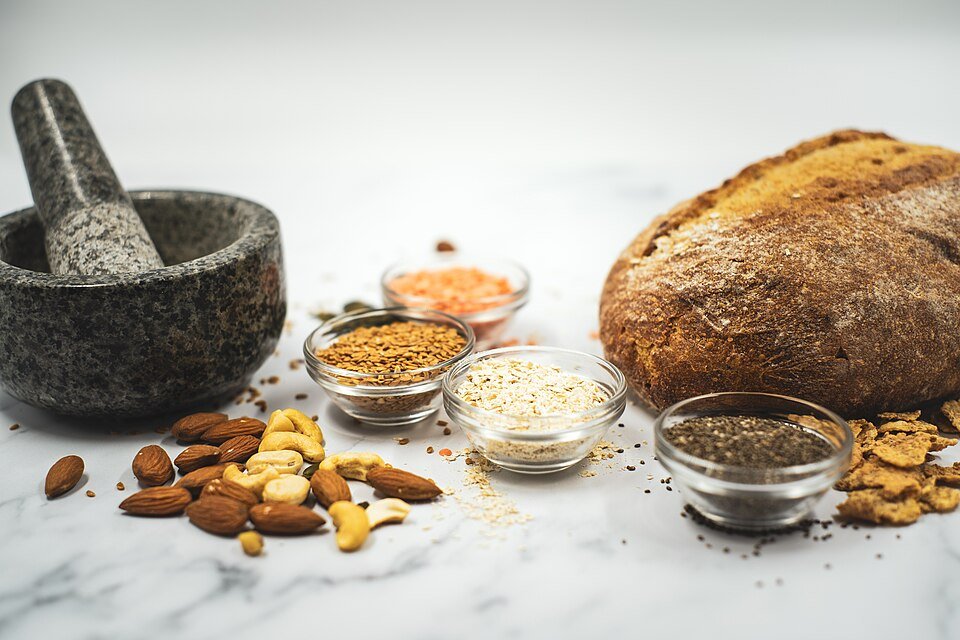
Chia seeds: When soaked, they form a gel that lubricates the intestines.
Oats: Rich in beta-glucan, which supports regular, soft stools.
Cooked vegetables: Cooking breaks down tough plant cell walls. Opt for carrots, zucchini, and green beans. These are much gentler than raw veggies.
Go Slow and Stay Hydrated
One of the biggest mistakes people make is a sudden fibre spike. If your current diet is low in fibre, jumping to high-fibre cereals or raw kale salads will almost certainly cause severe bloating and cramping.
How to increase fibre safely:
1. Gradual increase: Add one serving of soluble fibre (e.g., 1 tbsp of chia seeds or ½ cup of cooked carrots) every 3 days.
2. Hydration is mandatory: Fibre acts like a sponge. Without water, it clumps up and causes constipation. Drink at least 8 to 10 glasses of water daily when increasing fibre.
Pro tip: If you feel bloated 24 hours after increasing fibre, you likely increased too fast or didn’t drink enough water.
When Digestive Troubles Persist: Reduce Insoluble Fibre
For some people, especially those with IBS, gastroparesis, or post-infectious gut issues, insoluble fibre does more harm than good.
Signs you need to reduce insoluble fibre:
You feel full after just a few bites of salad.
You experience sharp gas pains after eating raw vegetables.
Your stool is loose but still difficult to pass.
Foods to temporarily reduce or avoid:
Raw salads (lettuce, spinach, kale)
Raw vegetables (broccoli, cauliflower, bell peppers)
Too many nuts and seeds (especially with hard shells)
Instead, switch to the cooked soluble fibre list above. You can often tolerate small amounts of nut butters (smooth) better than whole nuts.
If you want a regular bowel movement without the bloat follow this 7-day starter plan:
Breakfast: ½ cup rolled oats cooked with water or milk + 1 tbsp chia seeds (soaked).
Lunch: Cooked carrots and zucchini with a small portion of white rice or quinoa.
Dinner: Baked or steamed green beans with a lean protein.
Hydration: 2 liters of water throughout the day.
Avoid: Raw salads, high-fibre bars with inulin, and dry nuts.
While adjusting fibre types helps most people, chronic constipation or diarrhea lasting more than two weeks warrants medical investigation.
Fibre is essential for bowel movements—but only when you choose the right type. Prioritize soluble fibre (chia, oats, cooked veggies). Increase it slowly. Drink water.
Your gut needs the right kind of gentle lubrication.
Banh Xeo, often described as Vietnamese sizzling pancakes, holds significant cultural importance within Vietnamese cuisine. With its roots tracing back to the southern regions of Vietnam, this iconic dish brings together a harmonious blend of flavors and textures that are treasured by locals and visitors alike.
The name Banh Xeo translates to “sizzling cake,” aptly reflecting the sound it makes when the batter is poured into a hot pan.
This delightful dish is primarily made from rice flour, which is mixed with coconut milk and water to create a batter. Once poured into a heated skillet, the batter immediately begins to sizzle, resulting in a crispy outer layer that distinguishes this culinary creation.
The fillings usually consist of a variety of ingredients, including shrimp, pork, and bean sprouts, all of which contribute to the flavor and nutritional value of the meal.
As a popular street food, Banh Xeo is commonly enjoyed as a snack or a main dish in various eateries across Vietnam. Street vendors often serve it alongside an array of fresh herbs and vegetables, adding a refreshing crunch when wrapped in rice paper. This combination enhances the overall eating experience, showcasing the vibrant flavors characteristic of Vietnamese cuisine.
Learning to prepare Banh Xeo at home not only allows one to enjoy this crispy delicacy at their convenience but also provides an opportunity to engage with Vietnamese culinary traditions. By recreating this dish in your own kitchen, you can tailor the ingredients to suit personal preferences while honoring the recipe’s authentic roots, making it an exciting and fulfilling culinary endeavor.
Essential Ingredients for Banh Xeo
To successfully create crispy Banh Xeo, it is vital to gather the right ingredients. The primary component of this dish is rice flour, which serves as the base for the batter. Ideally, a combination of rice flour and tapioca flour is recommended, as this blend provides the perfect crispiness when cooked. Regular rice flour can work but using the appropriately mixed flour will yield superior texture.
Another crucial ingredient is turmeric powder. This not only adds a vibrant yellow hue to the batter but also imparts a subtle flavor that is quintessential in traditional Banh Xeo. The use of fresh turmeric can enhance the dish further, provided it is accessible.
Coconut milk is the third essential ingredient that contributes to the batter’s flavor and richness. It is preferable to find fresh coconut milk, but canned varieties also work well, ensuring a soft interior that complements the crispy exterior. Using coconut milk instead of water can significantly elevate the overall taste profile of the final dish.
In terms of fillings, Banh Xeo usually includes a mix of proteins and vegetables. Popular choices for proteins are pork (typically sliced or minced), shrimp, and sometimes beef, which can be sautéed with garlic for added flavor. Fresh bean sprouts are also a common inclusion, adding crunch and complementing the meat. Other vegetables like mushrooms and onions can be added according to personal preference.
For sourcing the ingredients, visiting Asian grocery stores is often beneficial, as they carry authentic rice flour and fresh coconut milk. If specific ingredients are hard to find, alternatives such as all-purpose flour can serve as substitutes for rice flour, although the texture may differ slightly. Overall, ensuring high-quality, authentic ingredients is key for achieving the desired crispy and flavorful outcome in your homemade Banh Xeo.
Step-by-Step Guide to Cooking Banh Xeo
To make crispy Vietnamese Banh Xeo at home, begin by preparing the batter. Combine 1 cup of rice flour, 1 cup of coconut milk, and a pinch of turmeric in a mixing bowl. Whisk these ingredients thoroughly until the mixture is smooth and well combined. Allow this batter to rest for 30 minutes; this aids in developing a crispier texture when cooked.
Next, focus on the fillings, which are integral to the authenticity of Banh Xeo. Common fillings include shrimp, pork, and bean sprouts. If you opt for shrimp, clean and devein them, leaving them whole for presentation. For pork, thinly slice or chop your choice of meat and marinate it with a little fish sauce, garlic, and pepper for enhanced flavor.
Once the batter has rested, it is time to start cooking.
Heat a non-stick skillet over medium-high heat and add a generous amount of oil, ensuring that it coats the surface evenly.
This oil is crucial for achieving that signature crispiness. Once the oil is hot, pour about a ladleful of batter into the pan, tilting it to ensure an even layer across the bottom.
Quickly add your prepared fillings onto one half of the batter before it sets. Cover the skillet with a lid and let it cook for approximately 5-7 minutes or until the edges turn golden brown and crispy.
It is essential to monitor the heat; too high will burn the batter while too low will result in a soggy texture. Once cooked, slide the Banh Xeo out of the pan and serve immediately, garnished with fresh herbs like mint and cilantro along with dipping sauce.
Following these steps will help you prepare authentic Banh Xeo with the cherished crispy texture and flavorful fillings that characterize this traditional Vietnamese dish.
Serving Suggestions and Tips for Crispy Banh Xeo
Banh Xeo, the Vietnamese sizzling pancakes, are not only delightful in taste but also in presentation and versatility. When serving Banh Xeo, it is traditional to accompany the dish with a vibrant assortment of fresh herbs and vegetables. Common accompaniments include lettuce leaves, fresh mint, basil, and cilantro, which can enhance the dish’s flavor profile and add a refreshing crunch.
Dipping sauces play an essential role in the Banh Xeo experience, with nuoc cham being the most popular choice.
This tangy sauce, typically made from fish sauce, lime juice, sugar, and garlic, complements the savory pancake beautifully. Additionally, some might enjoy a sesame or peanut sauce, which can add richness and depth to the overall taste.
To enjoy Banh Xeo authentically, take a piece of the pancake, wrap it in a lettuce leaf, and add a few herbs. This method not only enriches the flavor but also provides a satisfying textural contrast.
The fresh elements balance the crispy surface of the pancake, creating a delightful bite.
As with any cooking endeavor, achieving the perfect crispy Banh Xeo may come with its challenges. Should you find your pancakes soggy, it may be due to an excess of batter, insufficient heat during cooking, or moisture from fillings.
To remedy this, ensure you use a non-stick pan, heat sufficient oil, and allow the pancake to cook long enough for the edges to turn golden brown.
Avoid overloading with fillings, as this can impact the crispiness. For added flavor, consider experimenting with various fillings such as shrimp, pork, or mushrooms, tailoring the dish to fit your personal taste.
Peeling ginger can be tricky because of its knobby, irregular shape. While a vegetable peeler or a knife works, they often take off too much of the flesh along with the skin.
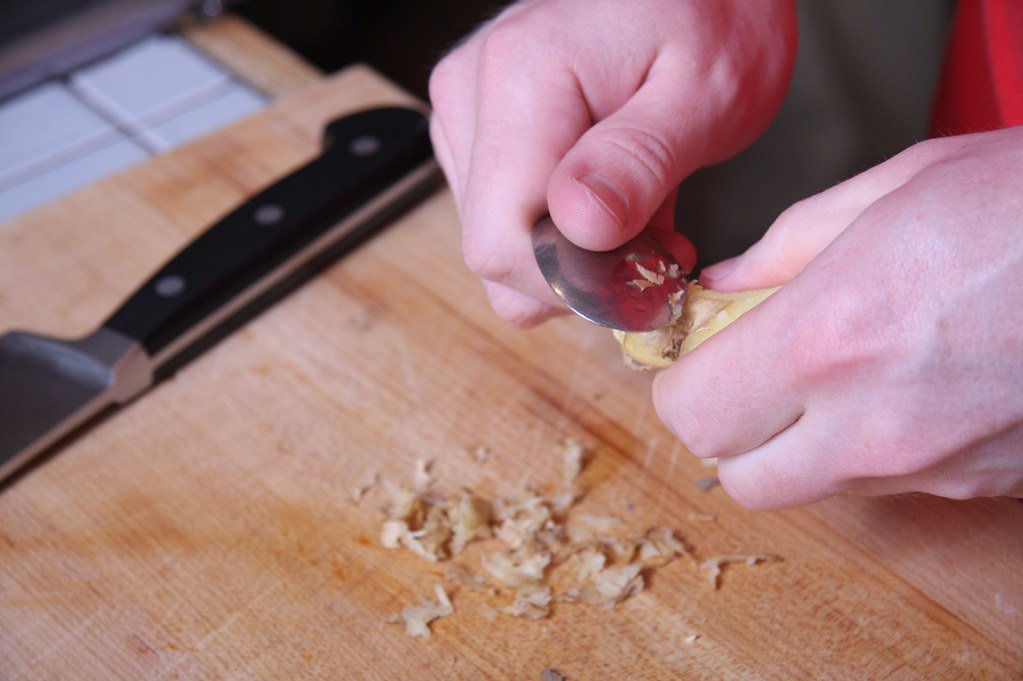
The most effective, “pro-chef” method is actually using a metal spoon.
The Spoon Method
This is the gold standard for ginger because the edge of a spoon is sharp enough to scrape away the thin skin but blunt enough to stop at the flesh, navigating around the bumps perfectly.
Break off a piece: If you have a large hand of ginger, break off a smaller “finger” to make it easier to handle.
Hold the spoon: Grip the bowl of a metal spoon firmly.
Scrape: Press the edge of the spoon against the ginger and scrape downward in firm, short strokes. The skin will peel right off.
Alternative Methods
If the spoon isn’t working for you (usually if the ginger is older and the skin has become very tough), try these:
The Paring Knife: Use a small knife to slice off the skin. To minimize waste, try to follow the contours of the ginger closely, or simply “square off” the ginger by cutting it into a rectangular block (though this wastes the most ginger).
The Vegetable Peeler: This works best on long, straight sections of ginger. It struggles with the “knuckles” or joints.
Pro Tips
Don’t peel at all: If the ginger is organic and the skin is very thin, you can often get away with just scrubbing it well and grating it skin-on. Most of the skin will naturally separate or disappear into the dish.
Freeze it: Ginger is much easier to peel and grate when frozen. You can keep the whole root in a freezer bag and just take it out whenever you need a bit for a recipe.
Slice against the grain: Ginger is fibrous. When you’re ready to cut it after peeling, look for the fibers (they run the length of the “finger”) and slice across them to avoid a stringy texture.
That is the ultimate “weekend project” question! If you’ve ever run out of the canned stuff halfway through making a batch of Vietnamese iced coffee or Thai tea, you’ve probably stared at a carton of milk and wondered if you could just… make it happen.
The short answer? Yes, but only for the “flavor flex.” Here’s the breakdown of whether you should grab a saucepan or just head to the store:
The “Why You Should” (The Pros)
Total Control over Sweetness: Store-bought condensed milk is aggressively sweet. When you make it yourself, you can dial back the sugar or even use alternatives like honey or maple syrup for a deeper, more complex flavor.
The Texture is Superior: Homemade versions tend to be silkier and have a slightly “toasted” milk flavor that tastes much more like real food and less like a shelf-stable syrup.
Dairy Alternatives: If you’re vegan or dairy-free, making your own coconut condensed milk is a total game-changer for tropical drinks. It’s significantly cheaper than the specialty cans.
The “Why You Shouldn’t” (The Cons)
The “Watch the Pot” Factor: It takes about 40–60 minutes of low-simmering and occasional stirring. If you turn your back for too long, it can scorch or boil over, which is a nightmare to clean.
Volume Shrinkage: You’ll start with 2 cups of milk and end up with about ½ cup of condensed milk. It feels a bit like a magic trick where your groceries disappear.
Consistency is Tricky: It’s hard to tell when it’s “done” because it thickens significantly as it cools. There’s a learning curve to getting that perfect pourable-yet-thick drizzle.
The Verdict
Stick to the can if: You’re making a huge batch of drinks for a party or just want a quick caffeine fix before work.
Make it yourself if: You’re hosting a nice brunch, experimenting with a new recipe (like that Vietnamese Salted Coffee we talked about), or if you’re a “from scratch” enthusiast who loves the smell of caramelizing milk on a rainy Sunday.
Pro-Tip for the Lazy Cook: If you want the homemade taste without the hour of stirring, you can whisk together 1 cup of instant dry milk, 2/3 cup sugar, and 1/3 cup boiling water. It’s a 2-minute “cheat code” that gets you 90% of the way there!
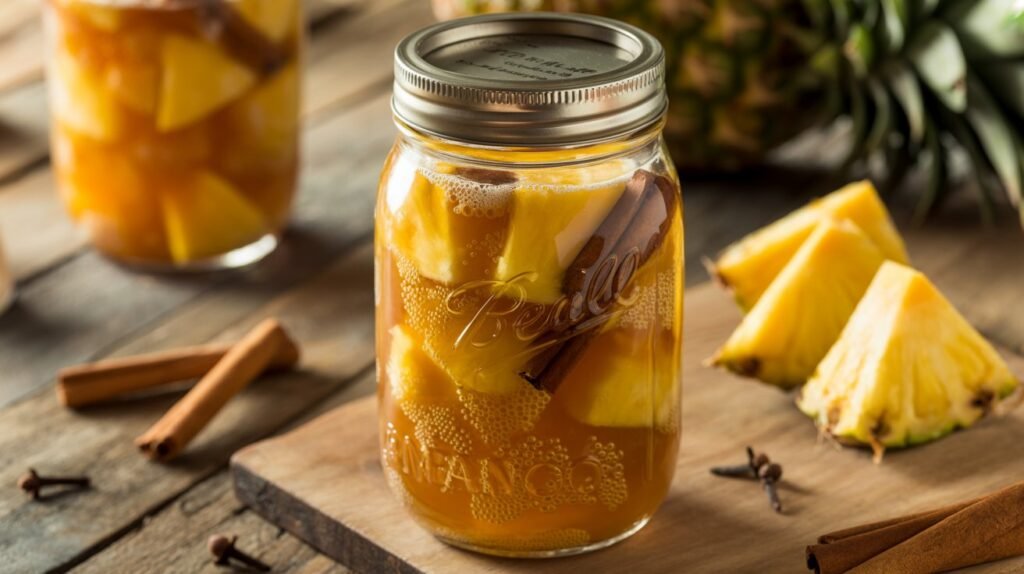
Tepache is a fermented Mexican beverage traditionally made from pineapple rinds, piloncillo (raw cane sugar), and spices.
Using a wide-mouth quart or half-gallon mason jar makes the process incredibly manageable for small batches.
The Ingredients
The Rinds: Skins from 1/2 of a large, ripe pineapple (scrubbed well).
The Sweetener:1/2 cup piloncillo, turbinado sugar, or brown sugar.
The Spices:1 cinnamon stick and 2–3 whole cloves.
The Liquid: Filtered water (enough to fill the jar).
Step-by-Step Jar Brewing
Prep the Jar: Dissolve the sugar in about 1 cup of warm water directly in your mason jar. Once dissolved, fill the jar halfway with cold filtered water to bring the temperature down.
Add Flavor: Drop in your pineapple rinds (cut into strips that fit easily), the cinnamon stick, and the cloves.
Top it Off: Add more water until the jar is nearly full, leaving about 1 inch of headspace at the top.
The Fermentation Cover: Do not screw the metal lid on tight, as the carbonation buildup could break the glass. Instead, cover the mouth with a piece of cheesecloth or a clean coffee filter secured with a rubber band. This allows the brew to breathe while keeping fruit flies out.
Wait: Place the jar in a warm, dark spot on your counter. Let it sit for 24 to 72 hours.
24 Hours: Light, sweet, and mild.
48–72 Hours: Deep, funky, and slightly effervescent.
Strain and Chill: Once you see little bubbles rising and a bit of white foam on top (this is good!), strain the liquid into a clean bottle or jar. Discard the solids and refrigerate immediately.
Important Tips
Submerge the Fruit: If any pineapple rinds float to the very top and stay exposed to air, they might develop mold. Use a “fermentation weight” or a smaller glass jar that fits inside the mouth to keep the rinds submerged.
The “White Foam”: If you see a thin white film or foam on top, don’t panic—it’s usually just “kahm yeast,” which is harmless. Just skim it off before straining.
Serving: Serve over plenty of ice. For a popular Mexican variation, mix it with a light lager for a “Tepache Chela.“
How adventurous are you feeling with the spice level—would you want to try adding a slice of habanero or some ginger to the next batch?
Often called Limonada Suíça, this drink is actually made with limes, not lemons. The secret to its signature creamy, frothy texture is the combination of whole limes and sweetened condensed milk.
The Ingredients
4 juicy limes (organic or well-scrubbed, as you use the skins)
4 cups cold water
1/2 cup sweetened condensed milk (adjust to your sweetness preference)
2 cups ice cubes
The 5-Minute Method
Prep the Limes: Wash the limes thoroughly. Cut off the ends (the “nubs”) and slice each lime into 8 wedges.
The Quick Pulse: Place the lime wedges and the 4 cups of water into a blender. Pulse only 5–8 times. > Tip: Do not over-blend! If you blend the limes into a puree, the drink will become incredibly bitter from the white pith. You just want to extract the juice and oils from the skin.
Strain: Pour the mixture through a fine-mesh strainer into a pitcher. Discard the pulp and skins.
Sweeten & Chill: Pour the strained lime water back into the blender. Add the sweetened condensed milk and the ice. Blend on high until the drink is frothy and the ice is mostly crushed.
Serve Immediately: This drink is best enjoyed the second it’s made. If it sits, the lime oils will eventually turn the drink bitter.
Quick Tips for Success
Remove the Pith: If you are sensitive to bitterness, slice the limes and cut out the white “core” or center string of the lime before blending.
“Dairy-Free” Swap: Use sweetened condensed coconut milk for a tropical, vegan-friendly version.
Consistency: For a thicker, slushie-like texture, add an extra cup of ice during the final blend.
Arepas are a traditional staple in Colombian cuisine, made primarily from ground maize dough. These versatile corn cakes can be filled, topped, or eaten plain, offering a multitude of culinary experiences. Arepas trace their origins back to the indigenous peoples of the region, specifically the Taino tribe, who cultivated maize and prepared a similar type of corn cake long before the arrival of European settlers. Over centuries, arepas have evolved into a beloved dish across Colombia, reflecting the rich cultural heritage and culinary diversity of the nation.
The cultural significance of arepas in Colombia cannot be overstated. They are more than just a food item; they symbolize community and tradition. In many Colombian households, making arepas is a family affair, often prepared during gatherings, celebrations, or as a comforting breakfast. They are commonly enjoyed at any time of the day, often served alongside various dishes or beverages, solidifying their role as a versatile food source.
In terms of variations, there are numerous types of arepas, each distinguished by region, preparation, and ingredients. For instance, the arepa de choclo is a sweet variant made with fresh corn, while the arepa paisa includes a filling of cheese or meat. Cheese arepas particularly stand out as a quick and delicious breakfast option. These arepas are often characterized by their cheesy, savory flavor, making them an appealing choice for those seeking a hearty yet effortless meal. Cheese arepas can be simply grilled or baked, allowing for an easy preparation that fits into even the busiest of mornings.
Ingredients for Cheese Arepas
To create authentic Colombian cheese arepas, it is essential to gather the right ingredients, especially focusing on quality cheese and corn flour. The primary ingredient for traditional arepas is arepa flour, specifically prepared from ground white or yellow corn. Look for brands labeled as “masarepa,” which is finely ground and specifically suited for making arepas. This flour ensures that the arepas achieve the perfect texture—crispy on the outside and tender on the inside.
When it comes to cheese, the choice can significantly influence the flavor profile of the dish. A popular option is queso fresco, a soft and crumbly cheese that adds a delightful creaminess. However, other cheese choices include mozzarella or a blend of aged cheeses for a richer taste. Some recipes call for añejo cheese, which offers a saltier and more robust flavor, perfect for those who enjoy a stronger cheese in their arepas.
Besides cheese and flour, you might consider adding optional ingredients to elevate the taste. A pinch of salt is generally recommended, depending on the saltiness of the cheese selected.
For those seeking a touch of heat, incorporating chopped jalapeños or a sprinkle of chili powder can enhance the flavor complexity. Ingredients such as chopped green onions or fresh cilantro can also add a delightful freshness to the arepas.
The essential ingredients for cheese arepas include arepa flour, quality cheese such as queso fresco or mozzarella, and additional seasonings or flavorings to tailor the recipe to personal taste.
By carefully selecting these components, you can ensure a delicious and satisfying breakfast dish.
Step-by-Step Instructions for Making Arepas
Making cheese arepas is a delightful and straightforward culinary experience that can yield delicious results. To begin, gather the essential ingredients: arepa flour (masa arepa), water, salt, and your choice of cheese. Understanding the process of preparing this dish will enhance your breakfast experience.
First, measure one cup of arepa flour and place it in a mixing bowl. Gradually add one cup of warm water and a pinch of salt. Stir the mixture with a spoon or your hands until the dough forms. It should be moist but not sticky. If the dough feels dry, you can add a bit more water, while too much water may require additional flour.
Once the dough has the right consistency, knead it gently for a couple of minutes to enhance its elasticity. Next, divide the dough into equal portions, typically around four or five pieces, depending on your desired size for the arepas. Roll each piece into a ball and then flatten it gently to form a disc about half an inch thick.
At this point, you can choose to fill your arepas with cheese. Create a small indentation in the center of each disc and add a generous amount of cheese—queso fresco or mozzarella are popular choices. Fold the outer edges over the cheese and press to seal, ensuring the filling remains enclosed.
Now it’s time to cook the arepas. You have a couple of options: pan-frying or grilling. For pan-frying, heat a tablespoon of oil in a non-stick skillet over medium heat.
Add the arepas and cook for about five minutes on each side until they are golden brown and crisp. Alternatively, you can grill them for a smoky flavor, cooking them on medium heat until browned.
Whether pan-fried or grilled, aim for a crispy exterior and a warm, gooey cheese center. Experiment with different fillings and toppings to customize your Colombian cheese arepas, making them an exciting addition to your quick breakfast repertoire.
Serving Suggestions and Variations
Cheese arepas, a staple of Colombian cuisine, can serve as a versatile and fulfilling breakfast item. Their delightful taste offers numerous possibilities for customization and enhancement, making them a beloved choice for many. When considering how to enhance your cheese arepas, a variety of toppings and fillings are available to suit different preferences.
One popular way to enjoy arepas is by topping them with avocado slices or a generous spread of guacamole, which adds both creaminess and healthy fats.
For those who enjoy a bit of spice, incorporating salsa or a drizzle of hot sauce can provide a delightful kick. A sprinkle of fresh herbs such as cilantro or chives can elevate the flavors while adding a pop of color to your dish.
Cheese arepas pair wonderfully with various sides. A traditional accompaniment is a serving of scrambled eggs or fried eggs on the side, creating a hearty breakfast plate.
For those who prefer something lighter, a fresh fruit salad or yogurt can serve as a refreshing counterpart, balancing the richness of the arepas.
In addition, pairing the dish with coffee, herbal tea, or fresh fruit juices can complete the breakfast experience, enhancing the overall meal enjoyment.
For those looking to explore alternative fillings, the options are plentiful. Some may prefer to substitute the cheese with ingredients like shredded chicken, pulled pork, or sautéed vegetables, catering to different dietary preferences.
Other variations include adding a layer of black beans or mushrooms for added texture and flavor. This versatility allows everyone to tailor their arepa to their liking, ensuring that each meal is unique and satisfying.
The Margarita isn’t just a cocktail—it’s a global icon, a perfect balance of sweet, sour, and spirit that has defined summer parties and festive gatherings for decades.
But with so many pre-made mixes and frozen versions out there, the true essence of this classic can get lost.
This guide will walk you through the only authentic margarita recipe you’ll ever need, focusing on technique and quality to create a cocktail that’s lightyears beyond anything from a bottle.
The Origin of the Margarita
Like many legendary cocktails, the Margarita’s origin is deliciously murky.
The most popular tale places its creation in the late 1930s or 1940s at a bar in Tijuana or Acapulco, crafted for a showgirl named Marjorie King (whose Spanish nickname was Margarita).
Others claim it evolved from the “Daisy” cocktail (Margarita means “daisy” in Spanish), a Prohibition-era drink that swapped brandy for tequila.
Regardless of its true birth, the Margarita cemented tequila’s place on the global stage, transforming it from a rustic spirit into a cornerstone of cocktail culture.
The Classic, Authentic Margarita Recipe
This is the holy trinity of recipes: the 2:1:1 ratio. It’s simple, elegant, and allows the quality of your ingredients to shine.
Prep Time: 5 minutes | Serves: 1
Ingredients:
2 oz (60 ml) 100% Agave Blanco Tequila
1 oz (30 ml) Fresh Lime Juice (approx. 1 large lime)
1 oz (30 ml) Quality Orange Liqueur (such as Cointreau or Triple Sec)
Optional: ¼ oz (7 ml) Agave Nectar or Simple Syrup (for a slightly sweeter version)
Kosher Salt or Flaky Sea Salt (for rimming)
Lime Wheel or Wedge (for garnish)
Equipment:
Cocktail Shaker
Hawthorne Strainer or Jigger
Fine Mesh Strainer (optional, for a smoother drink)
Margarita Glass, Coupe, or Rocks Glass
Step-by-Step Instructions:
Prepare the Glass: Run a lime wedge around half or the entire rim of your chilled glass. Dip the rim gently into a shallow plate of salt. Set aside.
Shake It Up: Fill your cocktail shaker with fresh ice. Add the tequila, fresh lime juice, and orange liqueur (and agave nectar if using). Secure the lid and shake vigorously for 12-15 seconds—until the shaker is frosty cold to the touch.
Strain and Serve: If desired, double-strain by holding a fine mesh strainer over your prepared glass and pouring the contents of the shaker through it. This catches small ice chips and pulp for a super-smooth texture. Otherwise, strain directly from the shaker into your glass.
Garnish: Add a fresh lime wheel or wedge to the rim. Serve immediately.
Delicious Margarita Variations to Try
Once you’ve mastered the classic, the world is your oyster (or should we say, your salted rim?).
1. The Spicy Jalapeño Margarita: Muddle 2-3 thin slices of fresh jalapeño in the shaker before adding the other ingredients. For less heat, remove the seeds and ribs. This adds a fantastic, tingling warmth that complements the lime beautifully.
2. The Cadillac Margarita: Upgrade your orange liqueur to a top-shelf option like Grand Marnier. You can either substitute it entirely or float a ½ oz layer on top of the finished drink for a rich, brandy-forward aroma with each sip.
Pro Tips for the Perfect Margarita
Tequila is Key: Always use 100% Agave Tequila. “Mixto” tequilas (51% agave) will give you a harsher, less refined drink. Blanco (silver) is traditional and provides a crisp, agave-forward flavor.
Citrus Freshness is Non-Negotiable: Bottled lime juice contains preservatives and lacks the bright, vibrant acidity of fresh fruit. Squeeze your limes just before mixing.
The Salt Rim Debate: A salt rim isn’t just decorative; it enhances the sweet and sour flavors. For a professional touch, use flaky sea salt and only rim half the glass, allowing the drinker to choose their preferred sip.
Shake vs. Blend: A shaken margarita on the rocks is the classic “purist” method. Reserve blending for when you’re adding fresh fruit (like strawberries or mango) for a slushy-style treat.
Conclusion: Why the Classic Margarita Endures
The beauty of an authentic margarita recipe lies in its perfect, balanced simplicity.
It’s not about overwhelming sweetness or novelty; it’s about celebrating three excellent ingredients in perfect harmony. It’s a cocktail that demands good technique and rewards you with unparalleled refreshment.
Whether you’re hosting a taco Tuesday or simply savoring a moment on the patio, a well-made Margarita is a little taste of sunshine in a glass.
Salt is an essential mineral that has played a pivotal role in human history, serving not only as a flavor enhancer but also as a vital component in food preservation and health.
Among the various types of salt, sea salt and table salt are the most commonly used varieties.
Understanding their differences, including their sources and forms, provides insight into their unique properties and applications in culinary practices.
Sea salt is harvested through the natural evaporation of seawater. This method involves collecting seawater in shallow pools and allowing the sun and wind to evaporate the water, leaving behind salt crystals.
The mineral composition of sea salt can vary significantly based on the geographic location of the harvest. Consequently, sea salt often retains trace minerals and elements, which can impart a distinctive flavor and texture.
Sea salt is typically available in larger grains compared to table salt, making it a popular choice for culinary uses such as finishing dishes.
In contrast, table salt is primarily mined from underground salt deposits created through ancient evaporated seas. The mining process, which involves crushing and refining, results in fine, uniform grains.
Table salt usually undergoes extensive purification and often has anti-caking agents added to prevent clumping.
Due to its fine texture, table salt easily dissolves in liquids, making it a staple for cooking and baking, where precise measurements are required.
Historically, both sea salt and table salt have served critical roles in food preservation, trade, and even as a form of currency. The use of salt has evolved over the centuries, adapting to changing culinary practices and health considerations. Today, both types of salt are integral to global cuisines, each bringing a unique profile to the dishes they season.
Salt Nutrition and Health Implications
When examining the nutritional profiles of sea salt and table salt, several important distinctions emerge, particularly in terms of mineral content and processing methods.
Sea salt is typically harvested through evaporating seawater, which allows it to retain trace minerals, such as magnesium, calcium, and potassium.
These minerals not only contribute to the flavor and color of sea salt but also have potential health benefits. In contrast, table salt undergoes extensive refining, resulting in a product that is predominantly sodium chloride.
This refining process strips away the natural minerals present in the salt, leaving a more uniform but less nutritionally diverse product.
Furthermore, many commercial table salts are often fortified with iodine, an essential nutrient that supports thyroid function. This fortification aims to prevent iodine deficiency, which can lead to various health issues.
On the other hand, not all sea salts contain iodine, making it crucial for consumers to consider their dietary habits and potential iodine intake when choosing between the two types of salt.
Another significant factor to consider is the sodium content in both sea salt and table salt. Despite the taste differences and mineral content, both types have comparable sodium levels.
Excessive sodium intake is linked to various health risks, including hypertension and cardiovascular diseases. Therefore, individuals should be mindful of their overall salt consumption, regardless of the type, to maintain a balanced diet and mitigate health risks.
In recent years, many have shifted towards using sea salt due to its perceived natural qualities, yet it is essential to recognize that moderation is paramount with any salt type to avoid the implications associated with high sodium intake.
Salt Flavor Profiles
In the realm of culinary applications, sea salt and table salt offer distinct flavor profiles and textural characteristics that can significantly influence the taste and presentation of dishes. Sea salt, harvested through the evaporation of seawater, typically possesses a coarser texture owing to its larger grain size.
This texture not only provides a satisfying crunch when used as a finishing salt but also allows for a more pronounced flavor release, as the crystals dissolve more slowly on the palate.
Sea salt often retains trace minerals from the seawater, such as magnesium and potassium, which can subtly enhance its flavor, imparting a slight brininess that works well in various savory dishes, salads, and seafood preparations.
Conversely, table salt is finely ground and often treated with additives such as anti-caking agents. This fine texture contributes to its uniformity, making it an ideal choice for baking, where even distribution of salt is crucial for achieving consistent results.
When used in cooking, table salt dissolves quickly, ensuring that flavors meld seamlessly throughout the dish. For many home cooks and professional chefs alike, the versatility of table salt makes it the go-to option for everyday seasoning, from soups and stews to sauces and marinades.
When considering which type of salt to use, it is essential to take the intended application into account. For recipes where texture and presentation matter, such as finishing grilled meats or garnishing vegetable dishes, sea salt is often preferred.
In contrast, for baking or dishes that require consistent mixing, table salt should be the primary choice. The distinction between these two salts ultimately lies in their unique qualities, making each suitable for particular culinary tasks and flavor enhancement.
Salt Harvesting
The production of salt, whether through sea salt harvesting or table salt mining, carries inherent environmental consequences that must be acknowledged.
Sea salt is typically derived from evaporating seawater, a process that can be more sustainable than mining for table salt, which usually involves extracting rock salt from the earth.
This latter method can lead to significant environmental disruptions, including habitat destruction, soil degradation, and groundwater pollution.
The ecological balance of the areas surrounding salt mines can be heavily affected by the extensive operations required to extract and process rock salt.
On the other hand, the methods involved in harvesting sea salt are often perceived as less intrusive. Traditional sea salt production can be conducted using low-impact methods, such as solar evaporation, which utilizes natural sunlight and wind to evaporate water from seawater.
This technique can be tailored to minimize harm to surrounding ecosystems. However, it is important to note that large-scale sea salt production can still lead to adverse effects such as coastal habitat loss and the alteration of local marine environments if not managed correctly.
Current trends in the salt industry emphasize the importance of sustainable practices and promoting environmental responsibility.
Many producers are now adopting strategies to reduce their carbon footprint and ensure the longevity of their resources.
The rise of consumer interest in sustainably sourced products has further motivated salt producers to implement better practices, including reduced water use and habitat restoration efforts.
Food eating competitions have gained significant popularity over the years, capturing the interest of both participants and spectators.
These events create a unique atmosphere of excitement and challenge, often attracting large crowds and intense media attention.
Food eating contests can take various forms, including timed challenges, where individuals race against the clock to consume a specified quantity of food, and themed events that celebrate specific cuisines or food items, such as pie-eating contests or chili cook-offs.
Each format demonstrates the thrill of competition while allowing participants to showcase their eating prowess.
One of the key elements that contribute to the appeal of food eating competitions is the sense of camaraderie and rivalry they foster.
Contestants often train rigorously, perfecting their techniques and building up their stomach capacity, which adds a layer of seriousness to the competition.
Paella competition
Spectators, meanwhile, revel in the drama and suspense as they watch contestants tackle challenging food items. Such events often become social gatherings, where friends and families come together to cheer on their favorite contestants while enjoying the festive atmosphere.
However, alongside the excitement of food eating competitions, health considerations and safety measures are crucial.
Organizers must prioritize the well-being of participants to prevent potential health risks associated with competitive eating, such as choking or excessive overconsumption.
It is essential to provide guidelines on portion sizes and promote a culture of responsible eating among contestants.
Accessibility of medical assistance should also be ensured during the event, enabling quick response in case of emergencies.
By combining thrilling competition with enforced safety protocols, organizers can create a memorable experience that captivates audiences while maintaining focus on participant health.
Food Eating Competition Themes
Food eating competitions provide an exhilarating and entertaining experience for participants and spectators alike. By incorporating innovative themes, organizers can elevate the excitement of these contests.
Seasonal themes can play a significant role in engaging participants; for instance, a ‘Summer BBQ Feast’ could feature classic barbecue dishes like ribs, corn on the cob, and pulled pork sandwiches.
This theme allows for a laid-back, outdoor setting, capturing the essence of summer festivities.
Another seasonal idea is the ‘Halloween Treat Challenge.’
In this theme, participants could indulge in a variety of traditional Halloween treats such as candy corn, pumpkin pie, and caramel apples.
The vibrant, spooky decorations will not only create a festive atmosphere but also serve to attract an audience excited about the seasonal theme. By hosting these events during notable seasons, organizers can tap into the excitement already present in the community.
Cultural food themes also present an enriching opportunity.
An ‘Around the World’ themed competition could feature an array of dishes inspired by global cuisine, from Italian pastas to Japanese sushi.
Pie eating contest
This not only exposes competitors to different flavorsbut also educates attendees about various cultures. Each round could focus on a different region, thereby broadening the culinary horizons of everyone involved.
For a more adventurous twist, consider incorporating challenges like the ‘Mystery Ingredients’ contest where participants are presented with unusual or unexpected items that they must incorporate into their dishes.
Alternatively, a ‘Spicy Food Showdown’ can test competitors’ limits, pushing them to tackle increasingly fiery dishes to heighten the stakes.
These creative themes aim to inspire organizers and participants alike, encouraging them to think beyond conventional formats. The result is a more engaging and memorable experience for all involved, making the food eating competition a highlight of any event.
Planning a Successful Food Eating Competition
Planning a successful food eating competition requires careful consideration of several key aspects to ensure a memorable experience for both participants and spectators.
To begin with, sourcing food items is paramount. Choose items that are not only appealing but also feasible for participants to consume within a set time frame.
Popular choices often include classics such as hot dogs, pie, or unique local delicacies. Ensuring that the food is safe for consumption and accommodating dietary restrictions will help broaden participant and audience engagement.
Next, establishing clear competition rules is crucial. Participants should be aware of the format, time limits, and any special conditions that may apply.
For example, if participants are expected to eat without the use of hands or must finish every bite, these rules must be communicated effectively beforehand. Additionally, it is advisable to have a team of judges who can fairly evaluate the competitors.
Establishing criteria for judging—such as speed, presentation, and creativity—will ensure a fair competition and minimize disputes.
Logistics also play a vital role in the smooth execution of the event.
Carefully consider the venue, ensuring ample seating, sufficient space for participants, and consideration of the audience.
Adequate supplies, including utensils and napkins, should be provided to create a seamless experience. Promoting the event through social media, local establishments, or community boards can significantly increase attendance and foster excitement around the competition.
Engaging the audience during the event—through live commentary, interactive voting, or audience participation—will enhance the overall experience. Such efforts contribute to cultivating a festive atmosphere, ensuring the food eating competition is an engaging and entertaining affair that participants and spectators will remember.
Food eating Competitions
Food eating competitions have become a major attraction at various events, from local fairs to international festivals. One of the standout competitions occurred at the annual Nathan’s Hot Dog Eating Contest on July 4th 2025, in Coney Island, New York.
This iconic event gained prominence due to its unique combination of gluttony and competitive spirit.
It not only showcased an impressive number of 76 hot dogs consumed by Joey Chestnut in just ten minutes but also caught the attention of mainstream media, providing substantial visibility for both the participants and the event itself.
Another notable example is the annual World Grilled Cheese Eating Championship held in Wisconsin.
This event emphasizes creativity in food selection, as participants consume a variety of grilled cheese sandwiches with unique fillings.
The success of this competition relies on its friendly yet intense atmosphere, drawing large crowds eager to witness the spectacle.
The record of 47 grilled cheese sandwiches consumed in ten minutes set not only a competitive benchmark but also reinvigorated community involvement through local sponsorships and charity donations from ticket sales.
Moreover, the Wing Bowl in Philadelphia features an exhilarating format where contestants devour as many chicken wings as possible in a designated time frame.
Wing Bowl Philadelphia
Wing Bowl has created a cult-like following, leading to record-breaking consumption rates and a high-energy environment that engages not only the participants but also a raucous audience.
The shared excitement and camaraderie surrounding these competitions contribute to community bonding, as families and friends gather to cheer on their favorite eaters.
Each of these competitions illustrates the diverse food selections and engaging formats that contribute to their popularity.
They highlight how successful food eating competitions can combine entertainment, skill, and community engagement, ultimately serving as fertile ground for inspiration for future events.
Smoothies have gained significant popularity as a nutritious and convenient option for individuals aiming to shed pounds while enjoying delicious meals.
This versatility makes them a favored choice on various weight loss diets.
One of the primary benefits of incorporating smoothies into a weight loss plan is their potential for nutrient density.
A well-prepared smoothie can pack a substantial amount of vitamins, minerals, and antioxidants, particularly when it includes a blend of fruits, vegetables, and healthy fats.
For example, leafy greens such as spinach or kale can be incorporated without significantly altering the flavor, offering numerous health benefits while promoting satiety.
Furthermore, fruits such as berries and bananas can provide natural sweetness, reducing the temptation to consume high-calorie desserts or snacks.
When crafted thoughtfully, they can supply essential nutrients while being lower in calories compared to traditional meals.
For those on a weight loss journey, this attribute allows for a reduction in caloric intake without sacrificing satisfaction. Many find that a well-balanced smoothie can curb hunger and provide lasting energy, setting a positive tone for the day ahead.
Additionally, blending ingredients into a smoothie can enhance the tasting experience, making nutritious foods more palatable.
Smoothie Nutrients
Macronutrients consist of proteins, fats, and carbohydrates, which all play significant roles in bodily functions.
Proteins are vital for muscle repair and growth, and they also contribute to satiety, helping individuals feel fuller for longer periods.
Incorporating protein-rich ingredients such as Greek yogurt, protein powder, or nuts into smoothies can enhance their weight loss potential.
Healthy fats are another crucial macronutrient, albeit often underestimated.
Sources of healthy fats, such as avocado or chia seeds, not only improve the texture of smoothies but also promote satiety.
These fats slow down digestion and keep hunger at bay, aiding in weight management. Meanwhile, carbohydrates should primarily come from fruits and vegetables, which provide essential energy without excessive calories.
Micronutrients, including vitamins and minerals, should not be overlooked in weight loss smoothies. They support various bodily functions, including metabolism and immune response.
Fresh fruits and leafy greens are excellent sources of these nutrients. Smoothies that incorporate varied colors of fruits and vegetables will likely provide a more comprehensive range of vitamins and minerals.
Furthermore, the role of fiber cannot be overstated. Fiber enhances digestive health and contributes to feelings of fullness.
It slows down the digestion and absorption of food, which helps in controlling cravings. Including fibrous ingredients such as oats, spinach, or flaxseeds in smoothies can significantly boost their weight loss efficacy.
Ensuring proper hydration is essential, as water not only supports metabolic processes but also assists in appetite regulation. A well-crafted smoothie can therefore be a powerful ally in a weight loss journey.
Top Ingredients for Weight Loss Smoothies
Incorporating the right ingredients into your weight loss smoothies can significantly enhance their nutritional value and effectiveness. Below is a comprehensive list of the best components to consider when concocting these delicious beverages.
Spinach is a nutrient-dense green leafy vegetable that adds volume to smoothies without a hefty calorie count.
It is high in fiber, aiding digestion and promoting a feeling of fullness, which is essential for weight loss. A cup of raw spinach contains only about 7 calories.
Kale is another powerful green. Rich in vitamins A, C, and K, kale is a low-calorie food that may provide a sense of satiety due to its fiber content.
This vigorous leafy vegetable contains roughly 33 calories per one-cup serving, making it an excellent addition to your smoothie recipes.
Berries, such as blueberries, strawberries, and raspberries, are excellent low-calorie fruit choices packed with antioxidants. A cup of mixed berries has about 70-85 calories, and their natural sweetness allows you to reduce added sugars while providing essential vitamins and minerals that support overall health.
Greek yogurt is a great source of protein, which is vital for maintaining muscle mass while losing weight. A 5-ounce serving typically contains around 100-150 calories. The probiotics in Greek yogurt also support gut health, which can aid in weight management.
Chia seeds are an ideal additive for weight loss smoothies, as they swell in water and create a feeling of fullness. Just one ounce has about 137 calories, along with healthy omega-3 fatty acids, fiber, and protein, making them a great nutritional boost.
Incorporating protein powder into your smoothies also serves as an effective strategy for weight management.
Depending on the type you choose, one scoop of protein powder can range from 100 to 200 calories, helping to sustain energy levels and muscle recovery post-exercise.
Lastly, adding a splash of coconut water can enhance flavor while supplying hydration and a modest amount of electrolytes with around 46 calories per cup.
Selecting the right ingredients for your weight loss smoothies not only enhances their taste but also supports your health and weight loss goals effectively.
This refreshing green detox smoothie is designed to boost your metabolism while delivering essential nutrients.
To prepare, combine 1 cup of spinach, 1 ripe banana, 1/2 cup of pineapple chunks, 1/2 an avocado, and 1 cup of unsweetened almond milk in a blender. Blend until smooth.
This rich concoction is full of vitamins and minerals, promoting healthy digestion and aiding in weight loss. The incorporation of spinach, a low-calorie leafy green, provides fiber and helps to keep you feeling full longer.
The healthy fats from avocado also contribute to satiety.
This berry blast smoothie is perfect for those who enjoy a sweet yet tangy flavor. For this recipe, blend 1 cup of mixed berries (blueberries, strawberries, and raspberries), 1 tablespoon of honey or agave syrup, and 1 cup of low-fat yogurt.
This delightful mix not only tastes good but is also packed with antioxidants, which can support your weight management journey.
Berries are low in calories but high in fiber, making them an excellent choice for reducing cravings and promoting overall health.
It is important to choose high-quality, nutrient-dense ingredients that can offer both flavor and satiety. Base ingredients like leafy greens, such as spinach or kale, are excellent choices since they are low in calories yet rich in essential vitamins and minerals.
Additionally, incorporating a source of protein, such as Greek yogurt, protein powder, or nut butter, can help keep you full longer and support muscle maintenance during weight loss.
When blending, start with liquids first, such as water, unsweetened almond milk, or coconut water. This can help your blender run more smoothly.
Next, add in your leafy greens followed by any fruits and other ingredients. Be cautious with fruit portions; while they provide fiber and vitamins, they also contain natural sugars, which can add calories. Ideally, half of your smoothie should consist of vegetables while the other half can encompass fruits.
Avoid adding high-calorie sweeteners, juices, or pre-packaged smoothies that may contain hidden sugars and preservatives.
Instead, experiment with different flavor enhancers like cinnamon, vanilla extract, or a dash of ginger, which can elevate taste without compromising the nutritional integrity of the drink.
One effective strategy is to use a mix of frozen fruits; they not only add texture but also help in achieving a creamy consistency without additional calories from ice cream or yogurt.
Customization is key when creating a weight loss smoothie. Each individual has their own dietary requirements and taste preferences; therefore, experimenting with various combinations can lead to discovering satisfying options that fit into your weight loss plan.
Keep track of the ingredients and their effects on your body to find the best combinations over time.
Common Mistakes to Avoid
When it comes to creating smoothies for weight loss, several common mistakes can hinder your progress.
One prevalent issue is adding an excessive amount of fruit.
While fruits are nutritious and provide essential vitamins and minerals, they also contain natural sugars that can contribute to increased calorie intake.
To create a balanced smoothie conducive to weight loss, aim to limit the fruit portion to a single serving, such as half a banana or one small apple.
This practice ensures that your smoothie remains low in sugar and calories while still providing sweetness and flavor.
Another pitfall is the use of high-calorie additives.
Ingredients like sweetened yogurt, flavored nut butters, or syrups can significantly increase the caloric content of your smoothie.
Instead, choose plain or unsweetened yogurt and opt for natural nut butters with no added sugars.
Also, consider using unsweetened almond milk or coconut water as a base for your smoothies, as these options tend to be lower in calories than regular fruit juices or dairy milk, making them a healthier choice.
Inattention to protein is another common mistake. Protein plays a crucial role in curbing hunger and aiding weight loss by promoting satiety.
Failing to include a good protein source in your smoothie can lead to increased cravings later in the day.
Incorporating options such as Greek yogurt, protein powder, or nut-based milks can enhance the protein content of your smoothie, making it a more satisfying meal or snack.
By being mindful of these common pitfalls, you can create delicious smoothies that effectively support your weight loss journey while enjoying a variety of flavors and nutrients.
Incorporating Smoothies into Your Diet
Integrating weight loss smoothies into your daily routine can offer a convenient and enjoyable way to enhance your nutritional intake while supporting your weight management goals.
One effective strategy is to allocate smoothies as meal replacements, snacks, or post-workout refreshments.
For those looking to replace traditional meals with smoothies, consider using them during breakfast or lunch.
A nutrient-dense smoothie can supply essential vitamins, minerals, and healthy fats, making it a wholesome alternative to heavier fare.
It is vital to ensure that the smoothie contains an adequate balance of proteins, healthy fats, and fibers to keep you satiated throughout the day.
As a snack option, smoothies can be a great way to curb hunger between meals. Depending on your activity level, consuming a smoothie that is lower in calories yet rich in fiber will help stave off cravings without derailing your dietary objectives.
Many individuals also find that smoothies, when consumed post-workout, can effectively replenish lost nutrients and assist in muscle recovery.
Combining protein powder with fruits and vegetables can create an ideal recovery blend, enhancing your workout’s effectiveness.
When incorporating smoothies into a balanced diet, variety is key. Experimenting with different ingredients can help maintain interest and provide a broader spectrum of nutrients.
Utilize seasonal fruits and vegetables to keep the flavors fresh and exciting, while also ensuring you are receiving the diverse nutrients your body requires.
However, it is essential to recognize that smoothies should not be viewed as a standalone solution for weight loss. Instead, they should be integrated into a comprehensive approach to health and wellness that includes balanced nutrition, regular exercise, and mindfulness practices.
By adopting such a holistic perspective, individuals can create a sustainable lifestyle that supports their weight loss journey while fostering overall well-being.
So, we encourage you to explore your own smoothie recipes and embrace the joy of creating delicious, nourishing drinks as part of your journey toward a healthier self.