Category: Food

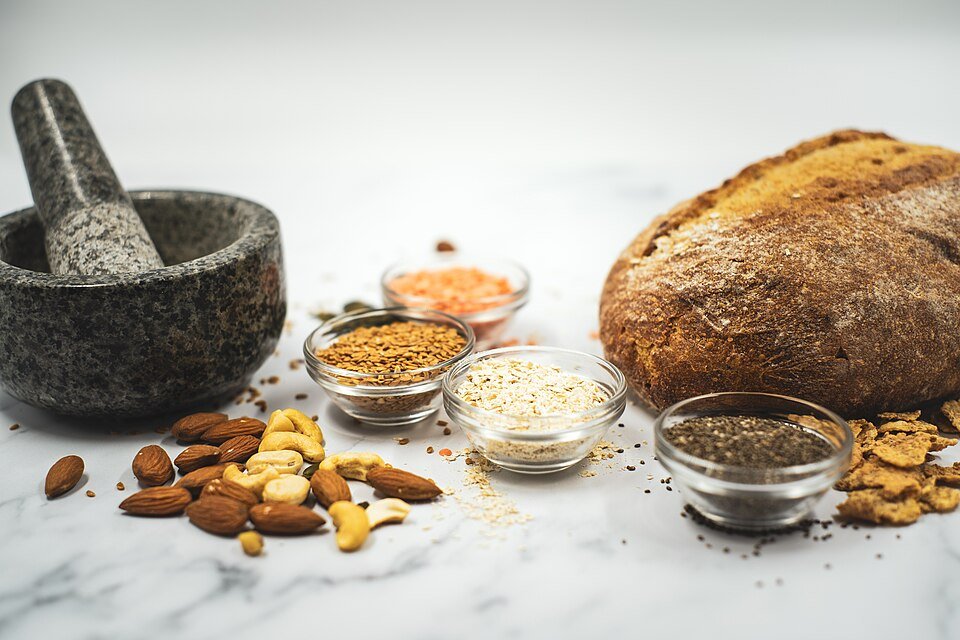
  • The Right Fibre for Better Bowel Movements

    The Right Fibre for Better Bowel Movements

    When it comes to digestive health, fibre is often hailed as the hero. But for many people, eating more fibre leads to a frustrating problem: bloating, gas, and even more irregularity.

    Why does this happen? The answer lies in the type of fibre you eat and how you introduce it. If you struggle with constipation but have a sensitive gut, you don’t need to cut out fibre, you just need to choose the right kind.

    Here is your evidence-based guide to using fibre for better bowel movements without the painful side effects.

    Soluble Fibre is Your Best Friend for Regularity

    Not all fibre is created equal. While insoluble fibre (roughage) adds bulk, soluble fibre absorbs water to form a gel-like paste. This softens the stool, making it easier to pass without irritating the gut lining.

    If you suffer from hard, dry stools or hemorrhoids, focus on  soluble fibre sources  first.

    Good sources of soluble fibre for bowel movements:

    • Chia seeds: When soaked, they form a gel that lubricates the intestines.
    • Oats: Rich in beta-glucan, which supports regular, soft stools.
    • Cooked vegetables: Cooking breaks down tough plant cell walls. Opt for carrots, zucchini, and green beans. These are much gentler than raw veggies.

     Go Slow and Stay Hydrated

    One of the biggest mistakes people make is a sudden fibre spike. If your current diet is low in fibre, jumping to high-fibre cereals or raw kale salads will almost certainly cause severe bloating and cramping.

    How to increase fibre safely:
    1. Gradual increase: Add one serving of soluble fibre (e.g., 1 tbsp of chia seeds or ½ cup of cooked carrots) every 3 days.
    2. Hydration is mandatory: Fibre acts like a sponge. Without water, it clumps up and causes constipation. Drink at least 8 to 10 glasses of water daily when increasing fibre.

    Pro tip: If you feel bloated 24 hours after increasing fibre, you likely increased too fast or didn’t drink enough water.

    When Digestive Troubles Persist: Reduce Insoluble Fibre

    For some people, especially those with IBS, gastroparesis, or post-infectious gut issues, insoluble fibre does more harm than good.

    Signs you need to reduce insoluble fibre:

    • You feel full after just a few bites of salad.
    • You experience sharp gas pains after eating raw vegetables.
    •  Your stool is loose but still difficult to pass.

    Foods to temporarily reduce or avoid:
    Raw salads (lettuce, spinach, kale)
    Raw vegetables (broccoli, cauliflower, bell peppers)
    Too many nuts and seeds (especially with hard shells)

    Instead, switch to the cooked soluble fibre list above. You can often tolerate small amounts of nut butters (smooth) better than whole nuts.

    If you want a regular bowel movement without the bloat follow this 7-day starter plan:

    • Breakfast: ½ cup rolled oats cooked with water or milk + 1 tbsp chia seeds (soaked).
    • Lunch: Cooked carrots and zucchini with a small portion of white rice or quinoa.
    • Dinner: Baked or steamed green beans with a lean protein.
    • Hydration: 2 liters of water throughout the day.
    • Avoid: Raw salads, high-fibre bars with inulin, and dry nuts.

    While adjusting fibre types helps most people, chronic constipation or diarrhea lasting more than two weeks warrants medical investigation.

    Fibre is essential for bowel movements—but only when you choose the right type. Prioritize soluble fibre (chia, oats, cooked veggies). Increase it slowly. Drink water.

    Your gut needs the right kind of gentle lubrication.


  • How to make crispy Vietnamese Banh Xeo at home

    How to make crispy Vietnamese Banh Xeo at home

    Banh Xeo, often described as Vietnamese sizzling pancakes, holds significant cultural importance within Vietnamese cuisine. With its roots tracing back to the southern regions of Vietnam, this iconic dish brings together a harmonious blend of flavors and textures that are treasured by locals and visitors alike.

    The name Banh Xeo translates to “sizzling cake,” aptly reflecting the sound it makes when the batter is poured into a hot pan.

    This delightful dish is primarily made from rice flour, which is mixed with coconut milk and water to create a batter. Once poured into a heated skillet, the batter immediately begins to sizzle, resulting in a crispy outer layer that distinguishes this culinary creation.

    The fillings usually consist of a variety of ingredients, including shrimp, pork, and bean sprouts, all of which contribute to the flavor and nutritional value of the meal.

    As a popular street food, Banh Xeo is commonly enjoyed as a snack or a main dish in various eateries across Vietnam. Street vendors often serve it alongside an array of fresh herbs and vegetables, adding a refreshing crunch when wrapped in rice paper. This combination enhances the overall eating experience, showcasing the vibrant flavors characteristic of Vietnamese cuisine.

    Learning to prepare Banh Xeo at home not only allows one to enjoy this crispy delicacy at their convenience but also provides an opportunity to engage with Vietnamese culinary traditions. By recreating this dish in your own kitchen, you can tailor the ingredients to suit personal preferences while honoring the recipe’s authentic roots, making it an exciting and fulfilling culinary endeavor.

    Essential Ingredients for Banh Xeo

    To successfully create crispy Banh Xeo, it is vital to gather the right ingredients. The primary component of this dish is rice flour, which serves as the base for the batter. Ideally, a combination of rice flour and tapioca flour is recommended, as this blend provides the perfect crispiness when cooked. Regular rice flour can work but using the appropriately mixed flour will yield superior texture.

    Another crucial ingredient is turmeric powder. This not only adds a vibrant yellow hue to the batter but also imparts a subtle flavor that is quintessential in traditional Banh Xeo. The use of fresh turmeric can enhance the dish further, provided it is accessible.

    Coconut milk is the third essential ingredient that contributes to the batter’s flavor and richness. It is preferable to find fresh coconut milk, but canned varieties also work well, ensuring a soft interior that complements the crispy exterior. Using coconut milk instead of water can significantly elevate the overall taste profile of the final dish.

    In terms of fillings, Banh Xeo usually includes a mix of proteins and vegetables. Popular choices for proteins are pork (typically sliced or minced), shrimp, and sometimes beef, which can be sautéed with garlic for added flavor. Fresh bean sprouts are also a common inclusion, adding crunch and complementing the meat. Other vegetables like mushrooms and onions can be added according to personal preference.

    For sourcing the ingredients, visiting Asian grocery stores is often beneficial, as they carry authentic rice flour and fresh coconut milk. If specific ingredients are hard to find, alternatives such as all-purpose flour can serve as substitutes for rice flour, although the texture may differ slightly. Overall, ensuring high-quality, authentic ingredients is key for achieving the desired crispy and flavorful outcome in your homemade Banh Xeo.

    Step-by-Step Guide to Cooking Banh Xeo

    To make crispy Vietnamese Banh Xeo at home, begin by preparing the batter. Combine 1 cup of rice flour, 1 cup of coconut milk, and a pinch of turmeric in a mixing bowl. Whisk these ingredients thoroughly until the mixture is smooth and well combined. Allow this batter to rest for 30 minutes; this aids in developing a crispier texture when cooked.

    Next, focus on the fillings, which are integral to the authenticity of Banh Xeo. Common fillings include shrimp, pork, and bean sprouts. If you opt for shrimp, clean and devein them, leaving them whole for presentation. For pork, thinly slice or chop your choice of meat and marinate it with a little fish sauce, garlic, and pepper for enhanced flavor.

    Once the batter has rested, it is time to start cooking.

    Heat a non-stick skillet over medium-high heat and add a generous amount of oil, ensuring that it coats the surface evenly.

    This oil is crucial for achieving that signature crispiness. Once the oil is hot, pour about a ladleful of batter into the pan, tilting it to ensure an even layer across the bottom.

    Quickly add your prepared fillings onto one half of the batter before it sets. Cover the skillet with a lid and let it cook for approximately 5-7 minutes or until the edges turn golden brown and crispy.

    It is essential to monitor the heat; too high will burn the batter while too low will result in a soggy texture. Once cooked, slide the Banh Xeo out of the pan and serve immediately, garnished with fresh herbs like mint and cilantro along with dipping sauce.

    Following these steps will help you prepare authentic Banh Xeo with the cherished crispy texture and flavorful fillings that characterize this traditional Vietnamese dish.

    Serving Suggestions and Tips for Crispy Banh Xeo

    Banh Xeo, the Vietnamese sizzling pancakes, are not only delightful in taste but also in presentation and versatility. When serving Banh Xeo, it is traditional to accompany the dish with a vibrant assortment of fresh herbs and vegetables. Common accompaniments include lettuce leaves, fresh mint, basil, and cilantro, which can enhance the dish’s flavor profile and add a refreshing crunch.

    Dipping sauces play an essential role in the Banh Xeo experience, with nuoc cham being the most popular choice.

    This tangy sauce, typically made from fish sauce, lime juice, sugar, and garlic, complements the savory pancake beautifully. Additionally, some might enjoy a sesame or peanut sauce, which can add richness and depth to the overall taste.

    To enjoy Banh Xeo authentically, take a piece of the pancake, wrap it in a lettuce leaf, and add a few herbs. This method not only enriches the flavor but also provides a satisfying textural contrast.

    The fresh elements balance the crispy surface of the pancake, creating a delightful bite.

    As with any cooking endeavor, achieving the perfect crispy Banh Xeo may come with its challenges. Should you find your pancakes soggy, it may be due to an excess of batter, insufficient heat during cooking, or moisture from fillings.

    To remedy this, ensure you use a non-stick pan, heat sufficient oil, and allow the pancake to cook long enough for the edges to turn golden brown.

    Avoid overloading with fillings, as this can impact the crispiness. For added flavor, consider experimenting with various fillings such as shrimp, pork, or mushrooms, tailoring the dish to fit your personal taste.


  • Ginger peeling tips you can use at home

    Ginger peeling tips you can use at home

    Peeling ginger can be tricky because of its knobby, irregular shape. While a vegetable peeler or a knife works, they often take off too much of the flesh along with the skin.

    The most effective, “pro-chef” method is actually using a metal spoon.

    The Spoon Method

    This is the gold standard for ginger because the edge of a spoon is sharp enough to scrape away the thin skin but blunt enough to stop at the flesh, navigating around the bumps perfectly.

     Break off a piece: If you have a large hand of ginger, break off a smaller “finger” to make it easier to handle.

     Hold the spoon: Grip the bowl of a metal spoon firmly.

     Scrape: Press the edge of the spoon against the ginger and scrape downward in firm, short strokes. The skin will peel right off.

    Alternative Methods

    If the spoon isn’t working for you (usually if the ginger is older and the skin has become very tough), try these:

    The Paring Knife: Use a small knife to slice off the skin. To minimize waste, try to follow the contours of the ginger closely, or simply “square off” the ginger by cutting it into a rectangular block (though this wastes the most ginger).

    • The Vegetable Peeler: This works best on long, straight sections of ginger. It struggles with the “knuckles” or joints.

    Pro Tips

    • Don’t peel at all: If the ginger is organic and the skin is very thin, you can often get away with just scrubbing it well and grating it skin-on. Most of the skin will naturally separate or disappear into the dish.

    • Freeze it: Ginger is much easier to peel and grate when frozen. You can keep the whole root in a freezer bag and just take it out whenever you need a bit for a recipe.

    • Slice against the grain: Ginger is fibrous. When you’re ready to cut it after peeling, look for the fibers (they run the length of the “finger”) and slice across them to avoid a stringy texture.

  • Easy Colombian Cheese Arepas for Quick Breakfast

    Easy Colombian Cheese Arepas for Quick Breakfast

    Introduction to Arepas

    Arepas are a traditional staple in Colombian cuisine, made primarily from ground maize dough. These versatile corn cakes can be filled, topped, or eaten plain, offering a multitude of culinary experiences. Arepas trace their origins back to the indigenous peoples of the region, specifically the Taino tribe, who cultivated maize and prepared a similar type of corn cake long before the arrival of European settlers. Over centuries, arepas have evolved into a beloved dish across Colombia, reflecting the rich cultural heritage and culinary diversity of the nation.

    The cultural significance of arepas in Colombia cannot be overstated. They are more than just a food item; they symbolize community and tradition. In many Colombian households, making arepas is a family affair, often prepared during gatherings, celebrations, or as a comforting breakfast. They are commonly enjoyed at any time of the day, often served alongside various dishes or beverages, solidifying their role as a versatile food source.

    In terms of variations, there are numerous types of arepas, each distinguished by region, preparation, and ingredients. For instance, the arepa de choclo is a sweet variant made with fresh corn, while the arepa paisa includes a filling of cheese or meat. Cheese arepas particularly stand out as a quick and delicious breakfast option. These arepas are often characterized by their cheesy, savory flavor, making them an appealing choice for those seeking a hearty yet effortless meal. Cheese arepas can be simply grilled or baked, allowing for an easy preparation that fits into even the busiest of mornings.

    Ingredients for Cheese Arepas

    To create authentic Colombian cheese arepas, it is essential to gather the right ingredients, especially focusing on quality cheese and corn flour. The primary ingredient for traditional arepas is arepa flour, specifically prepared from ground white or yellow corn. Look for brands labeled as “masarepa,” which is finely ground and specifically suited for making arepas. This flour ensures that the arepas achieve the perfect texture—crispy on the outside and tender on the inside.

    When it comes to cheese, the choice can significantly influence the flavor profile of the dish. A popular option is queso fresco, a soft and crumbly cheese that adds a delightful creaminess. However, other cheese choices include mozzarella or a blend of aged cheeses for a richer taste. Some recipes call for añejo cheese, which offers a saltier and more robust flavor, perfect for those who enjoy a stronger cheese in their arepas.

    Besides cheese and flour, you might consider adding optional ingredients to elevate the taste. A pinch of salt is generally recommended, depending on the saltiness of the cheese selected.

    For those seeking a touch of heat, incorporating chopped jalapeños or a sprinkle of chili powder can enhance the flavor complexity. Ingredients such as chopped green onions or fresh cilantro can also add a delightful freshness to the arepas.

    The essential ingredients for cheese arepas include arepa flour, quality cheese such as queso fresco or mozzarella, and additional seasonings or flavorings to tailor the recipe to personal taste.

    By carefully selecting these components, you can ensure a delicious and satisfying breakfast dish.

    Step-by-Step Instructions for Making Arepas

    Making cheese arepas is a delightful and straightforward culinary experience that can yield delicious results. To begin, gather the essential ingredients: arepa flour (masa arepa), water, salt, and your choice of cheese. Understanding the process of preparing this dish will enhance your breakfast experience.

    First, measure one cup of arepa flour and place it in a mixing bowl. Gradually add one cup of warm water and a pinch of salt. Stir the mixture with a spoon or your hands until the dough forms. It should be moist but not sticky. If the dough feels dry, you can add a bit more water, while too much water may require additional flour.

    Once the dough has the right consistency, knead it gently for a couple of minutes to enhance its elasticity. Next, divide the dough into equal portions, typically around four or five pieces, depending on your desired size for the arepas. Roll each piece into a ball and then flatten it gently to form a disc about half an inch thick.

    At this point, you can choose to fill your arepas with cheese. Create a small indentation in the center of each disc and add a generous amount of cheese—queso fresco or mozzarella are popular choices. Fold the outer edges over the cheese and press to seal, ensuring the filling remains enclosed.

    Now it’s time to cook the arepas. You have a couple of options: pan-frying or grilling. For pan-frying, heat a tablespoon of oil in a non-stick skillet over medium heat.

    Add the arepas and cook for about five minutes on each side until they are golden brown and crisp. Alternatively, you can grill them for a smoky flavor, cooking them on medium heat until browned.

    Whether pan-fried or grilled, aim for a crispy exterior and a warm, gooey cheese center. Experiment with different fillings and toppings to customize your Colombian cheese arepas, making them an exciting addition to your quick breakfast repertoire.

    Serving Suggestions and Variations

    Cheese arepas, a staple of Colombian cuisine, can serve as a versatile and fulfilling breakfast item. Their delightful taste offers numerous possibilities for customization and enhancement, making them a beloved choice for many. When considering how to enhance your cheese arepas, a variety of toppings and fillings are available to suit different preferences.

    One popular way to enjoy arepas is by topping them with avocado slices or a generous spread of guacamole, which adds both creaminess and healthy fats.

    For those who enjoy a bit of spice, incorporating salsa or a drizzle of hot sauce can provide a delightful kick. A sprinkle of fresh herbs such as cilantro or chives can elevate the flavors while adding a pop of color to your dish.

    Cheese arepas pair wonderfully with various sides. A traditional accompaniment is a serving of scrambled eggs or fried eggs on the side, creating a hearty breakfast plate.

    For those who prefer something lighter, a fresh fruit salad or yogurt can serve as a refreshing counterpart, balancing the richness of the arepas.

    In addition, pairing the dish with coffee, herbal tea, or fresh fruit juices can complete the breakfast experience, enhancing the overall meal enjoyment.

    For those looking to explore alternative fillings, the options are plentiful. Some may prefer to substitute the cheese with ingredients like shredded chicken, pulled pork, or sautéed vegetables, catering to different dietary preferences.

    Other variations include adding a layer of black beans or mushrooms for added texture and flavor. This versatility allows everyone to tailor their arepa to their liking, ensuring that each meal is unique and satisfying.

  • The Differences Between Sea Salt and Table Salt

    The Differences Between Sea Salt and Table Salt

    Salt is an essential mineral that has played a pivotal role in human history, serving not only as a flavor enhancer but also as a vital component in food preservation and health.

    Among the various types of salt, sea salt and table salt are the most commonly used varieties.

    Understanding their differences, including their sources and forms, provides insight into their unique properties and applications in culinary practices.

    Sea salt is harvested through the natural evaporation of seawater. This method involves collecting seawater in shallow pools and allowing the sun and wind to evaporate the water, leaving behind salt crystals.

    The mineral composition of sea salt can vary significantly based on the geographic location of the harvest. Consequently, sea salt often retains trace minerals and elements, which can impart a distinctive flavor and texture.

    Sea salt is typically available in larger grains compared to table salt, making it a popular choice for culinary uses such as finishing dishes.

    In contrast, table salt is primarily mined from underground salt deposits created through ancient evaporated seas. The mining process, which involves crushing and refining, results in fine, uniform grains.

    Table salt usually undergoes extensive purification and often has anti-caking agents added to prevent clumping.

    Due to its fine texture, table salt easily dissolves in liquids, making it a staple for cooking and baking, where precise measurements are required.

    Historically, both sea salt and table salt have served critical roles in food preservation, trade, and even as a form of currency. The use of salt has evolved over the centuries, adapting to changing culinary practices and health considerations. Today, both types of salt are integral to global cuisines, each bringing a unique profile to the dishes they season.

    Salt Nutrition and Health Implications

    When examining the nutritional profiles of sea salt and table salt, several important distinctions emerge, particularly in terms of mineral content and processing methods.

    Sea salt is typically harvested through evaporating seawater, which allows it to retain trace minerals, such as magnesium, calcium, and potassium.

    These minerals not only contribute to the flavor and color of sea salt but also have potential health benefits. In contrast, table salt undergoes extensive refining, resulting in a product that is predominantly sodium chloride.

    This refining process strips away the natural minerals present in the salt, leaving a more uniform but less nutritionally diverse product.

    Furthermore, many commercial table salts are often fortified with iodine, an essential nutrient that supports thyroid function. This fortification aims to prevent iodine deficiency, which can lead to various health issues.

    On the other hand, not all sea salts contain iodine, making it crucial for consumers to consider their dietary habits and potential iodine intake when choosing between the two types of salt.

    Another significant factor to consider is the sodium content in both sea salt and table salt. Despite the taste differences and mineral content, both types have comparable sodium levels.

    Excessive sodium intake is linked to various health risks, including hypertension and cardiovascular diseases. Therefore, individuals should be mindful of their overall salt consumption, regardless of the type, to maintain a balanced diet and mitigate health risks.

    In recent years, many have shifted towards using sea salt due to its perceived natural qualities, yet it is essential to recognize that moderation is paramount with any salt type to avoid the implications associated with high sodium intake.

    Salt Flavor Profiles

    In the realm of culinary applications, sea salt and table salt offer distinct flavor profiles and textural characteristics that can significantly influence the taste and presentation of dishes. Sea salt, harvested through the evaporation of seawater, typically possesses a coarser texture owing to its larger grain size.

    This texture not only provides a satisfying crunch when used as a finishing salt but also allows for a more pronounced flavor release, as the crystals dissolve more slowly on the palate.

    Sea salt often retains trace minerals from the seawater, such as magnesium and potassium, which can subtly enhance its flavor, imparting a slight brininess that works well in various savory dishes, salads, and seafood preparations.

    Conversely, table salt is finely ground and often treated with additives such as anti-caking agents. This fine texture contributes to its uniformity, making it an ideal choice for baking, where even distribution of salt is crucial for achieving consistent results.

    When used in cooking, table salt dissolves quickly, ensuring that flavors meld seamlessly throughout the dish. For many home cooks and professional chefs alike, the versatility of table salt makes it the go-to option for everyday seasoning, from soups and stews to sauces and marinades.

    When considering which type of salt to use, it is essential to take the intended application into account. For recipes where texture and presentation matter, such as finishing grilled meats or garnishing vegetable dishes, sea salt is often preferred.

    In contrast, for baking or dishes that require consistent mixing, table salt should be the primary choice. The distinction between these two salts ultimately lies in their unique qualities, making each suitable for particular culinary tasks and flavor enhancement.


    Salt Harvesting

    The production of salt, whether through sea salt harvesting or table salt mining, carries inherent environmental consequences that must be acknowledged.

    Sea salt is typically derived from evaporating seawater, a process that can be more sustainable than mining for table salt, which usually involves extracting rock salt from the earth.

    This latter method can lead to significant environmental disruptions, including habitat destruction, soil degradation, and groundwater pollution.

    The ecological balance of the areas surrounding salt mines can be heavily affected by the extensive operations required to extract and process rock salt.

    On the other hand, the methods involved in harvesting sea salt are often perceived as less intrusive. Traditional sea salt production can be conducted using low-impact methods, such as solar evaporation, which utilizes natural sunlight and wind to evaporate water from seawater.

    This technique can be tailored to minimize harm to surrounding ecosystems. However, it is important to note that large-scale sea salt production can still lead to adverse effects such as coastal habitat loss and the alteration of local marine environments if not managed correctly.

    Current trends in the salt industry emphasize the importance of sustainable practices and promoting environmental responsibility.

    Many producers are now adopting strategies to reduce their carbon footprint and ensure the longevity of their resources.

    The rise of consumer interest in sustainably sourced products has further motivated salt producers to implement better practices, including reduced water use and habitat restoration efforts.


  • How to Make the Best Homemade Chicken Shawarma

    How to Make the Best Homemade Chicken Shawarma

    The secret to great Shawarma lies in three key elements:

    1. The Marinade: A well-spiced marinade is essential for infusing the meat with flavor and keeping it juicy.
    2. The Cooking Method: Traditionally, shawarma is cooked on a vertical rotisserie, but you can achieve similar results at home using a grill, oven, or stovetop.
    3. The Accompaniments: Fresh vegetables, pickles, and a tangy sauce elevate the dish to perfection.

    Recipe: Homemade Chicken Shawarma

    For the Marinade:

    1 lb (450g) boneless, skinless chicken thighs (or beef/lamb)
    1/4 cup olive oil
    3 cloves garlic, minced
    1 tbsp lemon juice
    1 tbsp white vinegar
    1 tsp paprika
    1 tsp ground cumin
    1 tsp ground coriander
    1/2 tsp turmeric
    1/2 tsp cinnamon
    1/2 tsp cayenne pepper (optional, for heat)
    1 tsp salt
    1/2 tsp black pepper

    For the Shawarma Wrap:

    Pita bread in Bethlehem, Palestine in 20184 flatbreads or pita bread
    1 cup shredded lettuce
    1 cup diced tomatoes
    1/2 cup sliced cucumbers
    1/4 cup pickles (optional)
    1/4 cup tahini sauce or garlic yogurt sauce (see recipe below)

    For the Garlic Yogurt Sauce:A bowl of cacık

    1/2 cup plain yogurt
    2 cloves garlic, minced
    1 tbsp lemon juice
    1 tbsp tahini (optional)
    Salt to taste

    Let’s cook

    1. Marinate the Chicken:

    In a large bowl, combine olive oil, garlic, lemon juice, vinegar, and all the spices. Mix well.
    Add the chicken thighs to the marinade, ensuring they are fully coated.

    Cover and refrigerate for at least 2 hours (or overnight for maximum flavor).

    2. Cook the Chicken:

    Heat a grill, skillet, or oven to medium-high heat. If using an oven, preheat to 400°F (200°C).
    Cook the chicken for 5-7 minutes per side on a grill or skillet, or bake for 20-25 minutes in the oven, until fully cooked and slightly charred.
    Let the chicken rest for 5 minutes, then slice it into thin strips.

    3. Prepare the Shawarma Sauce

    Mix yogurt, minced garlic, lemon juice, tahini (if using), and salt. Adjust seasoning to taste.

    4. Assemble the Shawarma:

    Bucharest Shawarma (cropped)
    Warm the flatbreads in a skillet or microwave.

    Spread a generous spoonful of garlic yogurt sauce on each flatbread.

    Layer with sliced chicken, lettuce, tomatoes, cucumbers, and pickles.

    Roll the flatbread tightly, tucking in the sides as you go.

    Serve your shawarma wraps immediately, with extra sauce on the side for dipping. Pair with fries or a fresh salad for a complete meal.

    Tips for the Best Shawarma

    • Use High-Quality Meat: Chicken thighs are ideal for their juiciness, but you can also use beef or lamb for a richer flavor.
    • Please don’t skip the marinade time. The longer the meat marinates, the more flavorful it will be.
    • Toast the Flatbread: Warming the bread makes it more pliable and enhances its flavor.
    • Customize Your Toppings: Add hummus, pickled turnips, or hot sauce for a personal touch.

    Making the best shawarma at home is all about layering flavors and textures.

    You can recreate this Middle Eastern classic in your kitchen with a well-spiced marinade, perfectly cooked meat, and fresh accompaniments. Whether you’re cooking for yourself or hosting a dinner party, this shawarma recipe will surely impress.

  • How food affects your mood

    How food affects your mood

    Your food affects your mental health and can empower you to make healthier choices that support your wellbeing.

    The food we consume plays a crucial role in our mental and emotional stability, from influencing mood swings to aiding in stress management.

    The relationship between food and mood is complex.

    Certain foods, like those rich in omega-3 fatty acids found in nuts, seeds, and oily fish, are essential for brain function and can help alleviate symptoms of depression and anxiety.

    On the other hand, excessive caffeine intake from coffee or energy drinks can exacerbate feelings of anxiety and disrupt sleep patterns.

    Managing Blood Sugar Levels

    Stable blood sugar levels are crucial for maintaining energy and mood stability throughout the day.

    Brown rice (whole grain rice)
    Brown rice (whole grain rice)

    Opting for whole grains, nuts, and seeds over refined carbohydrates like white bread and pasta can help regulate blood sugar levels, preventing energy crashes that may impact your mental state.

    Recommended foods you can eat are wholegrain bread, brown rice, nuts, and seeds.  Avoid white bread, crisps, white pasta, and white rice

    The Role of Hydration

    Dehydration can impair cognitive function and worsen mood.

    While staying hydrated is important, be mindful of caffeinated and sugary drinks that can affect your hydration levels and mood.

    Water, herbal teas, and juices (in moderation) are recommended.

    Food types for better mood

    Proteins are essential for the production of neurotransmitters that regulate mood and emotions. Including sources like lean meats, fish, eggs, and plant-based proteins in your diet can support mental clarity and emotional stability.

    Healthy fats, such as omega-3 and omega-6 fatty acids are vital for brain health. Incorporating sources like avocados, nuts, and oily fish can help enhance cognitive function and mood regulation.

    Sardines
    Sardines

    A healthy gut contributes to overall well-being, as gut health can impact mood and vice versa.

    Foods rich in probiotics, such as yogurt and fermented foods like kimchi, can promote a healthy gut microbiome, potentially improving mood and reducing symptoms of anxiety or depression.

    Excessive alcohol consumption can disrupt brain chemistry and worsen symptoms of mental health conditions.

    Cabbage in brine probiotic
    Cabbage in brine probiotic

    It’s important to moderate alcohol intake and seek support if alcohol is being used to cope with emotional challenges.

     Practical Tips

    When struggling with mental health, maintaining a balanced diet may feel overwhelming.

    Planning ahead, choosing convenient and nutritious options, and accepting support from others can ease the burden of meal preparation during difficult times.

    Plan your meals, stock up on staple ingredients, and use meal delivery services

    Certain foods can also interact with medications, affecting their effectiveness or causing side effects.

    It’s crucial to consult healthcare professionals about dietary restrictions or modifications when taking medication for mental health.


  • Bitter Kola benefits and recipes

    Bitter Kola benefits and recipes

    Bitter kola, also known as Garcinia kola, is a tropical fruit native to West Africa used for centuries in traditional medicine.

    This small, brown nut is renowned for its bitter taste and numerous health benefits. Bitter kola has gained popularity worldwide as a natural remedy for various ailments in recent years.

    It is packed with nutrients and bioactive compounds contributing to its health-promoting properties. Some of the key benefits include:

    • Antioxidant properties
    • Anti-inflammatory effects
    • Immune system boost
    • Improved respiratory function
    • Potential antimicrobial propertiesUses of Bitter Kola

    Bitter kola is utilized in various ways:

    • It is chewed raw as a medicinal remedy for cough and used as a snack for some.
    • Ground into powder and added to beverages
    • Used in traditional ceremonies and rituals
    • Incorporated into herbal remedies

    Bitter Kola and Kidney Health

    While some traditional practices suggest bitter kola may benefit kidney function, scientific evidence is limited.

    It’s essential to consult with a healthcare professional before using bitter kola for kidney-related issues.

    Research on bitter kola’s effects on liver and kidney health is ongoing. Some studies suggest potential protective effects, but more research is needed to draw definitive conclusions.

    As with any supplement, using bitter kola in moderation and under medical supervision is crucial.Bitter kola

    Caffeine Content in Bitter Kola

    Bitter kola does not contain caffeine. However, it does contain other stimulant compounds that may produce effects similar to caffeine, such as increased alertness and energy.

    Bitter Kola recipes

    While bitter kola is often consumed on its own, there are some ways to incorporate it into recipes. Here are a few ideas:

    1. Bitter Kola Tea:

    Crush 1-2 bitter kola nuts
    Steep in hot water for 5-10 minutes
    Strain and add honey or lemon to taste

    2. Bitter Kola Infused Water:

    Slice 1 bitter kola nut thinly
    Add to a pitcher of water with sliced lemon and mint leaves
    Refrigerate for a few hours before drinking

    3. Bitter Kola Smoothie:

    Blend 1/2 bitter kola nut with fruits like pineapple, mango, and banana
    Add coconut water or yogurt for consistency

    4. Bitter Kola Spice Mix:

    Grind dried bitter kola nuts into a powder
    Mix with other spices like ginger and cayenne
    Use as a seasoning for meats or vegetables

    5. Bitter Kola Salad Dressing:

    Blend 1/4 bitter kola nut with olive oil, lemon juice, and herbs
    Use as a unique dressing for salads

    6. Bitter Kola Energy Balls:

    Mix ground bitter kola with dates, nuts, and cocoa powder
    Form into small balls for a healthy snack

    7. Bitter Kola Marinade:

    Crush bitter kola and mix with oil, garlic, and herbs
    Use to marinate meat or fish before cooking

    Remember, bitter kola has a strong, bitter taste, so it’s often used sparingly in recipes. Always consult with a healthcare professional before adding bitter kola to your diet.

  • What is Suya Spice?

    What is Suya Spice?

    Suya spice, also known as Yaji, is a flavorful, spicy blend originating from Nigeria and has gained international popularity for its distinct taste.

    Widely recognized for its role in Suya, a popular grilled meat dish, this orange-colored spice blend is cherished in Nigerian street food and is making waves in global cuisine.

    This post will explore the origins, ingredients, and uses of suya spice and its health benefits.

    Suya preparation for grilling
    Beef being smothered with Suya spice or Yaji, as its called, before it goes on the grill

    Origins of Suya Spice

    Suya spice has its roots in the rich culinary traditions of Northern Nigeria.

    The word Suya is a skewered meat dish and a mainstay of Nigerian street food, and the spice blend plays a critical role in its flavor profile.

    The history of Suya is intertwined with the Hausa people  who prepare the dish using their livestock.

    Over time, this spice blend became associated with communal gatherings and celebrations, firmly embedding itself in Nigerian culture.

    Suya Spice Ingredients

    Suya waiting for the grill

    The typical ingredients of suya spice include:

    • Ground peanuts (for a nutty texture and flavor)
    • Chili peppers (for heat)
    • Garlic and ginger (for depth and warmth)
    • Paprika and cayenne pepper (for smoky heat)
    • Bouillon cubes or salt (for seasoning)

    These ingredients blend harmoniously to create the distinct, spicy, and slightly smoky flavor that defines suya spice or Yaji.

    A Suya seller along the road
    Vendor selling grilled Suya that’s ready to eat

    While the core ingredients remain consistent, variations exist depending on regional preferences, such as the addition of cumin or coriander to elevate the flavor.

    Other uses of Suya Spice

    Suya spice is incredibly versatile in Nigerian cuisine, finding its way into various dishes:

    Chicken Suya on the grill

    Marinade for meat: Traditionally, beef, chicken, or goat is marinated with suya spice before being grilled. The spice mixture not only enhances flavor but also adds a delicious, charred crust when grilled.

    Seasoning for soups and stews: Suya spice can be added to soups or stews to deepen the flavor, particularly in pepper soup, a popular Nigerian dish.

    Snack seasoning: In addition to meats, suya spice is sometimes used to coat snacks like peanuts, popcorn, or even roasted plantains.

    Whether used in street food or home-cooked meals, the spice adds a burst of flavor to any dish.

    Health Benefits of Suya Spice


    In addition to its bold taste, suya spice has several potential health benefits:

    Anti-inflammatory properties: Ingredients like ginger and chili peppers are known to possess anti-inflammatory compounds, which may help reduce inflammation.

    Antioxidant properties: The spices in suya, particularly garlic and paprika, are rich in antioxidants, which can help fight oxidative stress.
    Digestive aid: Peppers in suya spice can stimulate digestion and metabolism.

    However, there are some risks to consider, such as the potential for allergic reactions to peanuts or high sodium content if bouillon cubes are used in excess.

    Suya spice plays an integral role in Nigerian cuisine and is a must-try for anyone looking to explore the flavors of Africa.

    Whether you’re marinating meats, seasoning snacks, or adding a kick to your soups, suya spice delivers a unique and bold flavor.

  • Where to sell your homemade food

    Where to sell your homemade food

    Selling homemade food can be rewarding.

    Whether you’re a seasoned chef, a passionate home cook, or the owner of a home produce farm, finding the right platform to sell your homemade products is crucial to your success.

    In this guide, we’ll explore some of the best places to sell your homemade food, and turn your passion into profit.

    Farmers’ Markets

    Farmers’ markets provide local growers and producers with a platform to showcase and sell their homemade food products.

    These markets often attract a diverse customer base looking for fresh, locally sourced products.

    You can build strong, loyal customer relationships by providing personalized service and sharing the story behind your products.

    Farmers’ markets are also excellent venues for testing new products. Gauge customer interest and gather feedback before committing to larger-scale production.Summer Farmers' Market in the Domplatz

    Another advantage is that, compared to opening a physical store, setting up a booth at a farmers market typically involves lower costs for rent, utilities, and staffing.

    Many markets offer flexible terms, allowing you to participate on a weekly, seasonal, or occasional basis without long-term commitments.

    Local Stores and Specialty ShopsExtra (Coop supermarket) Bergen Storsenter Norway 2017-11-16 snacks aisle

    Approach local grocery stores, health food stores, or specialty shops for organic or artisanal products.

    Many of these stores are open to working with local producers and may be interested in showcasing and selling your homemade food items.

    Community Supported Agriculture (CSA) Programs

    If you grow home produce you want to sell quickly, this is a good option.

    Community Supported Agriculture directly connects farmers with consumers.

    These programs allow consumers to subscribe to the harvest of a certain farm or group of farms, receiving a share of the produce regularly, typically on a weekly or bi-weekly basis.Farm Produce

    Consumers, often referred to as “members” or “shareholders,” purchase a subscription or “share” at the beginning of the growing season.

    This upfront payment helps farmers cover the costs of seeds, equipment, labor, and other expenses.

    Online Platforms

    You can utilize online selling platforms such as Etsy, Shopify, or your own website to sell homemade food items.

    These platforms offer a convenient way for customers to browse and purchase your products from the comfort of their homes.Person snapping food (Unsplash)

    Use social media platforms like Instagram, Facebook, and TikTok to showcase your food, share your location, and engage with customers.

    Posting regularly and interacting with your audience can build a loyal following.

    Food Trucks or Food Stalls

    If you enjoy the hustle and bustle of serving food directly to customers, consider setting up a food truck or food stall at local events, festivals, or farmers’ markets.

    This engages directly with customers and builds a loyal following for your homemade food.Book Brothers Food Truck in Golden Bauhinia Square

    Compared to a traditional restaurant, starting a food truck involves lower initial investments. You can save on costs related to rent, utilities, and extensive staffing.

    You can move your business to various locations based on customer demand, events, or weather conditions. This flexibility allows you to reach different customer bases and adapt to trends.

    Food stalls typically require even less investment than food trucks, especially if you’re operating at markets, fairs, or events

    Though less mobile than food trucks, they can easily be set up at various events and locaFast food (282678968)tions, giving you flexibility in where you operate.

    Catering and Events

    Consider offering catering services for events, parties, or corporate gatherings.

     This allows you to showcase your homemade food and build a reputation for excellence in the local food scene.

    Local Restaurants and Cafes

    Approach local restaurants and cafes that prioritize using locally sourced ingredients.

    Many establishments are open to collaborations and may be interested in featuring your homemade food items on their menus.

    Cafe Du Monde at Night March 2012 Remember to check local regulations and obtain any necessary licenses or certifications before selling your homemade food.

    Marketing and promoting your products through social media, word-of-mouth, and community events can help attract customers and build a loyal customer base for your homemade food.

    What Homemade Food Sells Best?Homemade Jams (Unsplash)

    Baked goods (cupcakes, cookies, artisan bread)

    Homemade jams and preserves

    Specialty snacks (gourmet popcorn, granola)

    Comfort foods (mac and cheese, pot pies)

    Ethnic dishes (tacos, sushi, dumplings)

    Can I Cook Meals to Sell from Home?

    Yes, but you’ll need to ensure you comply with local health regulations, obtain necessary permits, and have a certified kitchen if required by local laws.

    You might also consider offering meal prep services or catering for small events.

    How Can I Make My Food Profitable?DO & CO Catering - 8968355204

    Cost Management: Keep track of ingredient costs and minimize waste.


    Pricing: Set prices that cover costs and ensure a profit while remaining competitive.

    Quality: Consistently produce high-quality food to encourage repeat customers.


    Packaging: Invest in attractive, functional packaging to enhance your product’s appeal.

    How Do I Advertise My Food?

    Social Media Advertising: Use targeted ads on Facebook and Instagram.Hashtag Kekse, hash tag cookies 1 (cropped 3)Flyers and Brochures: Distribute them in local areas.

    Local Listings: Get listed in local directories and food delivery apps.

    Influencer Partnerships: Collaborate with food bloggers and influencers.

    Customer Testimonials: Showcase positive reviews and testimonials on your website and social media.

  • How to ripen plantains quickly

    How to ripen plantains quickly

    If you’ve found yourself with green or underripe plantains and need them ready to cook sooner rather than later, there are several methods you can use to speed up the ripening process.

    Plantains are a versatile and delicious ingredient in many cuisines, but they must ripen to yellow to achieve the sweet, tender texture many recipes require.

     1. Use a Brown Paper Bag

    One of the most common methods to ripen plantains quickly is to place them in a brown paper bag.

    This method works because the bag traps ethylene gas, a natural plant hormone released by the plantains, which accelerates ripening.

    Unripe plantain
    Unripe plantain

    To speed up the process even more, add an apple or banana to the bag—both fruits emit high levels of ethylene gas.

    Steps:

    • Place the plantains in a brown paper bag.
    • Add an apple or banana.
    • Fold the bag closed and leave it at room temperature.
    • Check the plantains daily until they reach the desired ripeness.

    This method usually takes about 1-3 days, depending on the initial ripeness of the plantains.

     2. Use the Oven

    Another effective method is using your oven. Heat naturally speeds up the ripening process by breaking down the starches in the plantains into sugars.

    Steps:

    • Preheat your oven to 300°F (150°C).
    • Place the unpeeled plantains on a baking sheet.
    • Bake for about 20 minutes, turning them occasionally to ensure even ripening.
    • Remove them from the oven once the skin turns black and the plantains feel soft to the touch.

    This method ripens plantains in under an hour, making it ideal if you need ripe plantains quickly.Malaysian plantain (27381707482)

     3. Microwave Method

    The microwave method is the fastest way to ripen plantains, although it doesn’t develop the deep flavor you get from natural ripening. This method is useful if you’re in a hurry.

    Steps:

    • Poke holes in the plantain skin using a fork.
    • Place the plantains in the microwave and cook on high for 30 seconds to 1 minute.
    • Check the plantains for softness, and if necessary, continue microwaving in 15-second intervals until they reach your desired ripeness.

    Be careful not to overcook the plantains in the microwave, as this can make them mushy.

    Ripe Plantains
    Ripe Plantains


     4. Sunlight Exposure

    If you live in a warm climate or have access to a sunny window, placing plantains in direct sunlight can help speed up the ripening process.

    This method works similarly to the paper bag but relies on natural warmth.

     Steps:

    • Place the plantains in a sunny spot in your home or outdoors.
    • Turn them occasionally to ensure even ripening.

    This method can take 1-3 days depending on the temperature and sunlight intensity.

      5. Store in a Warm Place

    Finally, storing plantains in a warm place can also help speed up ripening. For example, placing them near the stove, in the pantry, or on top of the refrigerator can create a slightly warmer environment that encourages faster ripening.

    Steps:

    • Find a warm spot in your kitchen, near a stove
    • Place the plantains there and check them daily.

    They should ripen in 2-4 days.

    After the plantains turn yellow, they are used to prepare dishes such as fried plantains, which have a very sugary and sweet flavor.

    Sweet Fried Plantain
    Sweet Fried Plantain


  • How to develop a food business concept

    How to develop a food business concept

    A food business concept is the foundational idea or theme that defines your food business.

    It is the type of cuisine or products you offer, your target market, and the overall experience you want to create for your customers.

    Examples of Food Business Concepts:

    • Farm-to-Table Restaurant: A dining experience focused on locally sourced, organic ingredients, catering to eco-conscious diners.
    • Artisanal Bakery: A bakery specializing in handcrafted breads and pastries, emphasizing traditional techniques and high-quality ingredients.
    • Meal Prep Service: A subscription-based service offering healthy, pre-portioned weekly meals to busy professionals.
    • Ethnic Cuisine Food Truck: A mobile food business serving authentic street food from a specific culture, targeting food enthusiasts looking for unique flavors.

    Developing a food business concept involves several steps, including identifying your target market, menu development, creating a unique value proposition, and developing a business plan.

    Here’s a step-by-step guide to help you do this:

    1. Identify Your Target Market:

    This is the specific group of people your business aims to serve (e.g., health-conscious millennials, busy professionals, families). Understand their preferences, dietary needs, and spending habits.

    What type of food or products do you plan to offer them (e.g., Italian cuisine, organic smoothies, gourmet snacks)?

    Consider, whether your focus will be on dine-in, takeaway, delivery, or online sales.

    What are their pain points or needs that your business can address?

    2. Conduct Market Research:

    Food entrepreneurs on a meal prep research visit to a school

    • Analyze your competition: Find out who else is offering similar products or services.
    • Identify market trends: what’s popular, what’s declining, and what’s emerging
    • Gather feedback from potential customers: Ask for their opinions, preferences, and suggestions.

    3. Define Your Unique Value Proposition (UVP):

    Ask yourself these questions.

    • What sets your business apart from competitors (e.g., farm-to-table ingredients, sustainable packaging, exotic flavors)?
    • What sets your business apart from others?
    • What unique products, services, or experiences do you offer?
    • How do you solve your customers’ problems or meet their needs?
    Your answers make up the distinctive value that will attract customers to your business.

    4. Develop Your Business Concept:

    • Based on your market research and UVP, create a clear and concise description of your business.
    • Define your mission, vision, and values.
    • Identify your target audience, products, and services.
    1. Brand Identity:
      • The personality, values, and image your business conveys (e.g., modern and trendy, family-friendly, upscale).
      • Visual elements like logo, color scheme, and packaging that align with your concept.
    2. Customer Experience:
      • The overall experience you want your customers to have, from ordering to dining or receiving their products.
      • How you plan to engage and retain customers (e.g., loyalty programs, personalized service, ambiance).
    3. Operational Model:
        • The logistics of how your business will operate, including service style (e.g., quick-service, fine dining, subscription-based).
        • Whether you will operate a physical location, food truck, or online-only business.

    4.     Pricing Strategy:

        • How you plan to price your products or services based on your concept, target market, and competition.
        • Whether you position yourself as a budget-friendly option or a premium brand.

    5. Create a Business Plan:

    • Outline your business goals, objectives, and strategies.
    • Develop a marketing and sales plan, including pricing, distribution, and promotion.
    • Create a financial plan, including budget, revenue projections, and cash flow.
    • Identify potential risks and develop contingency plans.

    6. Refine Your Concept:

    Based on feedback from potential customers, investors, or mentors, refine your concept to meet the needs of your target market better.
    You should continuously monitor and adapt the concept as your business evolves.

    Now, let’s look at an example of a food business concept:

    Concept: “Fresh Fusion”

    Target Market: Health-conscious individuals and families who prioritize quality, sustainability, and convenience.

    Unique Value Proposition: Fresh Fusion offers a unique blend of traditional and modern flavors, using locally sourced and organic ingredients to create innovative, plant-based, and gluten-free dishes.

    Business Concept:

    Mission: To provide delicious, healthy, and sustainable food options that cater to the evolving tastes and dietary needs of our customers.

    Vision: To become a leader in the plant-based and gluten-free food industry, known for our commitment to quality, sustainability, and customer satisfaction.

    Values: Fresh Fusion values transparency, sustainability, and community engagement.

    Products and Services:

    • Plant-based and gluten-free meals, snacks, and baked goods
    • Meal delivery and catering services
    • Online ordering and subscription-based model
    • In-store shopping experience with a focus on education and community building

    Marketing and Sales Plan:

    • Social media marketing and influencer partnerships
    • Email marketing and loyalty program
    • Partnerships with local farmers and suppliers
    • In-store promotions and events

    Financial Plan:

    • Initial investment: $100,000
    • Revenue projections: $250,000 in the first year, growing to $500,000 in the second year
    • Cash flow projections: $50,000 in the first year, growing to $100,000 in the second year

    Risks and Contingency Plans:

    Risk: Competition from established players in the market

    Contingency plan: Focus on differentiating ourselves through unique flavors and ingredients, and building strong relationships with local suppliers.

    By following these steps, you can develop a clear and compelling food business concept that sets you up for success.

    Remember to continuously refine your concept based on feedback and market trends to stay ahead of the competition.