Category: Food

  • What does lettuce taste like?

    What does lettuce taste like?

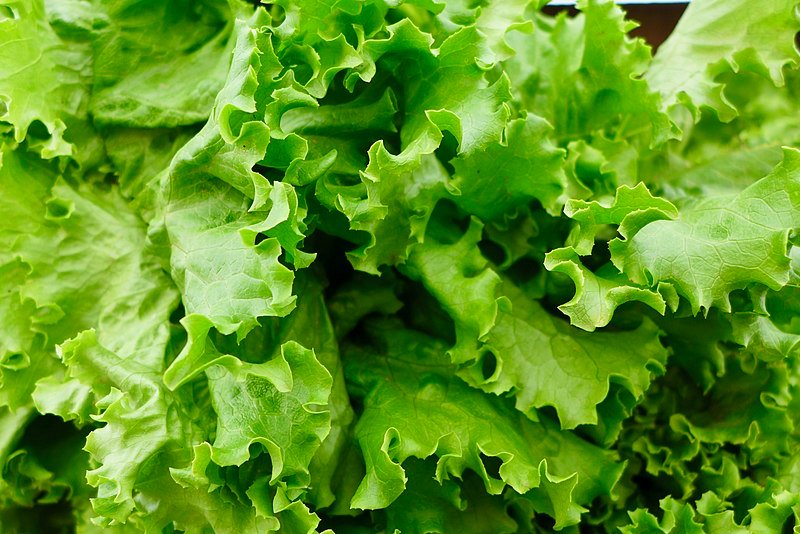
    Lettuce, in its most common form, has a mild and subtle sweetness with a pleasant crispness.

    The taste is often described as clean and refreshing, making it an ideal base for salads and a popular choice for adding a subtle crunch to sandwiches.

    Varieties of Lettuce and Their Flavors

    • Iceberg Lettuce: This classic variety is known for its crisp texture and mild, slightly sweet taste. It’s an excellent choice for those who prefer a neutral base for their salads.
    Lactuca sativa Iceberg lettuce1
    Iceberg lettuce
    •  Romaine Lettuce: Romaine lettuce has a more pronounced, earthy flavor with a hint of bitterness. Its elongated leaves offer a hearty crunch, making it a favorite for Caesar salads.
    Picture of Romaine lettuce in the Philippines
    Romaine lettuce
    • Butterhead Lettuce: As the name suggests, butterhead lettuce is tender and almost melts in your mouth. It possesses a delicate, sweet flavor, making it a delightful choice for salads and lettuce wraps.
    Butterhead lettuce image
    Butterhead lettuce
    • Red Leaf Lettuce: This variety features vibrant, maroon-tinted leaves with a flavor similar to green leaf lettuce but with slightly bitter undertones. Its color adds an appealing contrast to salads.
    Red leaf Lettuce
    Red leaf Lettuce
    • Batavia Lettuce, also known as French crisp lettuce or Summer Crisp lettuce, is a type of loose-leaf lettuce.
      Salade batavia-4-cliche Jean Weber (23568694082)
      Arugula: While not technically a lettuce, arugula is often included in salad mixes. It boasts a peppery, slightly bitter taste that adds a unique zing to salads and sandwiches.

    Lettuce, a versatile leafy green, offers a mild, fresh flavor that is primarily sweet with little to no bitterness. Let’s address your questions about lettuce:

    • Is lettuce Sweet or Sour?

    Lettuce is generally sweet with no pronounced sourness.

    • Is lettuce bitter?

    Lettuce, in its most common forms, is not typically bitter. However, some varieties, such as red leaf lettuce, may have a slight bitterness.

    • Can we eat lettuce directly?

    Yes, lettuce can be eaten directly, either as a standalone snack or as part of salads and sandwiches. Cooking can cause it to wilt and lose its crisp texture. However, some people use it in cooked dishes like soups or stir-fries for a subtle flavor and added nutrition.

    • How do you prepare lettuce for eating?

    To prepare lettuce, wash it thoroughly to remove dirt and debris. You can tear or chop it into bite-sized pieces, depending on your preference. The leaves of lettuce are the edible part, and they come in various shapes and sizes depending on the variety.

    • What does lettuce do for your body?

    Lettuce is a low-calorie vegetable rich in vitamins, minerals, and fiber. It can contribute to hydration, support digestion, and provide essential nutrients.

    • Are lettuce and cabbage the same?

    Lettuce and cabbage are not the same; they belong to different plant families. Lettuce is a leafy green, while cabbage is a dense, round, or elongated vegetable with layered leaves.

    • What is the other name for lettuce?

      Another common name for lettuce is “salad greens.”

    •  Why is it called lettuce?

    The word “lettuce” is derived from the Latin word “lactuca,” which means “milky.” This refers to the milky fluid found in some lettuce varieties.

    • Is raw cabbage healthier than lettuce?

    Both raw cabbage and lettuce are healthy, but they offer different nutrients. Cabbage is a good source of fiber and vitamins, while lettuce is lighter and more hydrating.

    •  Is lettuce a fruit or vegetable?

    Lettuce is a vegetable because it is typically consumed for its leaves rather than its seeds or fruits.

    • What are the 4 main types of lettuce?

    The four main types of lettuce are iceberg, romaine, leaf, and butterhead lettuce. Each has distinct characteristics and flavors.

    • Which lettuce is tastiest?

    Taste is subjective, but many people enjoy the mild and crisp taste of romaine lettuce.

    • Which lettuce is healthiest?

    Nutrient content varies, but darker varieties like romaine and leaf lettuce tend to be more nutrient-dense.

    •  Which lettuce is used in a burger?

    Iceberg lettuce is a common choice for burgers due to its crisp texture.

    • How can you tell if lettuce is good to eat?

    Look for fresh, crisp leaves without wilting or discoloration. Check for a pleasant, mild aroma.

    • Which lettuce is the sweetest?

    Butterhead lettuce, such as Bibb or Boston lettuce, is known for its sweet, tender leaves.

    • Which part of lettuce is bitter?

    Some varieties of lettuce, like red leaf lettuce, may have slightly bitter outer leaves.

     Lettuce’s mild and versatile flavor makes it an ideal base for countless salads, sandwiches, and wraps. It can be enjoyed in a variety of ways, from adding a delicate crunch to your dishes to being a key ingredient in your favorite salad creations.

    Lettuce’s mild flavor allows it to pair wonderfully with a wide range of ingredients. To enhance the taste, consider awell-chosen dressing, such as a balsamic vinaigrette or creamy ranch.

    Combine lettuce with ingredients like ripe tomatoes, crunchy cucumbers, sweet bell peppers, or tangy cheeses to create a harmonious balance of flavors and textures.

     Fresh herbs like basil, cilantro, or mint, along with a sprinkle of sea salt and a dash of black pepper, can add depth to the overall taste.

    Also, incorporating grilled chicken, tofu, or chickpeas can turn a simple lettuce salad into a satisfying meal with contrasting flavors and textures.


  • African soups to eat with Fufu

    African soups to eat with Fufu

    Fufu is a staple food in many African countries, particularly in West and Central Africa. It is a dough-like food made from starchy ingredients like cassava, yam, plantains, or a combination of these.

    Fufu is typically served with a variety of flavorful and hearty soups.

    It’s hard to pick one with so many delicious options.

    Here’s our list of some popular African soups that are commonly enjoyed with Fufu:

    1. Egusi Soup: Egusi soup is a delicious and creamy soup made from ground melon seeds (egusi). It’s a popular choice in West Africa, especially Nigeria and Ghana. The soup is often cooked with leafy vegetables like spinach or bitter leaf and can include meat or fish.

    A picture of a bowl of Egusi Soup with vegetables and wraps
    Bowl of Egusi Soup with vegetables and wraps

    2. Groundnut soup, also known as peanut soup, is a rich and nutty soup made from ground peanuts. It’s a favorite in countries like Ghana and Nigeria. The soup is typically cooked with meat, fish, or chicken and flavored with spices like ginger and garlic.

    3. Light soup is a spicy and tangy tomato-based soup that’s commonly enjoyed with fufu in Ghana. It’s often made with chicken or fish and flavored with hot peppers and aromatic herbs.

    4.  Oha soup is a traditional Igbo dish in Nigeria. It features oha leaves, which have a unique flavor and can be cooked with various proteins like goat meat or cow tripe. The leaves add a distinct taste to the soup.

    Oha soup photo
    Oha soup

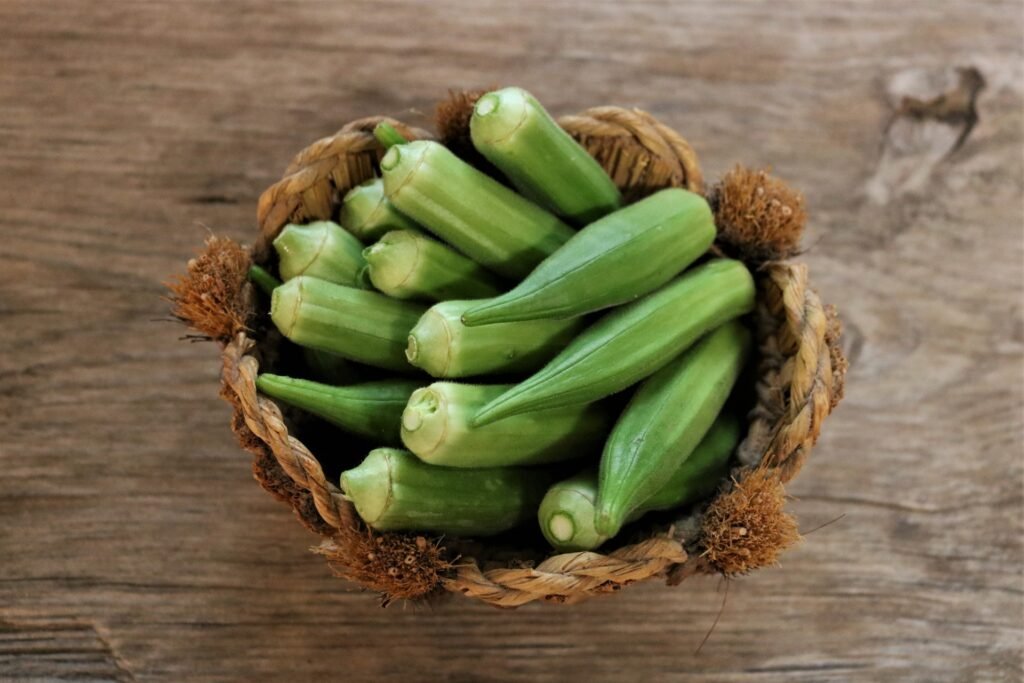
    5. Okra Soup: Okra (or Okro) soup is a popular choice in West Africa, including Nigeria and Ghana.

    Okro soup with shrimps,dried fish,cow leg and tail with meat
    Okro soup with shrimps, dried fish, cow leg, and tail with meat

    It’s made from sliced okra, which gives the soup a thick and slightly slimy consistency.  Okra/Okro soup can be prepared with various types of meat or seafood.

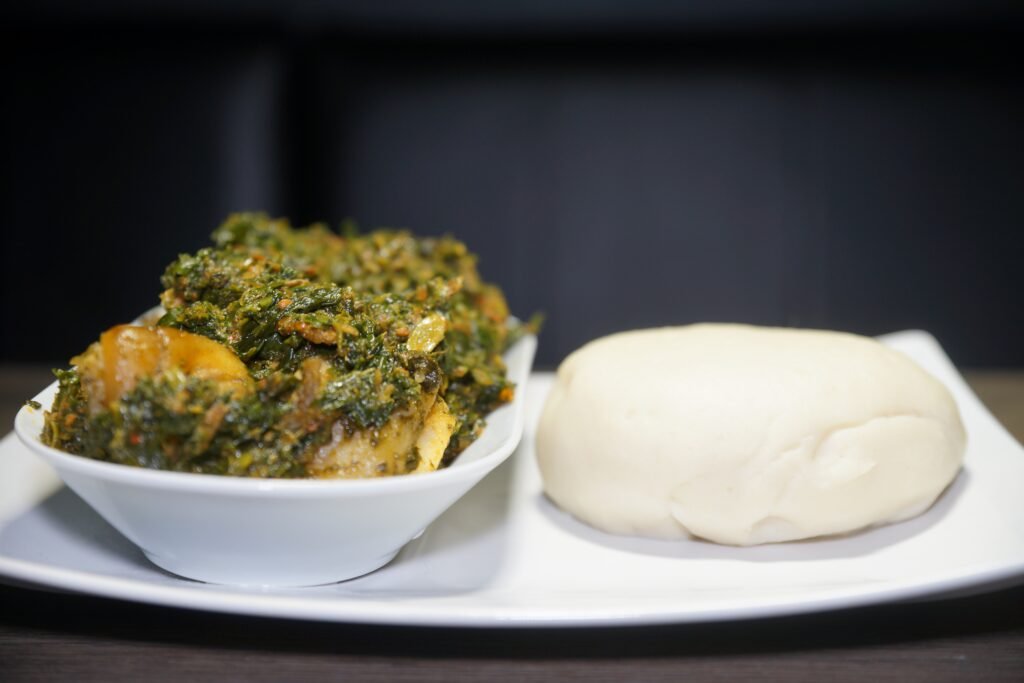
    6. Efo Riro is a Nigerian soup that’s rich in vegetables.

    It often includes ingredients like spinach, bell peppers, and scotch bonnet peppers, along with your choice of protein like beef, goat meat, or fish.

    Efo riro
    Efo riro soup

    7. Pepper soup is a spicy and aromatic broth made with various spices and hot peppers. It can be prepared with different types of meat, fish, or even offal. It’s popular in Nigeria, Cameroon, and other African countries.

    8. Banga Soup (Palm Nut Soup): Banga soup is a rich and flavorful soup made from palm fruit extract. It’s a specialty in Nigeria’s Niger Delta region and is often served with starch or fufu.

    Banga Soup
    Banga Soup with assorted meat and fish

    9. Miyan Kuka (Baobab Leaf Soup): This is a traditional Nigerian soup made from baobab leaves. It has a tangy taste and is often cooked with dried fish or meat.

    10. Taro Leaf Soup: Taro leaves are used to prepare this soup in many African countries, including the Democratic Republic of Congo. The leaves are cooked with various seasonings and often served with fufu.

    11.  Bitterleaf soup is a traditional Nigerian soup made with bitterleaf vegetables. Also called Onugbu soup, it is typically cooked with a variety of meats and seasoned with spices and palm oil.

    Fufu
    A piece of unwrapped Fufu

    12.Okazi soup, also known as Ukazi soup is similar to Afang soup, but is thicker. Its origins are from the Igbo ethnic region of Nigeria.

    13. Edikang Ikong is a popular Nigerian vegetable soup made with a combination of waterleaf and fluted pumpkin leaves. It’s known for its delicious and nutritious ingredients.

    14. Nsala Soup (White Soup): Ofe Nsala as it is popularly called,  is a Nigerian soup with a light, white color. Ofe Nsala as it is popularly called, is made with yam or plantains and typically includes fish or meat.

    Afang Soup (okazi)
    Afang Soup

    15. Afang Soup: This is a specialty of the Efik and Ibibio people in Nigeria. It’s made with a mixture of wild and cultivated vegetables, including Afang leaves.

    16. Ewedu soup is a Yoruba dish from Nigeria made with jute leaves. It has a mucilaginous texture and is often served with Amala (a type of fufu).

    Ewedu (Green soup) mixed with Gbegiri soup (yellow soup)
    Ewedu (Green soup) mixed with Gbegiri soup (yellow soup)

    17. Gbegiri Soup: Gbegiri is a Nigerian soup made from peeled and cooked black-eyed beans. It’s often served alongside Ewedu soup.

    18. Abenkwan (Palm Nut Soup): Abenkwan is a Ghanaian palm nut soup made from palm fruit extract. It’s a rich and creamy soup that pairs well with fufu.

    19. Domoda (Peanut Butter Soup): Domoda is a popular Gambian soup made with peanut butter, tomatoes, and various vegetables. It’s often served with rice or fufu.

    20. Atama soup is a traditional soup from the Efik and Ibibio tribes in Nigeria. It’s made with palm fruit concentrate and Atama leaves.

    21. Miyan Taushe (Pumpkin Soup): Miyan Taushe is a Nigerian soup from the north of the country, made with pumpkin leaves and groundnut (peanut) sauce. It’s often served with tuwo shinkafa (pounded rice) or Fufu.

    Picture of Miyan taushe
    Miyan Taushe

    22. Efo Elegusi is a Yoruba soup from Nigeria made with ground melon seeds and leafy vegetables. It’s a hearty and nutritious dish.

    23. Mafe (Groundnut Stew): Mafe is a West African stew made with groundnuts (peanuts), tomatoes, and various meats or vegetables. It’s commonly enjoyed with rice or fufu.

    24. Achu Soup: Achu is a Cameroonian soup made with pounded cocoyam and palm nut cream. It’s often served with yellow plantains and a spicy sauce.

    25. Cassava leaf soup is a staple in many West African countries. It’s made from cassava leaves and often cooked with meat, smoked fish, or crayfish.

    26. Egusi Ijebu is a Nigerian soup that features egusi (melon seeds) and is native to the Ijebu people of Nigeria. It’s often prepared with leafy vegetables and palm oil.

    Fufu served with Ogbono Soup
    Fufu served with Ogbono Soup

    27.  Ogbono soup is a thick and hearty Nigerian soup made from Ogbono seeds. It’s often prepared with leafy vegetables and various meats or fish.

    28. Sorrel soup is enjoyed in various African countries, including Senegal. It’s made from sorrel leaves and has a tangy flavor.

    29. Cowpea Soup: This is made from cowpeas (black-eyed peas) and is popular in several African countries. It’s often cooked with vegetables and spices.

    Pounding of fufu
    Fufu being pounded

    These diverse African soups showcase the rich culinary traditions of the continent and are enjoyed with various types of fufu or starchy accompaniments, depending on the region and local preferences.

  • How to cut a cucumber

    How to cut a cucumber

    Cutting a cucumber is a simple and essential culinary skill. Here’s a step-by-step guide on how to cut a cucumber into common shapes and sizes:

    Basic tools you’ll need:

    • A sharp knife
    • A cutting board

    Steps to cut a cucumber:

    1. Wash the Cucumber: Before you begin, thoroughly rinse the cucumber under cold running water to remove any dirt or contaminants from the skin.
    2. Trim the Ends: Place the cucumber on a cutting board and use your knife to trim off both ends. This step ensures that you have a clean starting point.
    3. Peel (Optional): Depending on your preference and the cucumber variety, you can choose to peel the cucumber or leave the skin intact. To peel, use a vegetable peeler or a knife and gently remove the skin in a downward motion. Some cucumbers have thin, tender skins and may not require peeling.
    4. Slice into Rounds:
      • For cucumber rounds, simply slice the cucumber crosswise into even pieces. The thickness of the rounds can vary based on your preference, but a common thickness is about 1/4 to 1/2 inch (0.6 to 1.3 cm).
    5. Cut into Half-Moons:
      • To create cucumber half-moons, start by slicing the cucumber into rounds as mentioned above. Then, cut each round in half to create semi-circular pieces.
    6. Dice or Cube:
      • For cucumber cubes or dice, first cut the cucumber in half lengthwise to create two long halves.
      • Lay one-half flat on the cutting board and make lengthwise cuts to create cucumber sticks or batons.
      • Then, gather the sticks and make perpendicular cuts to create cubes or dice of your desired size.
    7. Julienne (Matchstick Cuts):
      • To julienne a cucumber, start by cutting the cucumber in half lengthwise, as in the previous step. Then, cut each half into thin, matchstick-sized strips. These can be used in salads or as a garnish.
    8. Spiralize (Optional):
      • If you have a spiralizer, you can create cucumber noodles (also known as “cucumber spirals”). Simply spiralize the cucumber using the appropriate blade attachment on your spiralizer. These cucumber noodles are great for salads or as a low-carb pasta alternative.
    9. Serve or Store: Once you’ve cut the cucumber into your desired shape, you can use it immediately in your recipe, garnish a dish, or store it in an airtight container in the refrigerator for later use. Cucumbers are best when used fresh to retain their crispness and flavor.

    Frequently Asked Questions

    We’ll explore various cucumber-cutting techniques, serving styles, and the numerous health benefits of enjoying this green gem.

    How to Cut Cucumber Decoratively

    1. Flower-Shaped Slices: Create an eye-catching cucumber garnish by slicing it crosswise into thin rounds. Make several small cuts around the edges of each round to resemble flower petals.
    2. Cucumber Fans: To make cucumber fans, start with a peeled cucumber. Slice it lengthwise into thin strips, leaving a small portion uncut at the top to hold the slices together. Gently fan out the slices to create an elegant presentation.

    How to Cut Cucumber into Strips

    1. Cucumber Sticks: For a quick and healthy snack, cut cucumbers into long, thin sticks, similar to carrot sticks. These are perfect for dipping in hummus or tzatziki.
    Slicing cucumber (5442160654)
    Cucumber spears

    How to Cut Cucumber for Salad

    1. Classic Slices: The most common way to prepare cucumbers for salads is to slice them into rounds or half-moons. These slices add a refreshing crunch to your greens.
    2. Cucumber Ribbons: Use a vegetable peeler to create cucumber ribbons for a unique salad texture. Simply run the peeler along the length of the cucumber.

    How to Cut Cucumber for Snacks

    1. Cucumber Rounds: Slice cucumbers into rounds for a simple, healthy snack. Top them with a sprinkle of salt and pepper or your favorite seasoning.
    2. Cucumber Chips: For a low-calorie chip alternative, slice cucumbers thinly and bake them in the oven until they become crispy.

    How to Cut Cucumber in Different Shapes

    1. Cucumber Stars: Use a small star-shaped cookie cutter to create cucumber stars for a fun and kid-friendly garnish.
    2. Cucumber Hearts: Similar to the stars, cut cucumbers into heart shapes with a cookie cutter for a romantic touch.

    How to Cut Cucumber Chinese Style

    1. Diagonal Slices: In Chinese cuisine, cucumbers are often sliced diagonally. This technique provides larger, more irregularly shaped pieces that absorb sauces well.

    How to Cut Cucumber Long Ways

    • Cucumber Spears: Cut cucumbers lengthwise into long, narrow spears for a different take on cucumber sticks.

    How to Cut Cucumber for Charcuterie Board

    • Cucumber Rounds or Batons: Arrange cucumber rounds or batons on your charcuterie board for a refreshing contrast to cured meats and cheeses.

    How to Cut Cucumber for Coleslaw

    • Matchsticks or Shredded: When preparing cucumber for coleslaw, you can julienne them into matchsticks or shred them finely, depending on your coleslaw recipe preference.

    What Are the Benefits of Eating Raw Cucumbers?

    Eating raw cucumbers provides numerous health benefits, including hydration, a good source of vitamins and minerals, and potential antioxidant and anti-inflammatory properties. Cucumbers are also low in calories and can support weight management.

    Can You Eat Cucumber Raw?

    Yes, cucumbers are commonly eaten raw. Their refreshing taste and crisp texture make them a popular choice for raw consumption, whether in salads, sandwiches, or as a snack.

    Is It Better to Eat Cucumber with or Without Skin?

    Cucumber skin is a good source of fiber and contains some additional nutrients. However, some people may prefer to peel cucumbers due to personal taste or digestive sensitivities. Eating cucumbers with the skin on is generally recommended for maximum nutritional benefits.

    Can You Eat Cucumber Every Day?

    Yes, cucumbers are a healthy addition to your daily diet. They are low in calories, hydrating, and packed with vitamins and minerals. However, like any food, moderation is key, and it’s essential to maintain a balanced diet.

    Is It Good to Eat Cucumber on an Empty Stomach?

    Eating cucumber on an empty stomach can be a refreshing and hydrating choice. It can help kickstart your digestion and provide a light and healthy start to your day.

    Incorporate these cutting techniques and serving styles to make the most of cucumbers in your meals and snacks. Whether you prefer them as a decorative garnish, a crunchy salad component, or a simple snack, cucumbers offer both versatility and health benefits when enjoyed raw.

    Remember to exercise caution when using a sharp knife, and keep your fingers away from the blade while cutting. With these simple steps, you can easily prepare cucumbers for a wide range of culinary applications.

  • What does a sea cucumber taste like

    What does a sea cucumber taste like

    The taste of a sea cucumber can vary depending on how it’s prepared and the specific species. In general, sea cucumbers are often described as having a mild, subtle flavor.

    Some people liken their taste to a mix of seafood and a hint of oceanic brininess.

    When properly cooked and seasoned, sea cucumbers can take on the flavors of the ingredients they are prepared with, making them a versatile ingredient in various dishes.

    The texture of a sea cucumber is a significant part of its culinary appeal.The Sea Cucumber

    When cooked, it becomes soft and gelatinous, with a slightly chewy and springy texture that can be pleasant in certain dishes.HK Mongkok 601 Nathan Road Chong Hing Plaza 魚翅大排檔 Shark's Fin Restaurant food March 2019 SSG 01

    Sea cucumbers are popular in many Asian cuisines, particularly Chinese, where they are often used in soups, stir-fries, and stews, absorbing the flavors of the surrounding ingredients.

    Overall, the taste and texture of a sea cucumber can be an acquired taste for some, but it is appreciated for its ability to complement and absorb the flavors of the dishes it is prepared in.

    Sea cucumbers, often considered oceanic oddities, have gained popularity not only for their unique appearance but also for their potential health benefits and culinary uses.

    We’ll now dive into the fascinating world of sea cucumbers, answering common questions about their consumption, nutritional value, cost, and more.

    Is it safe to eat Sea Cucumbers?

    Yes, it is perfectly safe to eat sea cucumbers, and they are a delicacy in many parts of the world. However, it’s essential to prepare them properly, remove any potentially toxic parts, and purchase them from reputable sources to ensure they are safe for consumption.

    Is Sea Cucumber a Fish?

    No, sea cucumbers are not fish. They belong to a separate group of marine animals known as echinoderms. Echinoderms also include starfish, sea urchins, and sand dollars.

    Sea cucumbers are more closely related to these creatures than to fish.

    Cohombro de mar pardo (Holothuria arguinensis), Parque natural de la Arrábida, Portugal, 2020-07-23, DD 34 What Does Sea Cucumber Do for the Body?

    Sea cucumbers are believed to offer several health benefits. They are a good source of protein, vitamins, and minerals. Some potential health benefits of sea cucumbers include promoting joint health, supporting the immune system, and aiding in wound healing due to their high collagen content.

    What Are Three Interesting Facts About Sea Cucumbers?

    • Natural Filtration: Sea cucumbers play a vital role in marine ecosystems as natural recyclers. They feed on detritus and plankton, helping to maintain the health of ocean floors.
    •  Regenerative Abilities: Sea cucumbers have impressive regenerative abilities. If a predator attacks them and they lose a portion of their body, they can regenerate the lost parts over time.
    • Prized Delight: Sea cucumbers are a prized ingredient in various cuisines, particularly in Asian countries. They are used in soups, stir-fries, and stews for their unique texture and ability to absorb flavors.

    Which Country Eats Sea Cucumber?

    Sea cucumbers are consumed in many countries, but they are particularly popular in Asian cuisines. China, Japan, South Korea, and Southeast Asian countries have a long history of incorporating sea cucumbers into their traditional dishes.

    What is Another Name for Sea Cucumber?

    Sea cucumbers are sometimes referred to as “holothurians.” This name is derived from their scientific classification within the phylum Echinodermata.

    In conclusion, sea cucumbers are not only safe to eat but also offer potential health benefits. Their unique texture and ability to absorb flavors make them a prized ingredient in various culinary traditions worldwide.

    Their culinary and nutritional value makes them a sought-after delicacy in many cultures.

  • What does Banana taste like?

    What does Banana taste like?

    Banana flavor is often described as a combination of fruity and slightly tangy notes. The texture is creamy and soft, making it a pleasant and easy-to-eat fruit.

    Bananas belong to the Musaceae family. They are one of the most popular fruits globally, prized for their natural sweetness, creamy texture, and versatility in culinary applications.

    Do bananas taste sweet or sour?

    Bananas are primarily known for their sweet taste. When they are fully ripe, they have a natural sweetness with subtle hints of tartness, but the sweetness dominates.

    Types of Banana

    Bananas come in various shapes and sizes, but the most common type is the Cavendish banana, known for its bright yellow skin and sweet, slightly tangy flavor.

    Other types of bananas include plantains, Lady Finger bananas, and red bananas. Each variety offers a distinct taste experience.

    What Does a Red Banana Taste Like?

    Red bananas are shorter and plumper than their yellow counterparts, with reddish-purple skin. Their flavor is a delightful blend of sweet and slightly tangy notes. Red bananas are often compared to Cavendish bananas but are typically creamier and more robust in taste, with subtle raspberry undertones.

    Which banana is sweeter?

    Among the common banana varieties, the Cavendish banana is often considered one of the sweetest when fully ripe. However, there are other sweeter banana varieties such as the

      • Gros Michel
      • Manzano
      • Some specialty bananas like the sugar banana (also known as the finger banana)
      • Honey banana.

     What makes a banana sweeter?

    The sweetness of a banana is influenced by several factors:

        • Ripeness: As a banana ripens, its starches convert into sugars, making it sweeter over time.
        • Variety: Different banana varieties have varying levels of natural sweetness. Some are naturally sweeter than others.
        • Growing Conditions: Factors such as climate, soil quality, and cultivation methods can affect the sweetness of bananas.
        • Storage: Proper storage conditions can help bananas ripen evenly, enhancing their sweetness.

    In general, the level of ripeness and the banana variety play crucial roles in determining its sweetness. Some people prefer bananas when they are just ripe and slightly firm, while others enjoy them when they are fully ripe with a sweet and soft texture.

    What does a banana smell like?

    Bananas are known for their distinctive and pleasant aroma. The smell of a ripe banana is often described as sweet, fruity, and tropical.

    It has a strong, fruity fragrance with notes of vanilla and a hint of citrus. Some people also detect a floral undertone in the scent of ripe bananas.

    The aroma of a ripe banana is a significant part of its appeal and is often associated with the fruit’s readiness to eat.

    It’s one of the reasons why bananas are a popular choice for baking, smoothies, and various culinary applications, as their scent can add a delightful fragrance to dishes.

    Overall, the smell of a ripe banana is generally well-liked and considered inviting.

  • Difference Between Street Food and Fast Food: 23 comparisons

    Difference Between Street Food and Fast Food: 23 comparisons

    It is often an argument whether street food and fast food are the same, and whether street food can be a healthy option for weight loss

    In this article, we’ll answer these questions and explore the key differences between street food and fast food.

    First, let’s start by asking:

    What is Street Food?

    These ready-to-eat foods and beverages are prepared and sold by local vendors in public spaces, typically on the streets, sidewalks, or in open-air markets. Street food is popular, and an integral part of many cultures around the world.

    StreetfoodNY What is Fast Food?

    Fast food refers to a type of food that is prepared quickly, typically served at restaurants or established eateries that emphasize speed and convenience in both the ordering and serving processes.

    Restaurant Chick-Fil-A in Sugar House SLC                               Comparisons and differences

    1.Menu Variety:

    Street Food: Street food vendors often specialize in a limited number of dishes, showcasing local or regional specialties. The menu tends to be compact but full of flavor.

    Korean.snacks-Street food-01 Fast Food:   Fast food restaurants, on the other hand, boast extensive menus with a wide range of items, from burgers and fries to salads and breakfast options. Variety is their strong suit.

    Fast food menu
    Fast food menu

    2. Preparation:

    Street Food: Street food is typically prepared fresh to order right in front of customers, adding a personalized and artisanal touch to each dish.

    Fast Food: Fast food is often prepared in commercial kitchens with standardized processes and assembly-line cooking, emphasizing speed and efficiency.

    3. Ingredients and Health Considerations:

    Street Food can vary widely in terms of ingredients and healthiness. Some vendors prioritize fresh and locally sourced ingredients, offering relatively healthier options. However, indulgent choices abound, like deep-fried treats.

    Fast Food has faced criticism for its use of processed ingredients, high sodium content, and unhealthy cooking methods. Many fast food chains have begun to offer healthier menu options in response to health concerns.

    4. Price Range:

    Street food is typically more budget-friendly, catering to a range of wallets while still offering good value for money.

    Fast Food prices are competitive and often come with combo meals and value deals, making them an affordable option.

    5. Ownership and Branding:

    Street food vendors are often small, local businesses that may not have significant branding or advertising budgets. They’re deeply ingrained in their communities.

    Fast food chains are typically part of large corporations with established branding and marketing efforts. Their logos and mascots are recognizable worldwide.

    HK WC 灣仔 Wan Chai McDonald's fast food restaurant January 2020 SS2  6. Cultural and Regional Influences:

    Street food reflects local and regional culinary traditions, providing an authentic and culturally diverse experience.

    Fast food chains offer standardized menus globally, with minimal adaptation to local tastes. It’s a uniform experience wherever you go.

    7. Environmental Impact:

    Street food vendors often use fewer resources and produce less waste since their operations are compact and mobile. They are generally more environmentally friendly.

    Fast food restaurants have larger physical footprints and produce more packaging waste, making them less eco-friendly by comparison.

    8. Authenticity:

    Street food is celebrated for its authenticity, offering a taste of local culture and traditions.

    Street Food Shop Fast food is consistent but may lack the regional flair and authenticity found in street food.

    9. Popularity:

    Street food is incredibly popular worldwide, drawing both locals and tourists seeking an authentic culinary experience.

    Fast food is also highly popular, especially among those looking for a quick and familiar meal.

    10. Convenience:

    Street food is convenient in the sense that it’s readily available while you’re out and about, often found in bustling urban areas or near popular attractions.

    Fast food is known for its drive-thru service, making it convenient for those on the road or in a hurry.

    11. Freshness:

    Street food is often made fresh on the spot, with ingredients sourced locally, providing a sense of immediate freshness.

    Fast food, while quick, may rely more on pre-packaged and processed ingredients, potentially impacting the perception of freshness.

    12. Healthier Choices:

    A Suya meat seller along the road
    Suya vendor

    Many street food vendors offer healthier options, such as salads, grilled meats, and fresh fruit. It’s possible to find nutritious choices.

    Fast food chains have introduced healthier menu items, but they are often seen as having fewer healthy options overall, with many items high in calories and fat.

    13. Opening Hours:

    Street food vendors often operate during specific hours, primarily in the evenings or on weekends, depending on the location.

    Fast food restaurants usually have longer opening hours, often offering 24/7 service.

     14. Social Experience:

    Dining at street food stalls often involves a social experience, as customers interact with vendors and fellow patrons in an open-air setting.

    Fast food dining is often more solitary, with customers focused on quick consumption, especially in drive-thru situations.

    15. Dietary Restrictions:

    Street food vendors may offer more flexibility in accommodating dietary restrictions and preferences, as they can often customize dishes.

    Fast food chains may have limited options for those with specific dietary requirements, but they are increasingly offering alternatives.

    15. Culinary Innovation:

    Street food is known for its innovation, with vendors frequently experimenting and creating new dishes or fusions of traditional recipes.

    Dishes at Chinese fusion restaurant "Masa's kitchen" in Tokyo 10

    Fast food menus tend to evolve more slowly, with changes and innovations happening on a corporate level.

    16. Support for Local Economy:

    Purchasing street food often directly supports local entrepreneurs and small businesses, contributing to the local economy.
    Street food vendors mexico IMG 5439

    While fast food franchises employ local staff, a significant portion of profits may go to corporate headquarters.

     17. Portability:

    Street food is designed for easy portability, often served in handheld containers or on skewers, making it convenient for eating on the go.

    Fast food is also designed for portability, with items like burgers and sandwiches served in paper wrappers or containers.

    18. Local Ingredients:

    Street food vendors often use locally sourced ingredients, which can vary based on the region and season, contributing to the local economy.

    Fast food chains often rely on standardized, mass-produced ingredients, which may not always reflect local agricultural or culinary diversity. Some items are even imported.

    19. Food Safety:

    Food safety practices among street food vendors can vary widely, but many insist on prioritizing hygiene to maintain their reputation and customer trust.

    Fast food chains typically adhere to strict food safety and quality control standards, ensuring consistency and minimizing health risks. They are for the most part, better regulated.

    20. Speed of Service:

    Street food is often served quickly, especially for items that are pre-prepared or easy to assemble.

    As the name suggests, fast food is designed for rapid service, with drive-thru options for even faster convenience.

     21. Seating:

    Street food dining is often informal, with limited or no seating provided. Customers may eat while standing or find nearby public seating.

    Fast food restaurants typically offer indoor and outdoor seating options for dine-in customers.

    Pepper Lunch in New Town Plaza Phase 3 interior 2017 22. Payment Methods:

    Street food vendors often accept cash payments, but in some urban areas, digital payment options like mobile apps are becoming more common.

    Fast food chains widely accept both cash and digital payment methods, including credit and debit cards.

     23. Culinary Skills:

    Street food vendors are often skilled cooks or chefs with expertise in specific regional cuisines, adding authenticity to their offerings.

    Fast food employees typically follow standardized preparation procedures, requiring less culinary expertise.

    These differences highlight the diverse nature of street food and fast food, showcasing the unique experiences and qualities that each offers to consumers. Whether you’re seeking a quick meal on the go or a culturally immersive dining experience, both options have their place in the culinary landscape.

  • 16 Street food business ideas

    16 Street food business ideas

    Starting a street food business can be an exciting and profitable venture, provided you plan it well and offer unique, high-quality dishes that cater to the tastes of your target customers.

    Here are some street food business ideas to consider:

    1. Food Truck:

    Food trucks are a popular choice for street food businesses. You can serve a variety of dishes, from gourmet burgers and tacos to specialty desserts, all from a mobile kitchen. Research the local food truck regulations and permits in your area.

    2. Kiosk or Stall:

    – Set up a small kiosk or stall at a busy street corner, farmer’s market, or festival. You can specialize in a particular cuisine or signature dish. Make sure to check the local regulations and obtain any necessary permits.

    Asian Street Food (Unsplash)

    3. Pop-Up Restaurant

    – Organize temporary pop-up restaurants in partnership with other businesses, such as cafes or bars. Offer a limited menu for a specific period, creating a buzz and attracting food enthusiasts.

    4. Hot Dog Stand

    Hot dogs are classic street food. Consider selling gourmet hot dogs with unique toppings and condiments. Vegan and vegetarian options can also be added for a broader customer base.

    5. Falafel and Shawarma Cart

    Middle Eastern street food like falafel and shawarma can be a hit. Serve them in pita bread with various fresh veggies and sauces.

    Sharwarma meat
    Shawarma meat being grilled

     6. Pancake or Crepe Cart

    – Offer sweet and savory pancakes or crepes with an array of fillings like Nutella, fruits, cheese, and herbs.

    7. BBQ Skewers and Kebabs:

    Skewers and kebabs can be a favorite at street food festivals and events. Offer a variety of protein and veggie options with delicious marinades.

    Grillen - BBQ - Barbeque - Fleisch auf dem Grill - 2 - 8. Taco Stand

    Tacos are versatile and loved by many. Create a menu with different protein options, salsas, and toppings.

    9. Sushi or Sashimi Bar

    If you have experience with sushi-making, a mobile sushi or sashimi bar can be a unique and high-end street food option.

    4 perisa Sushi bersama kotak sushi
    Sushi pack

    10. Dessert Truck

    Focus solely on desserts like ice cream, cupcakes, waffles, or specialty cakes. You can also offer coffee and tea to complement your sweet treats.

    11. Smoothie and Juice Bar

    Juice bar (8687474397)

    Healthy options are always in demand. Set up a smoothie and juice bar serving fresh, nutritious beverages with a range of flavors and add-ins.

    12. Ethnic Specialties

    Offer street food specialties from various countries, such as Indian samosas, Vietnamese banh mi, or Ethiopian injera with various stews.

    13. Doughnut or Churro Stand

    Fried pastries like doughnuts or churros are indulgent and popular choices for street food.

    Picture of the Kings Meringue Party (Dunkin' Donuts), Oosterflank, Rotterdam (2022)
    The Kings Meringue Party (Dunkin’ Donuts)

    14. Gourmet Grilled Cheese Sandwiches

    Elevate the classic grilled cheese sandwich with artisanal bread and gourmet ingredients like specialty cheeses, truffle oil, or fig jam.

    15. Vegan and Vegetarian Options

    Picture of Vegan food
    Vegan sandwich

    With the growing demand for plant-based foods, consider specializing in vegan or vegetarian street food options, such as plant-based burgers, tofu bowls, or jackfruit tacos.

    Before starting your street food business, thoroughly research your target market, location, and competition.

    Ensure you have all the necessary permits and licenses, and invest in high-quality ingredients and equipment to create memorable dishes that keep customers coming back for more.

    Building a strong brand and online presence through social media can also help you promote your street food business effectively.

  • Exploring the differences between a Frying pan, Skillet, Sauté Pan, Wok and Griddle

    Exploring the differences between a Frying pan, Skillet, Sauté Pan, Wok and Griddle

    In the world of cooking, having the right tools can make all the difference.

    So, in this article, we’ll explore the differences between a skillet, sauté pan, wok, griddle, and frying pan, helping you make informed decisions in the kitchen.

    The difference between a Frying Pan and a Sauté Pan

    A frying pan usually has straight, vertical sides. It excels at shallow frying and sautéing, making it ideal for pancakes, eggs, and shallow-fried meats.

    Frying Pan
    Frying Pan


    A common source of confusion is between sauté pans and frying pans. These two pans are quite similar in appearance, but their differences lie in their intended use.

    • A sauté pan has a flat bottom and straight sides, similar to a frying pan.
    •  It often comes with a lid and is designed for cooking methods like sautéing, braising, and simmering.
    • The lid helps trap heat and moisture, making it suitable for slow-cooking dishes.

      Kupferpfanne Sautoir Plat à sauter Copper pan
      Copper saute pan

    A frying pan is primarily used for shallow frying and quick cooking techniques. It lacks the lid commonly found on sauté pans.

    Cast Iron Skillet vs Non-Stick Frying Pan: Material Matters

    A small cast iron pan
    Cast iron skillet

    The choice of material is another significant factor when comparing cookware. Cast iron skillets are known for their excellent heat retention and distribution. They are perfect for achieving a deep sear on steaks and can even be used in the oven for baking. However, they require seasoning and maintenance to prevent rust.

    In everyday language, the terms “skillet” and “pan” are often used interchangeably. However, a skillet and a pan can refer to slightly different things.

    Non-stick frying pan
    Non-stick frying pan

    A skillet typically has slanted or sloped sides and is designed for a variety of cooking techniques, including frying, searing, and even baking. It’s known for its versatility and is often the go-to choice for dishes that require tossing or flipping, such as stir-fries and omelets.

    Non-stick frying pans are beloved for their convenience. They make cooking and cleaning a breeze, thanks to their non-stick coating.

    These pans are ideal for delicate foods like eggs and fish but may not achieve the same level of searing as cast iron.

    Wok vs Skillet: Stir-Fry Showdown

    Stir-frying is a popular cooking technique in many cuisines. While both woks and skillets can be used for stir-frying, there are some distinctions.Wok 2

    A wok is designed for high-heat cooking and features high, sloped sides that allow for quick tossing and stirring. It’s perfect for achieving that classic stir-fry flavor.

    Skillets, especially those with flat bottoms, can also be used for stir-frying, but they may not distribute heat as evenly as a wok.

    However, skillets are more versatile and can handle a broader range of cooking methods.

    Frying Pan vs Griddle: Flat and Fabulous

    The griddle is a versatile cooking tool that resembles a flat, solid surface, typically made of cast iron, stainless steel, or non-stick materials. Its flat design allows for even heat distribution, making it ideal for cooking a wide range of foods.

    Griddles are perfect for making breakfast staples like pancakes and waffles. The flat surface ensures even cooking and consistent browning, resulting in deliciously fluffy pancakes and crispy waffles.

    Toast, meat and eggs on a griddle

    They are also excellent for searing meats, such as steak, burgers, and chicken breasts. The large cooking surface allows you to cook multiple pieces of meat simultaneously while achieving a flavorful caramelization on the exterior.

    Breakfast meats like bacon, sausage, and ham. The large surface area allows you to cook multiple pieces at once, making it ideal for feeding a crowd during brunch gatherings.

    It also provides the perfect surface for cooking eggs, as well as flatbreads like naan, pita, and tortillas. The even heat distribution ensures that the bread cooks evenly and develops a nice charred flavor.

    They are also suitable for cooking vegetables, such as sliced bell peppers, onions, zucchini, and mushrooms.

    Overall, the griddle is a versatile cooking tool that can handle a wide range of foods, making it a must-have in any kitchen. Whether you’re cooking breakfast, lunch, or dinner, a griddle can help you achieve delicious results with ease.

    Is a Griddle Pan the same as a Griddle?

    No, a griddle pan and a grill pan are not the same, although they may appear similar at first glance.

    A griddle pan typically features a flat, smooth cooking surface. Some have light grooves for a charred look.

    electric griddle image
    Electric griddle

    Griddle pans are often used for cooking items like pancakes, eggs, burgers, and vegetables.

    Griddle pan
    Grill pan

    A grill pan, on the other hand, has a ridged cooking surface that resembles the grates of an outdoor grill. The raised ridges create grill marks on food and help to mimic the flavor and appearance of outdoor grilling.

    Grill pans are primarily designed for grilling meats and vegetables. While they can also be used for other types of food, their ridged surface may not be as suitable for cooking items like pancakes or eggs.

    A griddle pan is ideal for cooking a variety of foods on a flat surface, while a grill pan is best suited for grilling meats and vegetables with distinctive grill marks.

     Choosing the Right Cookware

    Frying pan, 2015 ( 1030212)In the skillet, wok, sauté pan, griddle vs. frying pan debate, there’s no one-size-fits-all answer.

    The choice between these cookware items depends on your cooking style and the dishes you love to prepare.

    Whether you’re a seasoned chef or a novice in the kitchen, having a variety of cookware at your disposal can help you tackle a wide range of culinary challenges.

    So, consider your cooking needs, experiment with different pans, and enjoy the delicious results that each can bring to your table.


  • Frying Pan vs Skillet: Which one should you choose?

    Frying Pan vs Skillet: Which one should you choose?

    Two kitchen essentials that often confuse home chefs are the frying pan and the skillet. Are they the same, or do they serve different purposes?  Which one should you choose when starting to cook.

    Before diving into the comparison, let’s establish a clear understanding of what each of these kitchen workhorses is:

    Features of a Frying Pan:

    • Shape: Frying pans typically feature shallow, sloping sides that make it easier to flip and toss food.

    Frying Pan 2 2019-03-21

    • Versatility: They are incredibly versatile and can handle a variety of cooking tasks, from sautéing and searing to frying and making stir-fries.
    • Materials: Frying pans come in various materials, including stainless steel, non-stick, cast iron, and more.

    Features of a Skillet:

    • Shape: Skillets have straight, high sides that are perfect for tasks that involve liquids, like simmering or making sauces.

    Griswold cast iron skillet Versatility: They are excellent for one-pot meals, such as casseroles and frittatas, and can seamlessly transition from stovetop to oven.

    • Materials: Skillets are also available in a range of materials, with cast iron and stainless steel being popular choices.

    Key differences

    Now that we know the basics let’s delve into the key differences between frying pans and skillets:

    Cooking  Techniques:

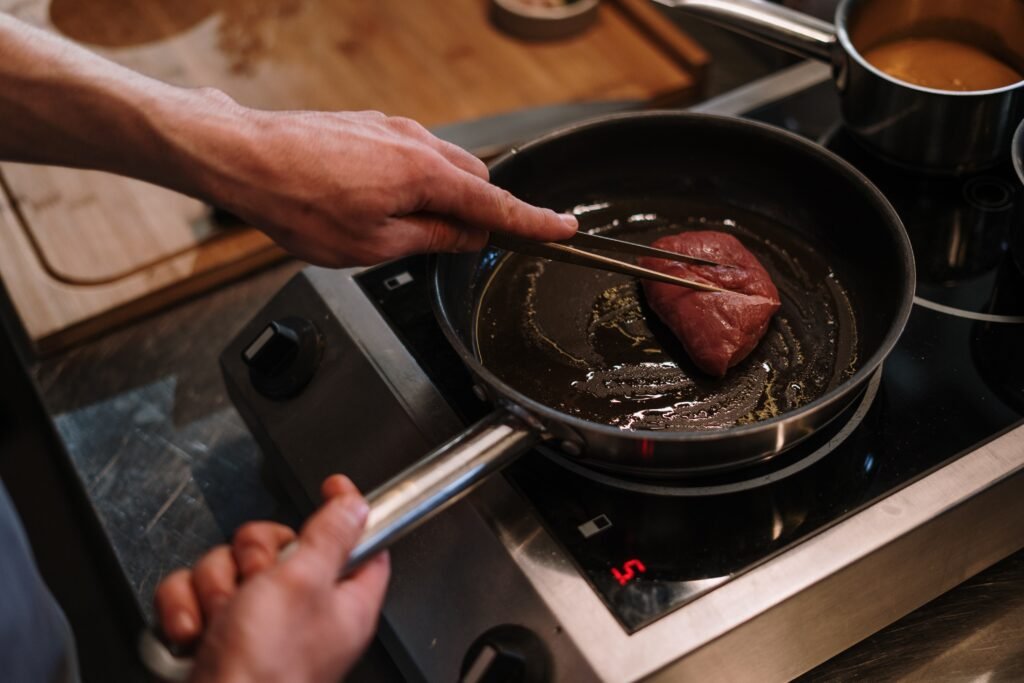
    • Frying Pan: Ideal for quick, high-heat cooking methods like searing and stir-frying. The sloped sides make flipping and sliding food a breeze.

      Photo by Dana Tentis
    • Skillet: Great for recipes that involve simmering, baking, or cooking in sauces. The higher sides prevent splattering and allow you to work with more liquid.

    Food Types:

    • The Frying Pan is perfect for cooking foods that benefit from a quick, even sear, like steaks, chicken breasts, or vegetables.
    • The Skillet is best suited for dishes that involve more liquid, such as paellas, stews, and dishes that require slow cooking.

    Cleanup:

    • Frying Pan: Non-stick frying pans are generally easier to clean, but they may not last as long as their cast iron counterparts.
    • Skillet: Cast iron skillets require special care to maintain their seasoning but can last a lifetime if properly cared for.Frying pan, 2015 ( 1030212)

    Which One Should You Choose?

    The decision between a frying pan and a skillet ultimately depends on your cooking style and the types of dishes you love to prepare. Here are some guidelines:

    • Choose a Frying Pan If:

      – You prefer quick and high-heat cooking methods.- You want something versatile that can handle a variety of dishes.
      – Easy cleanup is a priority.

    • Choose a Skillet If:

    – You enjoy slow-cooked meals with lots of sauces and liquids.- You like the idea of transitioning from stovetop to oven seamlessly.
    – You’re willing to invest time in seasoning and maintaining cast iron.

    Conclusion

    In the frying pan vs. skillet showdown, there’s no clear winner; it’s all about what works best for your cooking needs.

    Both have their unique strengths and having both in your kitchen arsenal can open up a world of culinary possibilities.

    So, the next time you’re in the kitchen, whether you’re searing a steak or simmering a savory stew, you’ll know exactly which pan to reach for.

    Happy cooking!

  • How to cook Pizza in a Frying Pan at home

    How to cook Pizza in a Frying Pan at home

    Pizza is an all-time favorite comfort food. While traditional pizza ovens are the gold standard for achieving that perfect crispy crust and bubbling cheese, not everyone has access to one. So, we’ll teach you how to make pizza in a frying pan at home.

    In this article, we’ll also walk you through reheating leftover slices, and even cooking frozen pizza in a pan.

    Cook Pizza in a Frying Pan

    Making pizza in a frying pan is a versatile and efficient way to enjoy a delicious homemade pie. Here’s a step-by-step guide on how to do it:

    Ingredients:

    Pizza dough (store-bought or homemade)
    Pizza sauce
    Shredded mozzarella cheese
    Toppings of your choice (e.g., pepperoni, mushrooms, bell peppers, onions)

    Instructions:

    Max Avans

    1. Prepare Your Dough: Roll out your pizza dough on a floured surface to your desired thickness. Ensure it fits the size of your frying pan or skillet.

    2. Heat the Pan: Place your frying pan or skillet on the stove over medium-high heat. Add a small amount of olive oil to prevent sticking.

    3. Transfer the Dough: Carefully place the rolled-out dough into the hot pan. Allow it to cook for about 2-3 minutes or until it starts to bubble and brown slightly on the bottom.

    4. Add Toppings: Spread pizza sauce evenly over the crust, leaving a small border for the crust. Sprinkle a generous amount of shredded mozzarella cheese and your chosen toppings.

    5. Cover and Cook: Cover the pan with a lid or foil to help the cheese melt and toppings cook. Reduce the heat to medium-low and cook for 8-10 minutes or until the crust is golden brown, and the cheese is bubbly.

    6. Serve: Carefully slide your cooked pizza onto a plate, slice, and enjoy!

    How to Reheat Pizza in a Frying Pan

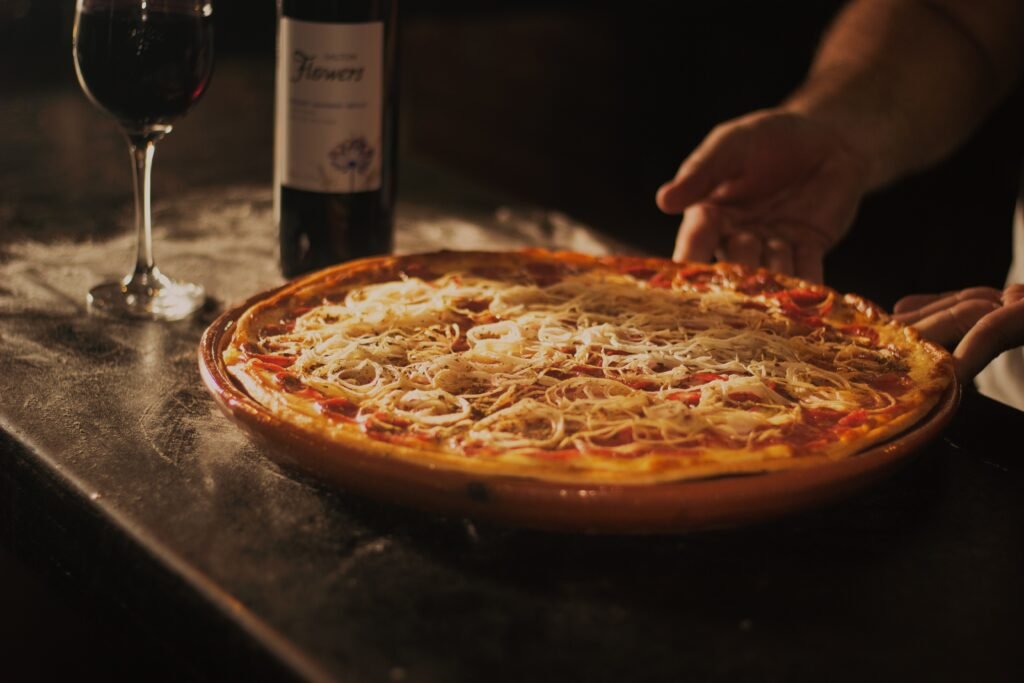
    Reheating pizza in a frying pan is a game-changer for reviving leftover slices. It maintains the crispy crust and melty cheese.Deep dish pizza

    Here’s how to do it:

    1. Heat the Pan: Place your frying pan or skillet on low to medium heat and add a few drops of olive oil.

    2. Place the Pizza Slices: Lay the pizza slices in the pan, making sure they don’t overlap.

    3. Cover and Heat: Cover the pan with a lid or foil and let the pizza heat for 2-4 minutes, or until the bottom is crispy.

    4. Crispy Crust Finish: To crisp up the crust further, remove the lid or foil and heat for an additional 1-2 minutes. Your reheated pizza is now ready to be savored.

    Cooking Frozen Pizza in a Frying Pan

    2020-06-15 20 46 36 A Celeste Original 4 Cheese Pizza for one before heating in a microwave in the Franklin Farm section of Oak Hill, Fairfax County, Virginia

    Sometimes you crave pizza, and all you have is a frozen one. Don’t worry; you can cook it in a frying pan for a quick and satisfying meal:

    1. Heat the Pan: Preheat your frying pan or skillet over medium-high heat with a bit of oil.

    2. Add the Frozen Pizza: Place the frozen pizza directly into the hot pan.

    3. Cover and Cook: Cover the pan with a lid and cook for about 10-15 minutes, occasionally checking the crust’s crispiness. Once the crust is golden brown and the cheese is melted, your frozen pizza is ready to be enjoyed.

    Cooking pizza in a frying pan or skillet is a convenient and delicious way to satisfy your pizza cravings at home.

    Whether you’re making pizza from scratch, reheating leftovers, or cooking a frozen pie, the frying pan method can deliver a crispy crust and gooey cheese that rivals your favorite pizzeria.

    So, next time you’re in the mood for pizza, give these methods a try, and enjoy a slice of homemade heaven.

  • Ice Cream from around the world

    Ice Cream from around the world

    Ice cream is more than just a frozen treat, it’s a passport to the world’s diverse flavors and cultures.

    In this delectable exploration, we invite you to embark on a frozen odyssey of ice cream from around the world.

    Photo by Piotr Arnoldes

    Rolled Ice Cream

    Originating in Thailand, rolled ice cream has taken the world by storm. It’s a street food sensation that involves pouring flavor-infused milk onto a chilled pan surface.

    Rolled ice cream on a street corner

    This liquid canvas is mixed with diced ingredients, creating a creamy blend. Using a nimble spatula work, the ice cream is deftly rolled into delectable cylinders that look as good as they taste.

    Mochi Ice Cream

    Japan gifted the world with mochi ice cream, a playful twist on traditional ice cream. In this sweet treat, small, round ice cream balls are cocooned within a soft, chewy dough made from pounded rice. The result is a delightful fusion of textures and flavors.

    Li-Hing mango mochi ice cream (6825643734)
    Mochi

    Mochi ice cream comes in a variety of exciting flavors, from classic red bean to the zesty Yuzu and the vibrant purple Ube. Its journey from Japan to global stardom is a testament to the enduring charm of handcrafted ice cream.

    Gelato

    Hailing from Italy, gelato is celebrated for its velvety texture and rich flavors. Crafted by blending fresh ingredients with cold milk, this artisanal delight undergoes a churning process that yields a softer, creamier consistency than regular ice cream.

    Gelato at Chocolat in Milan in 2006
    Gelato


    Gelato aficionados often praise its lower calorie and fat content, thanks to unsaturated milk and cream. Flavors like hazelnut, pistachio, and white chocolate with strawberries have become beloved classics.

    For a plant-based option, vegan gelato is also making waves with its entirely plant-based ingredient list.

    Frozen Yogurt

    A lighter alternative to traditional ice cream, frozen yogurt (froyo) is made with milk instead of cream. Its signature tartness has won over health-conscious dessert lovers.

    Picture of Strawberry Frozen Yogurt
    Strawberry Frozen Yogurt

    The beauty of froyo is its simplicity; it doesn’t require an ice cream maker.

    Simply mix your chosen ingredients with milk, freeze, and shape as you like. Whether sugared or non-sugared, froyo offers a delightful tangy twist on traditional ice cream.

    Sorbet

    For a dairy-free indulgence, sorbet is the answer. Crafted from fruit and often fruit puree, this refreshing treat also features a sugar syrup. The result is a dessert with a light texture and vibrant color that bursts with fruity goodness.

    Blood orange sorbet
    Blood orange sorbet

    These are just a few of the handcrafted ice cream delights you can find around the world. Each culture’s unique approach to creating frozen wonders tells a story of tradition, innovation, and the joy of savoring something lovingly made by hand.

    Kulfi

    Kulfi is a traditional Indian ice cream that dates back to the 16th century.

    It’s known for its dense texture and is made from sweetened evaporated milk.

    Kulfi
    Kulfi

    The ingredients are boiled for an extended period before being frozen in molds, often with sticks. Unlike many ice creams, kulfi does not involve whipping.

    Faloodeh

    Royal Falooda - Azad Restaurant - Trivandrum, Kerala - DSC 0003

    Faloodeh, also spelled “falooda” or “faludeh,” is a traditional Persian dessert that has become popular in various Middle Eastern and South Asian countries.

    This refreshing and unique dessert is a delightful combination of flavors and textures.Faloodeh is an original Persian sorbet made from vermicelli rice noodles, cherry syrup, rose water, and lime juice.

    It is commonly sold on the streets and in shops in Iran, offering a refreshing and unique dessert experience.

     Dondurma

    Dondurma, a Turkish word meaning ‘freezing,’ refers to the popular hand-churned ice cream sold by street vendors in Turkey.

    Istanbul DondurmaIt contains four primary ingredients: milk, sugar, mastic (a plant resin), and salep (ground tuber from orchids). Salep gives it a distinct stretchy texture. Dondurma is often cut with a knife due to its thick and chewy consistency.

    Granita

    Granita is an Italian dessert with similarities to sorbet but without dairy. It is known for its crunchy ice crystals. To make granita, fresh fruit and water are mixed and frozen.

    The mixture is then scraped with a fork to create icy flakes. Additional flavorings can be added, making it a versatile and refreshing treat.

    Tris di granite
    Granita

    These frozen desserts showcase the rich culinary diversity found across different cultures and regions, each offering a unique taste and texture experience.