Category: Food

  • 11 ways AI is transforming the food industry

    11 ways AI is transforming the food industry

    Artificial intelligence (AI) is poised to transform the food industry profoundly in the coming years.

    From automating processes to optimizing supply chains to innovating new food products, AI has the potential to increase efficiency, reduce waste, and enhance food quality and safety across the entire farm-to-table chain.

    Here are 11 ways AI is changing the food industry’s value chain.

    Food waste

    AI recommendation engines can also help reduce the staggering amount of food waste produced annually.

    By better-predicting consumer demand and optimizing production, ordering, and distribution, it can ensure the right amounts get to the right places when needed to cut down on spoilage and surpluses being thrown out.

    Anomaly detection algorithms can identify contamination or spoilage patterns a human inspector could easily miss.

    Waste can also be curtailed with AI transforming how much we grow, process, distribute, and even think about food in the decades to come.

    Food Formulation

    Looking further ahead, AI could help create new types of foods and innovative formulations to meet changing dietary needs and preferences.

    Machine learning could be used to explore novel combinations of plant-based proteins, nutrients, flavors, and textures to engineer renewable, sustainable food options that are equally healthy and delicious.

    It will be an indispensable tool in building more efficient, sustainable, and personalized food systems to feed a growing global population.

    Precision Agriculture

    AI can analyze large datasets collected from sensors and drones to optimize farming practices.

    It detects plant diseases and nutrient deficiencies early on, allowing for timely interventions that prevent crop loss and enhance yield.

    Predictive analytics enable farmers to forecast crop yields accurately, aiding in better planning and resource allocation.

    Artificial Intelligence also helps in the precise application of water, fertilizers, and pesticides, improving efficiency and promoting sustainable farming practices.

    Such automated safety checks will be critical for preventing foodborne illnesses.

    Supply Chain Optimization

    AI enhances efficiency and transparency throughout the food supply chain. It predicts consumer demand, reducing overproduction and waste while improving inventory management.

    It optimizes delivery routes and schedules, ensuring products are delivered fresh and on time, reducing transportation costs and emissions.

    Blockchain technologies track the origin and journey of food products, ensuring quality, safety, and authenticity from farm to table.

    Food Safety and Quality Control

    AI-powered sensors and imaging technologies can identify harmful substances, preventing contaminated food from reaching consumers.

    Automated quality control processes ensure consistency and prevent defects, enhancing consumer trust.

    It anticipates equipment failures in food processing plants, minimizing downtime and contamination risks.

    Product Development and Innovation

    AI accelerates the creation of new food products and recipes.

    It can develop recipes that meet specific nutritional and taste criteria, catering to diverse consumer preferences.

    Plant-based or lab-grown meat products can be developed by analyzing consumer preferences and optimizing production processes. AI identifies and enhances flavor profiles, creating more appealing and innovative food products.

    Personalized Nutrition

    AI tailors dietary recommendations and meal plans to individual needs.

    Personalized nutrition advice is based on health data and preferences, promoting healthier eating habits.

    AI-enabled kitchen appliances suggest recipes and cooking methods tailored to dietary needs.

    Wearable devices integrated with AI track nutritional intake and recommend adjustments, supporting overall health and wellness.

    Automated Food Processing

    Efficiency and precision in food processing plants can also be enhanced with AI.

    Robots perform tasks such as sorting, packaging, and labeling, reducing labor costs and improving accuracy.

    AI systems monitor and inspect products in real-time, ensuring high standards during production. AI analyzes data and adjusts production parameters dynamically, enhancing efficiency and reducing waste.

    Consumer Engagement and Experience

    AI can improve customer interaction and satisfaction.

    It provides instant customer support and personalized recommendations, enhancing the shopping experience.

    Consumer behavior is analyzed to offer tailored promotions and suggestions, boosting sales and customer loyalty. AI creates immersive and interactive shopping experiences, both online and in-store.

    Sustainability Initiatives

    AI analyzes supply chain data to identify and minimize food waste, contributing to environmental sustainability.

    It optimizes the use of resources, reducing the environmental footprint of food production.

    There is support for initiatives that reuse and recycle food waste into valuable products, promoting a circular economy.

    Food Delivery and Retail

    AI enhances the efficiency and convenience of food delivery services.

    Delivery routes and schedules are pre-planned, reducing delivery times and costs while ensuring freshness.

    Demand is predicted, and stock levels are managed in real time, ensuring product availability and reducing waste.

    Offerings are based on individual preferences and purchasing history, enhancing customer satisfaction.

    Challenges and Considerations

    The increasing adoption of AI across the food system is not without potential drawbacks.

    There are important issues around data privacy, algorithm bias, workforce displacement, and regulation that will need to be carefully addressed as AI capabilities grow.

    Ensuring the protection of consumer data used for personalization and optimization is paramount.

    The initial investment in these technologies and training can also be substantial.

    As AI technologies continue to advance, their integration into various aspects of the food sector will help meet the evolving demands of consumers and address global challenges related to food production and distribution.


  • How to become a successful food entrepreneur

    How to become a successful food entrepreneur

    Food entrepreneurs are visionaries who transform culinary ideas into successful business ventures.

    Becoming successful in this industry is more than just having a passion for cooking or a great recipe. It requires a unique blend of traits and skills beyond the kitchen.

    Attributes such as resilience, a strong work ethic, and problem-solving go a long way toward helping any food business thrive and succeed.

    Let’s look at what it takes to become successful in this ever-competitive industry.

    Passion for Food and Cooking

    At the heart of every food entrepreneur lies a genuine love for creating and experimenting with food. This passion drives them to stay updated with food trends and culinary arts, constantly seeking inspiration and innovation.

    Without this, sustaining the demanding nature of the food business becomes challenging.

    Marco White
    Marco White

    Legendary chef, author, and restaurant franchise owner, Marco Pierre White, regarded by some, as the first celebrity chef,  brought a new level of artistry and intensity to the culinary world.

    He trained future stars like Gordon Ramsay, Mario Batali, Curtis Stone, and Heston Blumenthal, to name a few.

    White was also the first British chef to be awarded three Michelin stars.

    Creativity

    Chef Marcus Samuelsson
    Chef Marcus Samuelsson

    Creativity is the cornerstone of any successful food venture. Food entrepreneurs must innovate and create unique products or concepts that stand out in the market.

    A strong sense of aesthetics for presentation and branding also helps attract and retain customers, making the experience memorable.

    Renowned chef and restaurant owner, Marcus Samuelsson, fuses various culinary traditions, including African and Scandinavian influences, into his unique cooking style.

    This makes him stand out distinctly from his peers.

    Business Acumen

    Food entrepreneurs need strategic thinking and the ability to plan long-term. This includes creating a solid business plan, managing finances, and making informed decisions that drive the business forward.

    Chef Gordon Ramsay cooking
    Chef Gordon Ramsay

    Celebrity chef and award-winning entrepreneur, Gordon Ramsay, owns multiple Michelin-starred restaurants around the world. He has written numerous cookbooks, and starred in various television shows such as “Hell’s Kitchen” and “MasterChef.”He has expanded his brand into television production, restaurant consulting, cookware, and kitchen gadgets.

    Rachael Ray has equally hosted multiple successful cooking shows and launched her own magazine, “Every Day with Rachael Ray.” She also has a line of cookware, pet food, and home goods.

    She has published many best-selling cookbooks and developed a strong presence in the media.

    To run businesses this diverse, you need to understand business principles such as finance, marketing, and operations.

    Resilience and Perseverance

    Giada De Laurentiis 2010
    Giada De Laurentiis

    The path to success is fraught with setbacks and failures.

    Resilience enables food entrepreneurs to bounce back from disappointments and keep pushing toward their goals.

    A persistent attitude is essential for overcoming challenges and achieving success.

    Chef and TV personality Giada De Laurentiis spoke about her struggles with anxiety and depression and how that affected her personal and professional life.

    She was also forced to close three of her restaurants, due to the COVID pandemic.

    Despite these setbacks, she recovered and has her business back on track.

    Adaptability

    The food industry is evolving, with new trends and consumer preferences constantly emerging.

    David Chang image
    David Chang

    Successful food entrepreneurs are flexible and willing to adapt to these changes.

    David Chang, owner of Momofuku, faced numerous challenges in the restaurant industry, including financial struggles and the impact of the COVID-19 pandemic.

    He adapted by expanding into media and consumer packaged goods.

    Entrepreneurs continue to learn and implement new skills and technologies to stay relevant and competitive.

    Attention to Detail

    Precision is key in recipe development, quality control, and packaging. Maintaining consistency and high standards ensures customers receive the best product every time.

    This also helps to build a reputable brand that customers can trust.

    Chef Thomas Keller in the kitchen
    Chef Thomas Keller

    Chef and Restaurant proprietor, Thomas Keller is renowned for his meticulous approach to French cuisine and emphasis on culinary perfection.Tartare of Korege Beef from Shiga (4202805066) His restaurants: Napa Valley, French Laundry, Per Se, Ad Hoc, and others, are known for their exceptional quality and attention to detail.

    Strong Work Ethic and Leadership

    Dedication to hard work and long hours is not negotiable, especially during the startup phase. A strong work ethic drives continuous improvement and excellence, setting the foundation for long-term success.

    Robert Irvine is a renowned chef and television personality known for his dynamic presence and expertise in the culinary world. He is celebrated for his strong leadership, culinary skills, and commitment to helping struggling restaurants and communities.

    Chef Robert Irvine
    Chef Robert Irvine

    Robert Irvine is best known for hosting popular shows like “Restaurant: Impossible.”

    In these shows, he demonstrates his ability to transform failing restaurants and tackle challenging culinary missions under tight deadlines.:

    Irvine has a strong background in the Royal Navy, where he honed his discipline and leadership skills. He often emphasizes the importance of teamwork and discipline, qualities that have greatly influenced his culinary career.

    His leadership style is characterized by a no-nonsense approach and inspires teams to turn around failing businesses.

    Good leadership fosters a positive work environment and enhances productivity.

    Problem-Solving Skills

    The ability to quickly identify problems and find practical solutions is essential.

    Issues such as rental costs, labor and ingredient costs, staffing issues, long working hours, high stress,  market saturation, and customer service often arise in the food business.

    This helps overcome obstacles, ensuring the business runs smoothly.

    Customer Focus

    Understanding customer needs and preferences is key to delivering exceptional experiences.

    Thank you for your patronage A customer-centric approach builds loyalty and drives repeat business.

    Loyalty programs help to improve customer retention by offering rewards or incentives that will encourage customers to return to your restaurant or consume your finished product to earn and redeem points or benefits.

    In the long run, this will foster a sense of connection and loyalty to the brand among customers.

    Financial Literacy

    Managing budgets, pricing, and financial planning is crucial for sustainability.

    You must understand profitability and cash flow management.

    This will help you make informed decisions and ensure the business remains financially healthy.De Waag Bitcoin

    Visionary Thinking

    Envisioning the future of the business and setting strategic goals is important. Innovative thinking helps food entrepreneurs stay ahead of competitors and explore new growth opportunities.

    New York City restaurateur Danny Meyer founded the Union Square Hospitality Group (USHG), a pioneer of the “enlightened hospitality” philosophy, focusing on exceptional service and creating welcoming environments.

    Shake Shack at Hanshin Dep OSAKA Umeda His Shake Shack chain revolutionized the fast-casual dining sector with its insistence on fresh produce and an urban focus around the world.

    Risk-Taking Ability

    Ruth Fertel
    Chef Robert Irvine

    Taking calculated risks is necessary for growth.

    Ruth Fertel, founder of Ruth’s Chris Steak House, mortgaged her home to buy a restaurant and turned it into a successful global steakhouse chain, overcoming financial and industry challenges.

    Food entrepreneurs must have the courage to venture into new markets or launch new products, understanding that risks are part of the journey to success.

    Health and Safety Awareness

    Knowledge of health and safety regulations is paramount to the safety of customers.

    In 2009, award-winning chef, Heston Blumenthal, and the owner of the Fat Duck, made a public apology after more than five hundred people suffered food poisoning at his restaurant.

    Heston Blumenthal
    Heston Blumenthal

    The British Health Protection Agency said it found evidence of poor practice at his restaurant, where the source of contamination, oysters, were served.

    Maintaining hygiene and safety in food production will help build customer trust.

    Food entrepreneurs must prioritize these aspects to avoid legal issues and protect their brand reputation.

    Ethical and Sustainable Practices

    You should emphasize ethical sourcing and sustainable business practices that resonate with today’s conscious consumers.

    Being responsible for environmental and social impact builds a positive brand image and contributes to long-term sustainability.

    Spanish cuisine expert, José Andrés, owner of ThinkFoodGroup, is famous for humanitarian efforts through World Central Kitchen.

    Chez Panisse owner, Alice Waters advocates for the farm-to-table movement, which emphasizes local, organic, and sustainable ingredients. Her influence goes beyond her restaurant to education and advocacy for better food systems.

      Marketing Savvy

    Branding, digital marketing, and social media skills are essential for creating buzz and attracting customers.

    A solid marketing strategy helps to reach a wider audience and build a strong brand presence. You should run a market analysis to help you understand market trends and identify gaps.

    • Learn to identify customers’ needs and address their pain points.

      Patience

    Building a successful business takes time. Patience is the key to staying focused on long-term goals.

    Growing a loyal customer base takes time.

    Patience is required to build relationships and encourage repeat business.

     Innovative Mindset

    The constant pursuit of new ideas and improvement keeps the business dynamic.

    Cronut. Credit: Dominique Ansel Bakery
    The Cronut. Photo: Dominique Ansel Bakery

    Dominique Ansel, is credited with creating the Cronut, a croissant-doughnut hybrid, which gained international fame and led to the expansion of his bakery business globally.

    Experimenting with new flavors, techniques, and technologies ensures the business remains fresh and exciting.

    As an entrepreneur, the food industry can be exciting and challenging.

    Using these insights, food entrepreneurs can build a strong foundation for their business and increase their chances of long-term success in this competitive food industry.

  • 10 things to eat when you visit Germany

    10 things to eat when you visit Germany

    Germany is home to many rich culinary traditions. The country is renowned for its hearty and flavorful cuisine, sure to delight any visitor. Here’s our guide (with pictures) of ten things to eat in Germany.

    1. Bratwurst

    No visit to Germany is complete without trying Bratwurst. This German sausage is made from pork, beef, or veal.

    Typically grilled or fried, Bratwurst is often served on a bread roll with mustard.

    Bratwurst Sandwich, Dresden - Germany
    Bratwurst Sandwich, Dresden, Germany

    Each region offers its own unique twist. In Nuremberg, for instance, you’ll find smaller sausages, known as Nürnberger Rostbratwurst, often served with sauerkraut or potato salad.

    2. Pretzels (Brezeln)

    Pretzels are a quintessential part of German cuisine. These large, twisted bread snacks are characterized by their chewy texture and distinctive salty crust.Süsse Brezeln (Oktoberfest) They make a perfect snack while watching a match with a cold beer. Freshly baked pretzels can be found in bakeries across the country and are a staple at beer gardens and sports venues.

    3. Schnitzel

    Schnitzel, a breaded and fried meat cutlet, is another iconic German dish.

    While the Wiener Schnitzel (made with veal) is originally from Austria, the German version often uses pork or chicken. Served with a slice of lemon, potato salad, or fries, Schnitzel is a comforting and satisfying meal.

    Pork schnitzel
    Pork schnitzel

    For a unique twist, try the Jägerschnitzel, which comes with a rich mushroom sauce.

    4. Currywurst

    Currywurst is a beloved street food that originated in Berlin. It consists of sliced pork sausage smothered in a tangy ketchup-based curry sauce, typically served with a side of fries or bread.Currywurst - CurryMitte

    This fast-food favorite is perfect for a quick bite between matches. Look for Currywurst stands or Imbiss, as they are called.

     5. Sauerkraut and Sausages

    A classic German pairing, sauerkraut (fermented cabbage) and sausages are a must-try.

    The tangy sauerkraut complements the rich, savory flavors of the sausages perfectly.

      This dish is often served with boiled potatoes or a slice of rye bread. It’s a hearty meal that reflects the rustic charm of German cuisine.

    6. Käsespätzle

    For fans of comfort food, Käsespätzle is a delightful dish similar to mac and cheese. It features soft egg noodles (Spätzle) mixed with grated cheese and topped with crispy fried onions.

     Käsespätzle
    Käsespätzle

    This Swabian specialty from the southwestern region of Germany is the perfect dish to warm you up on a chilly day.

      7. Rouladen

    Rouladen is a traditional German dish consisting of thinly sliced beef rolled around a filling of bacon, onions, mustard, and pickles, then braised until tender.

    Sliced Flank Roulade
    Sliced Flank Roulade

    Typically served with red cabbage and potato dumplings, Rouladen is a comforting meal that showcases the depth of German home cooking.

     8. Kartoffelsalat (Potato Salad)

    Potato salad is a staple side dish in German cuisine, and you’ll find many regional variations.

    The Swabian version, for instance, is made with broth, vinegar, and mustard, giving it a tangy flavor.

    Kartoffelsalat with mayonnaise
    Kartoffelsalat with mayonnaise

    The northern German version often includes mayonnaise. Both are delicious and make a great accompaniment to sausages or Schnitz

    9. Apfelstrudel

    For dessert, indulge in a slice of Apfelstrudel, a popular German pastry filled with spiced apples, raisins, and cinnamon, all wrapped in a thin, flaky dough.

    Apfelstrudel
    Apfelstrudel

    Often served warm with a dusting of powdered sugar and a dollop of vanilla sauce or ice cream, Apfelstrudel is the perfect way to end a meal.

    10. Beer!

    Yes, we know! Even though this is not a dish, no culinary tour of Germany would be complete without mentioning beer.

    Germany is famous for its beer culture, and you can sample a rich variety of brews.Masskruege

    From light lagers and pilsners to rich, dark ales and wheat beers, there’s something for every palate.German-style beers at Oktoberfest beer tasting Be sure to visit a local beer garden to experience the convivial atmosphere and enjoy a pint with your meal.

    Enjoy your visit, and savor the flavors of Germany!

  • Cured Egg Yolk: A Delicious and Versatile Ingredient

    Cured Egg Yolk: A Delicious and Versatile Ingredient

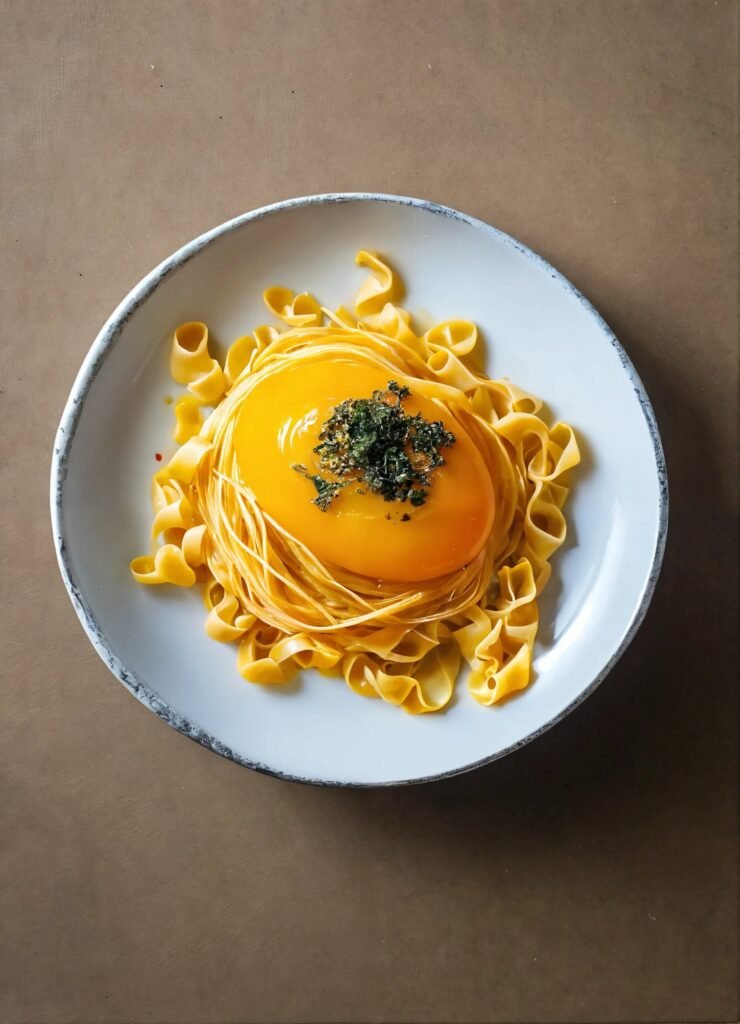
    Cured egg yolk has been gaining popularity in recent years, especially in the culinary world. This unique ingredient offers a rich, savory flavor that can enhance a variety of dishes, from salads to pastas to sandwiches. But what exactly is cured egg yolk, and how is it made?

    Cured egg yolk is essentially a preserved egg yolk that has been treated with salt and sometimes sugar, and then dried. The process of curing the yolk not only adds flavor, but also changes the texture, making it firmer and easier to grate or crumble.

    Cured egg yolk has a deep, umami flavor that can be compared to Parmesan cheese or soy sauce. It can be used as a seasoning or garnish, adding a burst of flavor and richness to any dish.

    To make cured egg yolk, the yolks are separated from the whites and placed in a mixture of salt and sugar.

    The yolks are then covered and left to cure in the refrigerator for several days, until they are firm and dry.

    The cured yolks can be grated or crumbled over dishes, adding a unique flavor and texture.

    Cured egg yolk is a versatile ingredient that can be used in a variety of dishes, and is a great way to add depth and complexity to your cooking.

    History of Cured Egg Yolks

    Cured egg yolks are a popular ingredient in many cuisines around the world.

    The curing process involves preserving the egg yolks by salting and dehydrating them, resulting in a concentrated and flavorful ingredient that can be grated or shaved over dishes.

    The history of cured egg yolks dates back centuries ago. In ancient China, salted egg yolks were used as a way to preserve eggs for long periods of time.

    The technique eventually spread to other parts of Asia, where it became a popular ingredient in many dishes.

    In Europe, cured egg yolks were traditionally used in Italian cuisine, where they are known as “bottarga.” Bottarga is made from the roe of tuna or mullet, but the technique of curing egg yolks is similar.

    It was often grated over pasta dishes or used as a seasoning in soups and stews.

    In recent years, cured egg yolks have gained popularity in the United States and other Western countries. They are often used as a garnish on dishes such as salads, pastas, and sandwiches, adding a rich umami flavor and a pop of color.

    Overall, the history of cured egg yolks spans across different cultures and cuisines, with each region adding its own unique twist to the technique. Today, cured egg yolks continue to be a versatile ingredient in many dishes around the world.

    Basic Ingredients

    Cured egg yolk is a delicious and versatile ingredient that can add flavor and texture to a variety of dishes. The basic ingredients required to make cured egg yolk are simple and easy to find.

    To make cured egg yolk, you will need:

    • Fresh eggs
    • Salt

    The simplicity of the ingredients is what makes cured egg yolk so appealing. The quality of the eggs is important, so it is recommended to use fresh, high-quality eggs.

    The amount of salt used in the curing process can vary depending on personal preference and the recipe being used. A general rule of thumb is to use about 1/4 cup of salt per cup of egg yolks.

    It is worth noting that some recipes may call for additional ingredients such as sugar, spices, or herbs to add flavor to the cured egg yolks. However, these are not necessary for the basic recipe.

    Overall, the basic ingredients for cured egg yolk are simple and easy to find. With just fresh eggs and salt, you can create a delicious and versatile ingredient that can be used in a variety of dishes.

    Curing Process

    Mixing the Cure

    To begin the process of curing egg yolks, the first step is to create a curing mixture. This mixture typically consists of a combination of salt and sugar in a 1:1 ratio.

    Additional seasonings, such as black pepper or smoked paprika, can also be added to enhance the flavor of the cured yolks.

    The curing mixture should be mixed together thoroughly in a bowl. It is important to ensure that the mixture is evenly distributed, as this will ensure that the yolks cure evenly.

    Curing Time

    Once the curing mixture has been mixed together, the yolks can be added to the mixture.

    The yolks should be gently placed on top of the curing mixture and then covered with additional curing mixture.

    The curing time for the yolks will vary depending on the desired level of firmness. Typically, the yolks should be cured for 3-5 days. It is important to flip the yolks over every 12 hours to ensure that they cure evenly.

    Rinsing and Drying

    After the curing time has elapsed, the yolks should be removed from the curing mixture. They should be rinsed under cold water to remove any excess curing mixture.

    Once the yolks have been rinsed, they should be dried thoroughly. This can be done by placing them on a wire rack and allowing them to air dry for several hours. Alternatively, they can be placed in a dehydrator set to 150°F for 2-3 hours.

    Once the yolks have been dried, they can be grated or sliced and used as a flavorful addition to many dishes.

    Herbs and Spices

    Cured egg yolk is a versatile ingredient that can be used to add a unique flavor to a variety of dishes.

    One way to enhance the flavor of cured egg yolk is to add herbs and spices during the curing process. Some popular herbs and spices that can be used include thyme, rosemary, garlic, and black pepper.

    Thyme and rosemary add a subtle, earthy flavor to the cured egg yolk, while garlic and black pepper provide a more robust and spicy taste.

    To incorporate these herbs and spices, simply mix them with the salt and sugar mixture used for curing the egg yolks. The result is a flavorful cured egg yolk that can be grated over salads, pastas, and other dishes.

    Infused Cures

    Another way to add flavor to cured egg yolk is to use infused cures. Infused cures involve adding a liquid, such as soy sauce or Worcestershire sauce, to the curing mixture.

    The liquid is absorbed by the egg yolk during the curing process, resulting in a unique and flavorful cured egg yolk.

    Soy sauce is a popular choice for infused cures as it adds a savory umami flavor to the egg yolk.

    Worcestershire sauce, on the other hand, provides a tangy and slightly sweet taste. Other liquids that can be used for infused cures include balsamic vinegar, honey, and maple syrup.

    Infused cures can be customized to suit individual tastes, and the possibilities are endless. By experimenting with different liquids and flavor combinations, one can create a truly unique and flavorful cured egg yolk.

    Uses in Cuisine

    Cured egg yolk is a versatile ingredient that can be used in a variety of dishes to add unique flavor and texture. Here are some common uses in cuisine:

    • Grated over pasta dishes: Cured egg yolk can be grated over pasta dishes such as carbonara or spaghetti alle vongole to add a rich, salty flavor.
    • As a garnish: Cured egg yolk can be sliced or grated and used as a garnish on salads, soups, or other dishes to add a pop of color and flavor.
    • In sauces: Cured egg yolk can be used to make sauces such as aioli or hollandaise, adding a rich, creamy texture and a salty flavor.
    • As a coating: Cured egg yolk can be ground into a powder and used as a coating for meats or vegetables, adding a unique flavor and texture.

    Cured egg yolk is also a popular ingredient in modernist cuisine, where it is used to create unique textures and flavors in dishes such as foams and emulsions.

    Overall, cured egg yolk is a versatile ingredient that can add depth and complexity to a wide range of dishes.

    Storage and Preservation

    Cured egg yolk can last for several months if stored properly. Here are some tips to ensure the longevity of your cured egg yolks:

    • Store the cured egg yolks in an airtight container to prevent moisture and odors from affecting their quality.
    • Keep the container in a cool, dry place, away from direct sunlight.
    • If you want to extend the shelf life of your cured egg yolks even further, you can store them in the refrigerator or freezer.

    When storing cured egg yolks in the refrigerator or freezer, it’s important to take the following steps:

    • Wrap each cured egg yolk in parchment paper or plastic wrap to prevent them from sticking together.
    • Place the wrapped cured egg yolks in an airtight container or freezer bag to prevent freezer burn or contamination from other foods.
    • Label the container or bag with the date of storage to keep track of their freshness.

    It’s important to note that the texture of the cured egg yolk may change slightly after being frozen, but it will still be safe to eat. To thaw frozen cured egg yolks, simply remove them from the freezer and let them sit at room temperature for a few hours.

    By following these storage and preservation tips, you can enjoy the rich, savory flavor of cured egg yolks for months to come.

    Health and Nutrition

    Cured egg yolk is a highly nutritious food that is rich in protein, healthy fats, and essential vitamins and minerals. Here are some of the key health benefits of consuming cured egg yolk:

    High in Protein

    Cured egg yolk is a great source of protein, which is essential for building and repairing muscles, tissues, and cells. One large cured egg yolk contains around 6 grams of protein, which is equivalent to the amount of protein in one small chicken breast.

    Rich in Healthy Fats

    Cured egg yolk is also high in healthy fats, including monounsaturated and polyunsaturated fats, which can help improve heart health and reduce the risk of chronic diseases. One large cured egg yolk contains around 5 grams of fat, of which 2 grams are saturated.

    Packed with Vitamins and Minerals

    Cured egg yolk is a good source of several essential vitamins and minerals, including vitamin A, vitamin D, vitamin E, and calcium. These nutrients are important for maintaining healthy bones, teeth, skin, and eyes, as well as supporting immune function and overall health.

    Overall, cured egg yolk can be a healthy addition to a balanced diet, offering a range of important nutrients in a delicious and versatile form.

    Troubleshooting Common Issues

    Cured egg yolk is a delicious and versatile ingredient that can be used in a variety of dishes.

    However, there are some common issues that can arise when making cured egg yolk. Here are some troubleshooting tips to help you avoid these problems and get the best results.

     Yolk is too salty

    If your cured egg yolk is too salty, it may be because you used too much salt in the curing process. To avoid this issue, be sure to measure your salt carefully and use the recommended amount.

    If your yolk is already too salty, you can try soaking it in water for a few hours to remove some of the salt. Alternatively, you can grate the yolk and use it sparingly in dishes to avoid overpowering the other flavors.

     Yolk is too soft or runny

    If your cured egg yolk is too soft or runny, it may not have been cured long enough. To ensure that your yolk is fully cured, be sure to follow the recommended curing time and temperature.

    If your yolk is already too soft, you can try re-curing it for a longer period of time. Alternatively, you can use it in dishes that require a softer texture, such as pasta or risotto.

    Yolk is discolored or has an off flavor

    If your cured egg yolk is discolored or has an off flavor, it may be because of poor quality eggs or improper storage. To avoid this issue, be sure to use fresh, high-quality eggs and store them properly before curing.

    If your yolk is already discolored or has an off flavor, it may not be salvageable. It’s best to discard it and start again with fresh eggs.

    By following these troubleshooting tips, you can avoid common issues when making cured egg yolk and enjoy this delicious ingredient in all your favorite dishes.

    Innovative Recipes and Techniques

    Cured egg yolk is a versatile ingredient that can be used in a variety of dishes to add a rich, savory flavor. Here are some innovative recipes and techniques to try:

    1. Cured Egg Yolk Pasta

    Cured egg yolk can be grated over pasta to add a unique flavor and texture. To make the pasta, mix flour and eggs in a bowl and knead until smooth.

    Roll out the dough and cut into thin strips. Boil the pasta until al dente and toss with olive oil, grated cured egg yolk, and salt and pepper to taste.

    2. Cured Egg Yolk Salad Dressing

    Cured egg yolk can be used as a base for a delicious salad dressing. Mix grated cured egg yolk, Dijon mustard, lemon juice, olive oil, and salt and pepper to taste. Whisk until smooth and pour over your favorite salad.

    3. Cured Egg Yolk Deviled Eggs

    Cured egg yolk can be used to make a unique twist on classic deviled eggs.

    Boil eggs and cut in half. Remove the yolks and mix with mayonnaise, grated cured egg yolk, Dijon mustard, and salt and pepper to taste. Spoon the mixture back into the egg whites and garnish with chopped chives.

    4. Cured Egg Yolk Butter

    Cured egg yolk can be incorporated into butter to add a rich, savory flavor. Mix softened butter and grated cured egg yolk until smooth. Spread on bread or use as a topping for grilled meats.

    These innovative recipes and techniques demonstrate the versatility of cured egg yolk and how it can be used to elevate a variety of dishes.

  • How to Cook Smash Burgers on a Griddle

    How to Cook Smash Burgers on a Griddle

    Griddles are a popular choice for cooking up delicious smash burgers, and for good reason. They provide even heat, consistent cooking, and a large surface area for cooking multiple patties.

    In this article, we’ll reveal the perfect temperature for a smash burger griddle, a recipe for the best smash burger on a griddle, and our top picks for the best burger griddles.

    Smash Burger Griddle Temperature:

    The key to a perfect smash burger is cooking it at the right temperature. You’ll want to preheat your griddle to around 350-375°F (175-190°C) before adding your patties.

    This temperature range allows for a nice sear on the outside while still cooking the inside to your desired level of doneness.

    Smash Burger Griddle Recipe:

    Ingredients:

    * 80/20 ground beef (2 lbs for 4 burgers)
    * Salt and pepper to taste
    * American cheese slices (optional)
    * Butter
    * Your favorite burger toppings (lettuce, tomato, onion, pickles, etc.)
    * Burger buns

    Instructions:

    1. Preheat your griddle to 350-375°F (175-190°C).
    2. Divide the ground beef into 4 equal portions and form them into loose balls, about 4 inches in diameter. Do not overwork the meat.
    3. Generously season both sides of each ball with salt and pepper.
    4. Place a small pat of butter on the griddle and allow it to melt.
    5. Place one ball of meat on the griddle and using a sturdy spatula, press down firmly on the ball to create a thin, even patty.
    6. Cook for about 2-3 minutes or until the edges start to brown and the bottom is seared.
    7. Flip the patty and cook for an additional 1-2 minutes for medium doneness. If you prefer your burger more well-done, cook for an additional 1-2 minutes.
    8. If using cheese, add it to the patty during the last 30 seconds of cooking.
    9. Repeat steps 4-8 for the remaining patties.
    10. Assemble your burgers with your favorite toppings and serve immediately.

    Smash Burger : Step-by-step video

    Best Burger Griddle:

    Now that you have the perfect recipe and temperature, it’s time to choose the best burger griddle for your needs. Here are our top picks:Griddle

    1. Blackstone 36″ Outdoor Flat Top Gas Grill Griddle Station – This large, versatile griddle is perfect for cooking up multiple burgers at once. It has a spacious cooking surface and is easy to clean.

    2. Cuisinart 5-in-1 Griddler – This compact griddle is perfect for indoor use and can be used for a variety of cooking tasks. It has adjustable temperature control and a locking lid for easy storage.

    3. Lodge Pre-Seasoned Cast Iron Reversible Grill/Griddle – This durable, versatile griddle is great for both indoor and outdoor use. It has a large cooking surface and is easy to clean.

    Cooking smash burgers on a griddle is a delicious and fun way to enjoy a classic American dish. With the right temperature, recipe, and griddle, you’ll be able to create the perfect smash burger every time. Happy griddling!

  • What Does Raw Egg Taste Like?

    What Does Raw Egg Taste Like?

    Raw eggs have a relatively mild and somewhat bland taste, with the yolk often described as being richer and creamier compared to the white. It also has a slightly viscous texture, while some people may detect a subtle hint of sweetness.

    Some may find the taste and texture off-putting, while others may enjoy it.

    The taste of a raw egg can vary depending on factors such as the egg’s freshness, the hen’s diet, and even the breed of the chicken.

    Fresh eggs from pasture-raised chickens may have a cleaner, more vibrant flavor compared to eggs from caged hens or those that have been sitting in a grocery store for an extended period.

    However, it’s important to note that consuming raw eggs carries a risk of foodborne illness, so it’s generally not recommended unless the eggs are pasteurized or used in a dish that’s specifically designed to be consumed raw, such as certain desserts like tiramisu or homemade mayonnaise

    To truly understand the taste of a raw egg, one must first consider its components.

    An egg consists of two main parts: the egg white (albumen) and the yolk.

    These components offer distinct flavors and textures, both individually and when combined.

    When raw, the white is translucent and slightly viscous. Its flavor is often described as mild, slightly salty, and with a subtle hint of sweetness.

    The texture is smooth and slippery, with a slight gelatinous quality.

    The yolk is the star of the show. It has a creamy consistency and a vibrant golden color. Its taste is more pronounced compared to the egg white, and it’s often what distinguishes the overall taste of a raw egg.

    When combined, the egg white and yolk create a harmonious balance of flavors and textures.

    While some culinary enthusiasts enjoy the taste of raw egg in certain dishes, such as Caesar salad dressing or homemade aioli, others prefer to consume eggs only after they’ve been cooked.

    Cooking not only alters the taste and texture of eggs but also eliminates the risk of foodborne illness associated with consuming raw or undercooked eggs, such as salmonella contamination.

    • Is it good to eat a raw egg?

    Consuming raw eggs carries the risk of salmonella contamination, which can lead to food poisoning.

    While raw eggs are a good source of protein and nutrients, it’s generally not recommended to eat them raw, especially for vulnerable populations like young children, pregnant women, the elderly, and individuals with weakened immune systems.

    • Are raw eggs salty?

    Raw eggs themselves are not inherently salty. The taste of raw eggs is often described as mild and somewhat bland, with the yolk having a richer, creamier flavor compared to the white.

    However, adding salt to raw eggs can enhance their flavor if desired.

    • 3. How do you make raw eggs taste nice?

    To make raw eggs more palatable, some people add seasoning like salt or pepper.

    Others incorporate raw eggs into recipes where they’re not as noticeable, such as in smoothies, salad dressings, or certain desserts like tiramisu.

    Additionally, combining raw eggs with other flavorful ingredients can help improve their taste.

    • What is the taste of egg?

    Raw eggs have a relatively mild and somewhat bland taste, with the yolk being richer and creamier compared to the white.

    • Which is better, boiled or raw egg?

    Both boiled and raw eggs have their own sets of pros and cons. Boiled eggs are generally safer to consume as they eliminate the risk of salmonella contamination.

    However, some people prefer the taste and texture of raw eggs, especially when incorporated into certain dishes. It ultimately depends on personal preference and dietary considerations.

    •  Is raw egg good for men?

    Raw eggs, like cooked eggs, are a good source of protein and various nutrients such as vitamin B12 and vitamin A.  It’s important to weigh the potential benefits against the risks and consider safer alternatives for obtaining these nutrients.

    In conclusion, the taste of a raw egg is a unique experience that can vary depending on individual preferences and factors such as freshness and sourcing.


  • Are hot dogs keto friendly?

    Are hot dogs keto friendly?

    Yes. Hot dogs can be suitable for a ketogenic diet if consumed without the bun or with low-carb alternatives. However, it’s important to check the specific brand and ingredients to ensure they align with the requirements of your ketogenic diet.

    Often referred to as keto, this is a low-carb, high-fat diet that has gained popularity in recent years. The main idea behind this diet is to drastically reduce carbohydrate intake and replace it with fat.
    By doing so, the body enters a state of ketosis, where it burns fat for fuel instead of relying on carbohydrates. This shift in metabolism can lead to weight loss and other potential health benefits.

    Nutritional Composition of Hot Dogs

    When following the ketogenic diet, it’s important to pay attention to the nutritional composition of the foods you consume.

    Hot dogs are typically made from a combination of meats, such as beef, pork, or poultry, along with added spices and preservatives. They are high in fat and protein, but can also contain significant amounts of sodium and other additives.

    It’s crucial to read labels and opt for hot dogs with minimal or no added carbohydrates. Additionally, it’s worth noting that while hot dogs are a good source of protein, they also often contain fillers and preservatives.

    Choose high-quality hot dogs that fit within your macronutrient goals while following the ketogenic diet.

    Carbohydrate Content in Hot Dogs

    Hot dogs generally have a low carbohydrate content. Most hot dog buns, however, are high in carbohydrates, so if you’re following a low-carb diet like the ketogenic diet, it’s best to skip the bun and enjoy the hot dog on its own or wrapped in lettuce.

    Carbohydrates, especially those from refined sources, can spike blood sugar levels and hinder the body’s ability to enter into a state of ketosis.

    This is particularly important for individuals on a keto-friendly diet, where the primary goal is to restrict carbohydrate intake to encourage the body to burn fat for fuel instead.

    Hot dogs picture

     Protein content in Hot Dogs

    Protein is an essential nutrient that plays a vital role in building and repairing tissues. When it comes to hot dogs, the protein content can vary depending on the brand and type of hot dog.

    On average, a standard-sized hot dog provides approximately 5-7 grams of protein.

    However, it’s important to note that the protein in hot dogs is not considered to be of high quality. This is because it lacks some essential amino acids, the building blocks of protein that our bodies cannot produce on their own.

    Therefore, hot dogs should not be relied upon as the primary source of protein in your diet.

    High sodium content in hot dogs

    Hot dogs can be high in sodium. The sodium content can vary depending on the brand and type of hot dog, but it’s typically higher than other meats. It’s recommended to consume hot dogs in moderation and be mindful of your overall sodium intake.

    Are there alternatives to traditional hot dogs?

    Yes, there are healthier alternatives to traditional hot dogs. Look for hot dogs made from lean meats, such as turkey or chicken, and without added preservatives or artificial ingredients. Additionally, you can consider using lettuce wraps or low-carb buns for a healthier hot dog option.

    Can hot dogs be part of a balanced diet?

    Hot dogs can be part of a balanced diet when consumed in moderation and as part of an overall healthy eating plan. It’s important to consider the nutritional composition of hot dogs and balance them with other nutrient-dense foods, such as vegetables, whole grains, and lean proteins.

    Here are some Ket0 hot dog recipes to help you with your goals.

    Keto hot dog recipes

    1. Keto Hot Dog with Cloud Bread
      • Replace traditional hot dog buns with homemade cloud bread made from eggs, cream cheese, and baking powder.
      • Cook your favorite keto-friendly sausage or hot dog.
      • Fill the cloud bread with the cooked sausage, along with low-carb condiments like mustard, sugar-free ketchup, and relish.
      • Optionally, add toppings like sliced avocado, lettuce, and cheese.
    2. Bunless Bacon-Wrapped Hot Dogs
      • Wrap each hot dog in a slice of bacon.
      • Grill or bake the bacon-wrapped hot dogs until the bacon is crispy and cooked through.
      • Serve with keto-friendly toppings such as sliced jalapeños, sugar-free barbecue sauce, and diced onions.
      • Enjoy the hot dogs without the bun to keep the meal low-carb.
    3. Keto Chili Cheese Dog Casserole
      • Preheat your oven and grease a baking dish.
      • Cook keto-friendly hot dogs or sausages and slice them into bite-sized pieces.
      • Layer the hot dog slices in the baking dish.
      • Top with a low-carb chili (made with ground beef, tomatoes, and spices) and shredded cheese.
      • Bake until the cheese is melted and bubbly.
      • Garnish with chopped green onions or fresh parsley before serving.
    4. Low-Carb Hot Dog Skewers
      • Thread pieces of cooked hot dog or sausage onto skewers, alternating with low-carb vegetables like cherry tomatoes, bell peppers, and mushrooms.
      • Grill or roast the skewers until the hot dogs are heated through and the vegetables are tender.
      • Serve with keto-friendly dipping sauces such as ranch dressing or garlic aioli.
    5. Keto Hot Dog Salad
      Hot dog picture salad
      Hot dog salad
      • Prepare a bed of mixed greens or shredded lettuce in a large bowl.
      • Cook your favorite keto-friendly hot dogs or sausages and slice them into rounds.
      • Arrange the hot dog slices on top of the salad greens.
      • Add toppings such as diced avocado, onions, crumbled bacon, shredded cheese, and sliced olives.
      • Drizzle with a low-carb salad dressing, such as ranch or Caesar, and toss to combine.
  • Best oil for popcorn

    Best oil for popcorn

    When it comes to movie nights or casual gatherings, popcorn often takes center stage as the quintessential snack. But what truly elevates this simple treat to gourmet status? The answer lies in the choice of oil used in making it.

    The best oil for popcorn not only enhances its flavor but also determines its texture and overall quality.
     While traditionalists swear by coconut oil for its rich, buttery flavor and ability to withstand high temperatures without burning, others opt for healthier alternatives like avocado or grapeseed oil, prized for their neutral taste and high smoke points.
     In this guide, we’ll explore the nuances of various oils commonly used for popping corn, delving into their flavor profiles, smoke points, and nutritional benefits.

    Grapeseed oil

    Grapeseed oil has a high smoke point, which means it can withstand the high temperatures needed for popping popcorn without burning. It also has a very mild flavor.
    This allows the natural taste of the popcorn to come through without being overpowered by the oil. Additionally, grapeseed oil is lower in saturated fat compared to some other oils like coconut oil or butter, making it a healthier option for those watching their fat intake.
    Grape seeds
    Grape seeds


    Overall, using grapeseed oil for popping popcorn can result in a tasty and healthier snack.

    Olive Oil

    The use of olive oil dates back centuries, and it has been a staple in Mediterranean cuisine. Its rich flavor and versatility make it a popular choice for cooking, dressing salads, and drizzling over dishes.

    Olive Oil (Unsplash)

    Thanks to its high content of monounsaturated fats and antioxidants, olive oil is believed to have various health benefits, such as reducing inflammation and lowering the risk of heart disease and stroke.
    When selecting olive oil, it’s important to pay attention to the labeling. Extra virgin olive oil is the least processed and retains the most natural flavors and nutrients. It is ideal for salad dressings and dishes where a robust olive flavor is desired.
    On the other hand, olive oil labeled as “pure” or “light” has gone through more processing, making it milder in flavor and suitable for high-heat cooking methods like sautéing and frying.

    Coconut Oil

    Coconut oil has gained popularity in recent years for its versatile uses and health benefits. Extracted from the kernel of coconuts, this oil is rich in medium-chain fatty acids such as lauric acid, which are known for their potential to promote heart health.

    Coconut Oil (4404443713)

    Additionally, coconut oil’s high smoke point makes it suitable for cooking at high temperatures without generating harmful compounds.

    In addition to its culinary benefits, coconut oil has been utilized for skincare and haircare purposes. Its moisturizing properties make it a popular ingredient in natural beauty products, such as lotions and conditioners.

    The antibacterial and anti-inflammatory properties of coconut oil may also aid in treating skin conditions like eczema and promoting scalp health.

    Canola Oil

    Canola plant picture
    Canola plant
    Canola oil is derived from the seeds of the canola plant, which is a member of the Brassica family. The oil is known for its mild flavor and high smoke point, making it a versatile option for cooking various dishes.
    Additionally, canola oil is low in saturated fats and rich in monounsaturated fats, which are considered heart-healthy.
    When it comes to nutritional value, canola oil is a good source of omega-3 fatty acids, which are essential for overall health. This oil also contains vitamin E, a powerful antioxidant.
    With its neutral taste and beneficial properties, canola oil is a popular choice for both cooking and baking purposes.

    Avocado Oil

    Avocado oil is extracted from the flesh of the avocado fruit and is known for its rich, nutty flavor. This oil is highly versatile and can be used for both cooking and cosmetic purposes.

     With its high smoke point, avocado oil is great for sautéing, roasting, and frying various dishes without burning or compromising its nutritional properties. It is rich in monounsaturated fats, which are beneficial for heart health and reducing inflammation in the body.

    Additionally, avocado oil is a great source of antioxidants, such as lutein and zeaxanthin, which are essential for eye health.

    The oil also contains vitamins E and K, which help nourish the skin and promote collagen production. Incorporating avocado oil into your daily regimen can contribute to overall well-being, inside and out.

    Peanut Oil

    Peanut oil, known for its high smoke point, is a popular choice for frying and deep-frying due to its ability to withstand high temperatures without burning.

    The mild, nutty flavor of peanut oil also adds a distinctive taste to dishes, making it a versatile option for both savory and sweet recipes.

    Peanut oil contains monounsaturated fats, which are considered heart-healthy fats that may help reduce the risk of heart disease. This type of oil also contains vitamin E.

  • What is Käsekrainer?

    What is Käsekrainer?

    Käsekrainer is a type of Austrian sausage popular in Austria and neighboring countries like Germany and Slovenia.

    It is a variation of the traditional sausage known as “Krainer” or “Krainerwurst.”
    What sets Käsekrainer apart is its filling, which includes small pockets of Emmental or Swiss cheese inside the sausage.
    The sausage itself is typically made from a mixture of pork and beef, seasoned with spices such as salt, pepper, garlic, and paprika. The addition of cheese adds a rich, creamy texture and a burst of flavor when the sausage is cooked.
    Käsekrainer is often grilled or pan-fried until the casing is crispy and the cheese inside is melted and gooey. It is commonly served with mustard, ketchup, or horseradish, along with a side of bread or French fries.
    In Austria, it is a popular street food item, often enjoyed at festivals, markets, and outdoor events.

    How do you eat Käsekrainer?

    When it comes to enjoying Käsekrainer, a popular Austrian sausage filled with cheese, there are a few traditional ways to savor this delectable dish.
    One common method is to pair it with a hearty serving of fresh bread or a crispy roll. The combination of the savory sausage and the soft, warm bread creates a satisfying contrast in textures.
    Another way to eat Käsekrainer is to serve it alongside a dollop of tangy mustard or a side of flavorful sauerkraut.
    The sharpness of the mustard or the acidity of the sauerkraut complements the richness of the cheese-infused sausage, adding depth to each bite.
     
    Bratwurst on the grill

    Käsekrainer pronunciation

    The pronunciation of Käsekrainer can be a bit tricky for those unfamiliar with the German language. The correct way to say it is “kee-zeh-cry-ner.

    History of Käsekrainer

    Käsekrainer, a popular sausage originating from Austria, has a rich history dating back to the 1980s. The name “Käsekrainer” itself is derived from the German words “Käse,” which means cheese, and “Krainer,” referring to the traditional Krainer sausage.
    Created in the region of Styria, Käsekrainer gained popularity across Austria and beyond, due to its flavorful taste and satisfying texture.

    Over time, it has become a staple street food in Austrian markets, festivals, and restaurants.

    The recipe for Käsekrainer has evolved over the years, with variations incorporating different types of cheese and seasonings to suit diverse palates.

    What cheese is in Käsekrainer?

    Käsekrainer is a savory Austrian sausage that contains Emmental cheese.
    Emmental cheese
    Emmental cheese

    The cheese is mixed into the sausage meat to create a deliciously rich and gooey center once the sausage is cooked.

    Emmental cheese is known for its nutty and slightly sweet flavor, which adds an extra dimension to the already flavorful sausage.

    Käsekrainer recipe

    To prepare a delicious Käsekrainer, start by combining finely ground pork or beef with grated Emmental cheese, water, salt, pepper, garlic, and other spices in a large mixing bowl.

    Mix the ingredients until well combined, ensuring the cheese is evenly distributed throughout the meat. Once the mixture is ready, divide it into equal portions and shape them into sausage links.

    Next, preheat a grill or skillet over medium heat and cook the Käsekrainer sausages for about 10–15 minutes, turning occasionally to ensure even cooking

    The sausages should be cooked through and slightly charred on the outside.

     How to cook Käsekrainer

    To cook Käsekrainer, start by heating a pan over medium heat. Add a touch of oil to the pan and place the sausages on it, allowing them to cook until they are nicely browned on all sides. Remember to turn them frequently to ensure even cooking throughout.

    Once the Käsekrainer is golden and heated through, remove them from the pan and let them rest for a few minutes before serving.

    This will help the flavors settle and the cheese inside to melt slightly, enhancing the overall taste of the sausage.

    Enjoy your delicious Käsekrainer with your favorite side dishes or as a standalone treat!

    What to serve with Käsekrainer

    When it comes to enjoying Käsekrainer, selecting the ideal side dishes can elevate your culinary experience.Käsekrainer Pairing this savory sausage with some bread, pickles, and mustard offers a delightful experience.

    Alternatively, serving Käsekrainer with a fresh, zesty salad can provide a refreshing balance to the rich flavors of the sausage.

    A simple green salad tossed with a tangy vinaigrette dressing can complement the cheesy goodness of the Käsekrainer and add a pop of brightness to each bite.

  • Is Falafel gluten free?

    Is Falafel gluten free?

    Falafel can contain gluten, depending on how it is prepared. Traditional falafel recipes often include wheat flour to help bind the ingredients together, making them not gluten-free.

    However, there are gluten-free falafel recipes available that use alternatives like chickpea flour or omit flour altogether. When making or buying falafel, it is essential to check the ingredients carefully to ensure it is gluten-free

    Ingredients in Falafel

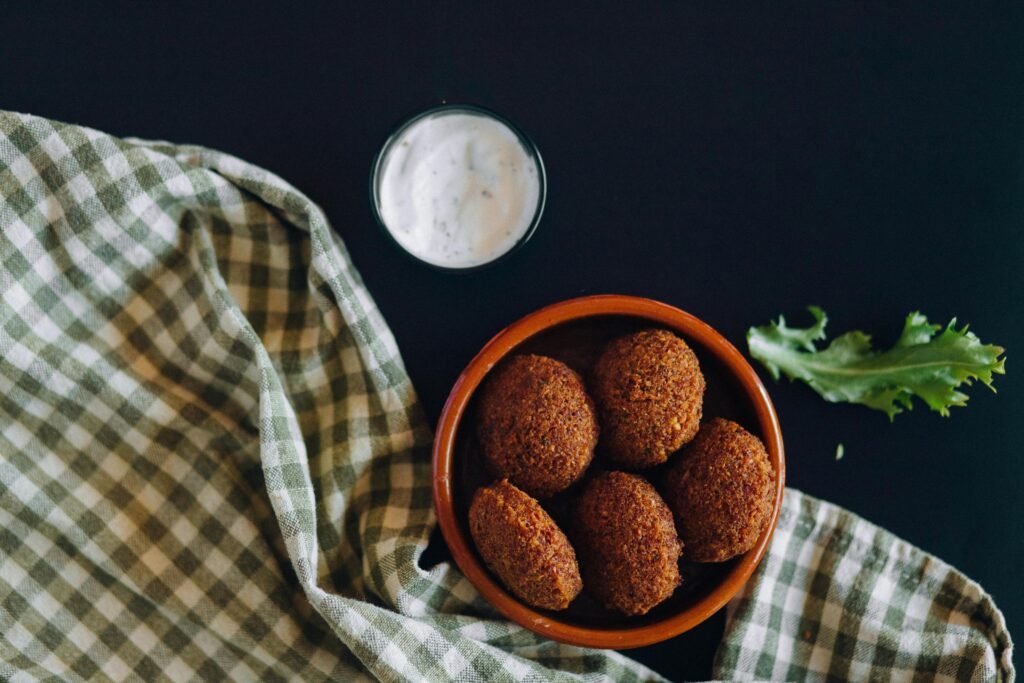
    The main ingredients in traditional falafel include chickpeas, fresh herbs such as parsley and cilantro, garlic, onion, cumin, and coriander. These ingredients are combined and formed into small patties before being fried to perfection.
     Some recipes may also call for the use of flour as a binding agent to help the falafel hold its shape during cooking.
     However, it is important to note that this flour can sometimes contain gluten, which may be problematic for individuals with gluten intolerance or celiac disease.

    It is recommended to opt for gluten-free alternatives such as chickpea flour or rice flour to ensure that the falafel remains suitable for those with gluten sensitivities.

    Gluten and its effects on health

    Gluten, a protein found in wheat, barley, and rye, has gained attention in recent years due to its potential effects on health.

    For individuals with celiac disease, an autoimmune condition triggered by the consumption of gluten, ingesting even small amounts of this protein can lead to severe intestinal damage and other complications.

    Symptoms of celiac disease can vary widely and may include digestive issues, fatigue, skin rashes, and nutrient deficiencies.

    While not as severe as celiac disease, gluten sensitivity can still significantly impact one’s quality of life.

    It is important for individuals experiencing recurring symptoms after consuming gluten-containing foods to consult with a healthcare professional for a proper evaluation and diagnosis.

    Falafel Con Pistachos (121423687)

    Is wheat used in falafel?

    Wheat is traditionally used in falafel as a binding agent. It helps hold the mixture of ground chickpeas or fava beans, herbs, and spices together before frying.

    The wheat flour acts as a glue that prevents the falafel mixture from falling apart during the cooking process.

    However, there are variations of falafel recipes that do not include wheat.

    Some recipes use alternative gluten-free flours, like chickpea flour or rice flour, as substitutes for wheat flour.

    These alternatives still provide the necessary binding element without gluten, making them suitable for those with gluten intolerance or celiac disease.

    Cross-contamination in falafel preparation

    Cross-contamination is a significant concern when preparing falafel, particularly for individuals with gluten intolerance or celiac disease.

    This risk can occur when equipment such as fryers, utensils, or countertops come into contact with gluten-containing ingredients, leading to the unintentional transfer of gluten to traditionally gluten-free foods like falafel.

    By maintaining a clean and organized kitchen space, regularly sanitizing equipment, and using separate utensils for gluten-free items, the risk of cross-contamination can be significantly reduced, allowing individuals with gluten intolerance to enjoy falafel safely.

    Gluten-free alternatives to traditional falafel ingredients

    Chickpeas are the primary ingredient in traditional falafel, lending the dish its signature texture and taste.

    For a gluten-free option, consider using alternative grains such as quinoa or millet. These alternatives not only provide a similar texture to chickpeas but also offer additional nutritional benefits.

    Additionally, roasted sweet potatoes or butternut squash can serve as a tasty and hearty substitute for chickpeas in gluten-free falafel recipes.

    When it comes to binding agents in gluten-free falafel, flaxseed meal or chia seeds can be used instead of traditional wheat flour or breadcrumbs.

    These options are not only rich in fiber but also aid in creating a cohesive mixture for shaping the falafel balls. Moreover, incorporating ground almonds or cashews into the falafel mixture can add a delicious nutty flavor while ensuring a gluten-free preparation.

    Tips for making gluten-free falafel at home

    When making gluten-free falafel at home, it’s crucial to start with gluten-free ingredients.

    Opt for chickpea flour or a combination of chickpeas and gluten-free oats instead of traditional wheat flour. Ensure that all spices and seasonings used are also certified gluten-free to avoid any potential cross-contamination risks.

    Another tip is to mix your falafel ingredients thoroughly to achieve the right texture. Adding a bit of water gradually can help bind the mixture without the need for gluten-containing ingredients.

    Once the mixture is ready, shape the falafel balls and either bake or fry them using gluten-free oil to achieve a crispy exterior. Enjoy your homemade gluten-free falafel with your favorite toppings and sauces!

    How to check if falafel is gluten-free when dining out

    When dining out and hoping to enjoy falafel without gluten, it’s essential to communicate your dietary needs clearly to the restaurant staff.

    Start by asking if their falafel is made with any wheat-based ingredients. Inquire about the possibility of cross-contamination during preparation, particularly if the falafel is fried in the same oil as gluten-containing foods.

    Consider asking for the list of ingredients used in their falafel recipe to ensure there are no hidden sources of gluten.

    Some establishments may even have a separate gluten-free menu or can offer alternative options to traditional falafel ingredients.

    Don’t hesitate to request information on how the falafel is cooked and if any precautions are taken to avoid gluten contamination. By being proactive and inquiring about these details, you can enjoy your falafel meal with peace of mind.

  • What does Tzatziki taste like

    What does Tzatziki taste like

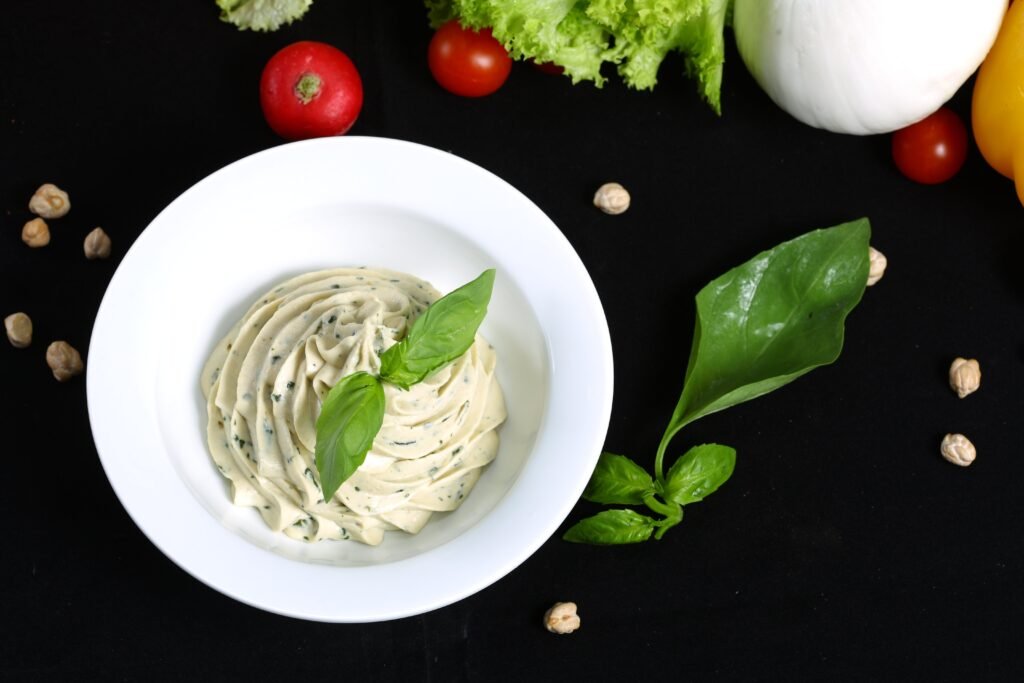
    Tzatziki is a popular Greek sauce or dip that has a tangy flavor profile. Its primary ingredients typically include yogurt, cucumber, garlic, olive oil, and herbs such as dill or mint.

    The taste of tzatziki can be described as:

    • Creamy: The yogurt provides a creamy base, giving tzatziki a smooth and rich texture.
    • Tangy: The yogurt and lemon juice or vinegar contribute a tangy flavor to the sauce.
    • Garlicky: The addition of fresh garlic gives tzatziki a distinct and savory garlic flavor. The intensity of the garlic can vary based on personal preferences and regional variations.
    • Fresh: The cucumber adds a crisp and fresh element to the sauce, contributing both flavor and texture.
    • Herbaceous: Dill or mint is commonly used to enhance the sauce with herbal notes, adding a layer of freshness and complexity.
    • 02021 0428 (2) Eiersalat
    1. Slightly Salty: Depending on the type of yogurt and the amount of salt added, tzatziki can have a subtle saltiness that enhances its overall flavor profile.
    2. Cooling: Tzatziki is often served chilled, making it a cooling accompaniment that can balance out the heat from spicy dishes or grilled meats.
    3. Citrusy: If lemon juice is used in the recipe, it imparts a citrusy brightness to the tzatziki, enhancing the overall freshness.
    4. Mild Sweetness: The natural sweetness from the yogurt and sometimes the cucumber can provide a subtle, pleasant sweetness to the sauce.

     What does Tzatziki go well with?

    Tzatziki is a versatile and enjoyable condiment that complements a wide range of dishes and adds a burst of Mediterranean flair to your palate.

    Tzatziki is an incredibly versatile condiment, and it pairs well with a variety of dishes. Here are some popular options:

    1. Gyros or Souvlaki: Tzatziki is a classic accompaniment for Greek gyros or souvlaki (grilled meat skewers). It adds a cool and tangy contrast to the savory grilled meats.
    2. Pita Bread: Tzatziki makes an excellent dip for warm pita bread. The creamy and flavorful sauce complements the soft texture of the bread.
    3. Vegetable Sticks: Serve tzatziki as a dip for fresh vegetable sticks like cucumber, carrots, celery, or bell peppers. The cool and tangy dip enhances the natural flavors of the vegetables.
    4. Falafel: Tzatziki is a popular topping for falafel sandwiches or wraps. The combination of the crispy falafel with the creamy tzatziki is delicious.
    5. Grilled Meats: Use tzatziki as a sauce for grilled meats such as chicken, lamb, or beef. It adds moisture and flavor to the meat.Greek salad and Tzatziki
    6. Burgers and Sandwiches: Tzatziki can be used as a condiment for burgers or sandwiches, giving them a Mediterranean twist.
    7. Mediterranean Bowls: Include tzatziki in Mediterranean-style bowls with ingredients like olives, tomatoes, feta cheese, and grains such as quinoa or couscous.
    8. Baked Potatoes: Tzatziki can be a tasty topping for baked potatoes, providing a refreshing contrast to the starchy potatoes.
    9. Fish and Seafood: Pair tzatziki with grilled or baked fish and seafood. The bright and tangy flavors complement the seafood well.
    10. Salads: Use tzatziki as a dressing for Greek salads or other green salads. It adds a creamy and flavorful element to the dish.
    11. Rice Dishes: Serve tzatziki alongside rice dishes, especially those with Mediterranean or Middle Eastern flavors.

    Feel free to get creative and experiment with different combinations. Tzatziki’s versatile and well-balanced flavors make it a delightful addition to a wide range of meals.

    What is Tzatziki sauce made of?

    Here’s a traditional recipe for Tzatziki:

    Ingredients:

    • 1 cup Greek yogurt
    • 1 cucumber, finely grated
    • 2 cloves garlic, minced
    • 1 tablespoon extra-virgin olive oil
    • 1 tablespoon fresh lemon juice
    • 1 tablespoon fresh dill, finely chopped
    • Salt and pepper to taste

    Instructions:

    Prepare the Cucumber:

    Wash the cucumber and grate it finely using a box grater. You can peel the cucumber if you prefer, but it’s not necessary.

    Drain the Cucumber:

    Place the grated cucumber in a fine-mesh sieve or cheesecloth over a bowl. Sprinkle a pinch of salt over the cucumber and let it sit for about 15-20 minutes. This helps draw out excess moisture from the cucumber. Afterward, squeeze or press the cucumber to remove as much liquid as possible.

    Prepare the Yogurt:

    In a mixing bowl, combine the Greek yogurt, minced garlic, olive oil, and lemon juice. Mix well until the ingredients are evenly combined.

    Add Cucumber and Herbs:

    Stir in the grated cucumber and chopped fresh dill into the yogurt mixture. Mix thoroughly to ensure even distribution of ingredients.

    Season to Taste:

    Taste the tzatziki and season with salt and pepper according to your preference. Keep in mind that the flavors will meld as the tzatziki rests, so it’s okay to slightly under-season initially.

    Chill:

    Cover the tzatziki and refrigerate for at least 1-2 hours before serving. Chilling allows the flavors to meld and intensify.

    Serve:

    Before serving, give the tzatziki a final stir. You can garnish it with a drizzle of olive oil and a sprinkle of fresh dill if desired.

    Enjoy:

    Serve the tzatziki as a dip with pita bread, alongside grilled meats, or as a refreshing condiment for various dishes.

    This tasty homemade Tzatziki is simple to prepare and offers a deliciously authentic taste.

    You can also make other variations of the traditional Tzatziki recipe: Minty, Spicy, Avocado, and Yogurt and Sour Cream Blend.

    1. Minty Tzatziki:

    Additional Ingredient:

    • 1 tablespoon fresh mint, finely chopped

    Instructions:

    • Add the chopped mint to the traditional Tzatziki recipe during step 4. Mix well to incorporate the mint flavor. This version adds a refreshing and slightly sweet note to the classic Tzatziki.

    2. Spicy Tzatziki:

    Additional Ingredient:

    • 1/2 teaspoon cayenne pepper or a pinch of red pepper flakes

    Instructions:

    • Incorporate the cayenne pepper or red pepper flakes during step 4. Adjust the quantity to your preferred level of spiciness. This version adds a kick to the Tzatziki, making it suitable for those who enjoy a bit of heat.

    3. Yogurt and Sour Cream Blend:

    Additional Ingredient:

    • 1/2 cup plain sour cream in addition to the Greek yogurt

    Instructions:

    • Combine both the Greek yogurt and sour cream in step 3. This version results in a creamier and slightly tangier Tzatziki, offering a different texture and flavor profile.

    4. Avocado Tzatziki:

    Additional Ingredient:

    • 1 ripe avocado, mashed

    Instructions:

    • Mash the ripe avocado and add it during step 3 along with the Greek yogurt. Mix until smooth and well combined. This variation adds a creamy and velvety texture to the Tzatziki, along with the unique flavor of avocado.

    Feel free to experiment with these variations based on your taste preferences. Tzatziki is quite adaptable, and these additions can provide exciting twists to the classic recipe.

  • How to store Okra at home

    How to store Okra at home

    Okra is an important ingredient in the cuisines of many cultures, including West African, Southern United States, Indian, Middle Eastern, and Caribbean cuisines. It is used in traditional dishes passed down through generations.

    It is low in calories and rich in nutrients, including fiber, vitamin C, vitamin K, vitamin A, folate, and antioxidants.  Okra is believed to have several health benefits, including improved digestive health due to its high fiber content.

    When selecting okra, look for small, firm, and bright green ones with no signs of bruising or blemishes. Okra can be stored for up to a week but is best consumed soon after purchase for optimal freshness.

    Storing okra to maintain its freshness and quality can be done in various ways:

    Use a fridge: The best way to store fresh okra is in the refrigerator.

    Place the okra in a perforated plastic bag or a container with a lid. This will help maintain humidity while allowing excess moisture to escape. Store it in the vegetable crisper drawer.

    Cool space: If you prefer not to use the fridge, store okra in a cool, well-ventilated place. A dark pantry or a cellar with good air circulation can work. Keep the okra in a container with a lid or a breathable bag to prevent moisture buildup.

    Drying: To store okra by drying, you can dehydrate it. Wash and slice the okra into rounds, then arrange the slices on a dehydrator tray.

    Follow your dehydrator’s instructions for drying time and temperature. Once dried, store the okra in an airtight container in a cool, dark place. Dried okra is excellent for adding to soups and stews.

    Dried Okra

    Freeze them: Okra can be frozen without blanching; it may result in a slightly softer texture. Simply wash and dry the okra, then slice it.

    Place the slices on a baking sheet and freeze them until they’re solid. Once frozen, transfer them to an airtight container or freezer bag. Use the frozen okra within a few months.

    Long-Term Storage: For long-term storage, consider canning or pickling okra. Canned okra can be stored for an extended period. Follow safe canning practices and use proper canning jars and lids.

    Pickled okra

    After Picking: After harvesting okra from your garden, immediately sort it to remove any damaged or overripe pods. Then, use one of the storage methods mentioned above to keep it fresh.

    Storing Okra Seeds: If you are interested in saving okra seeds, allow a few pods to mature fully on the plant. Once they are fully dry and brown, collect the seeds and store them in a cool, dry place, away from direct sunlight.

    Remember that okra is a highly perishable vegetable; its freshness can deteriorate quickly, especially at room temperature.

    Using the refrigerator or other appropriate storage methods will help prolong its shelf life and preserve its quality.