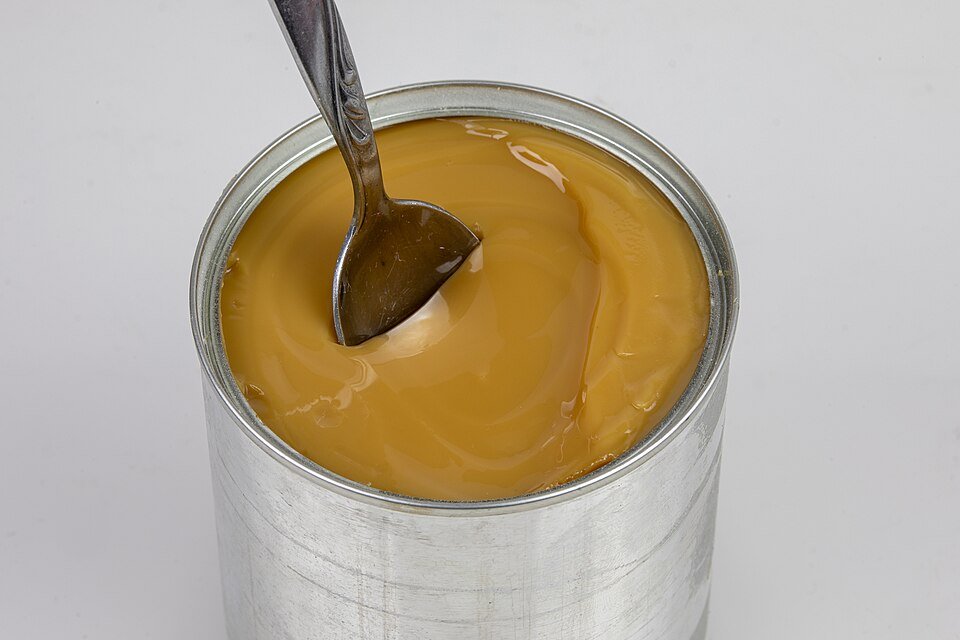
Category: Drinks

  • Is it worth making your own condensed milk for drinks?

    Is it worth making your own condensed milk for drinks?

    That is the ultimate “weekend project” question! If you’ve ever run out of the canned stuff halfway through making a batch of Vietnamese iced coffee or Thai tea, you’ve probably stared at a carton of milk and wondered if you could just… make it happen.

    The short answer? Yes, but only for the “flavor flex.” Here’s the breakdown of whether you should grab a saucepan or just head to the store:

    The “Why You Should” (The Pros)

    • Total Control over Sweetness: Store-bought condensed milk is aggressively sweet. When you make it yourself, you can dial back the sugar or even use alternatives like honey or maple syrup for a deeper, more complex flavor.

    • The Texture is Superior: Homemade versions tend to be silkier and have a slightly “toasted” milk flavor that tastes much more like real food and less like a shelf-stable syrup.

    • Dairy Alternatives: If you’re vegan or dairy-free, making your own coconut condensed milk is a total game-changer for tropical drinks. It’s significantly cheaper than the specialty cans.

    The “Why You Shouldn’t” (The Cons)

    • The “Watch the Pot” Factor: It takes about 40–60 minutes of low-simmering and occasional stirring. If you turn your back for too long, it can scorch or boil over, which is a nightmare to clean.

    • Volume Shrinkage: You’ll start with 2 cups of milk and end up with about ½ cup of condensed milk. It feels a bit like a magic trick where your groceries disappear.

    • Consistency is Tricky: It’s hard to tell when it’s “done” because it thickens significantly as it cools. There’s a learning curve to getting that perfect pourable-yet-thick drizzle.

    The Verdict

    • Stick to the can if: You’re making a huge batch of drinks for a party or just want a quick caffeine fix before work.

    • Make it yourself if: You’re hosting a nice brunch, experimenting with a new recipe (like that Vietnamese Salted Coffee we talked about), or if you’re a “from scratch” enthusiast who loves the smell of caramelizing milk on a rainy Sunday.

    Pro-Tip for the Lazy Cook: If you want the homemade taste without the hour of stirring, you can whisk together 1 cup of instant dry milk, 2/3 cup sugar, and 1/3 cup boiling water. It’s a 2-minute “cheat code” that gets you 90% of the way there!

  • Easy Mexican Tepache you can brew in a mason jar

    Easy Mexican Tepache you can brew in a mason jar

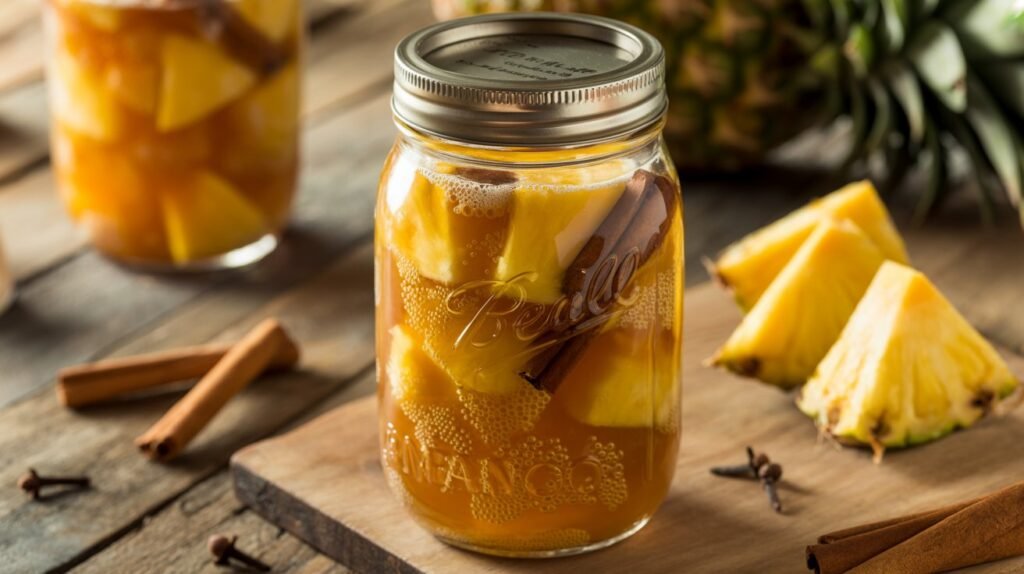
    Tepache is a fermented Mexican beverage traditionally made from pineapple rinds, piloncillo (raw cane sugar), and spices.

    Using a wide-mouth quart or half-gallon mason jar makes the process incredibly manageable for small batches.

    The Ingredients

    • The Rinds: Skins from 1/2 of a large, ripe pineapple (scrubbed well).

    • The Sweetener: 1/2 cup piloncillo, turbinado sugar, or brown sugar.

    • The Spices: 1 cinnamon stick and 2–3 whole cloves.

    • The Liquid: Filtered water (enough to fill the jar).


    Step-by-Step Jar Brewing

    1. Prep the Jar: Dissolve the sugar in about 1 cup of warm water directly in your mason jar. Once dissolved, fill the jar halfway with cold filtered water to bring the temperature down.

    2. Add Flavor: Drop in your pineapple rinds (cut into strips that fit easily), the cinnamon stick, and the cloves.

    3. Top it Off: Add more water until the jar is nearly full, leaving about 1 inch of headspace at the top.

    4. The Fermentation Cover: Do not screw the metal lid on tight, as the carbonation buildup could break the glass. Instead, cover the mouth with a piece of cheesecloth or a clean coffee filter secured with a rubber band. This allows the brew to breathe while keeping fruit flies out.

    5. Wait: Place the jar in a warm, dark spot on your counter. Let it sit for 24 to 72 hours.

      • 24 Hours: Light, sweet, and mild.

      • 48–72 Hours: Deep, funky, and slightly effervescent.

    6. Strain and Chill: Once you see little bubbles rising and a bit of white foam on top (this is good!), strain the liquid into a clean bottle or jar. Discard the solids and refrigerate immediately.


    Important Tips

    • Submerge the Fruit: If any pineapple rinds float to the very top and stay exposed to air, they might develop mold. Use a “fermentation weight” or a smaller glass jar that fits inside the mouth to keep the rinds submerged.

    • The “White Foam”: If you see a thin white film or foam on top, don’t panic—it’s usually just “kahm yeast,” which is harmless. Just skim it off before straining.

    • Serving: Serve over plenty of ice. For a popular Mexican variation, mix it with a light lager for a “Tepache Chela.

    How adventurous are you feeling with the spice level—would you want to try adding a slice of habanero or some ginger to the next batch?

  • Make Creamy Brazilian Limeade for hot afternoon

    Make Creamy Brazilian Limeade for hot afternoon

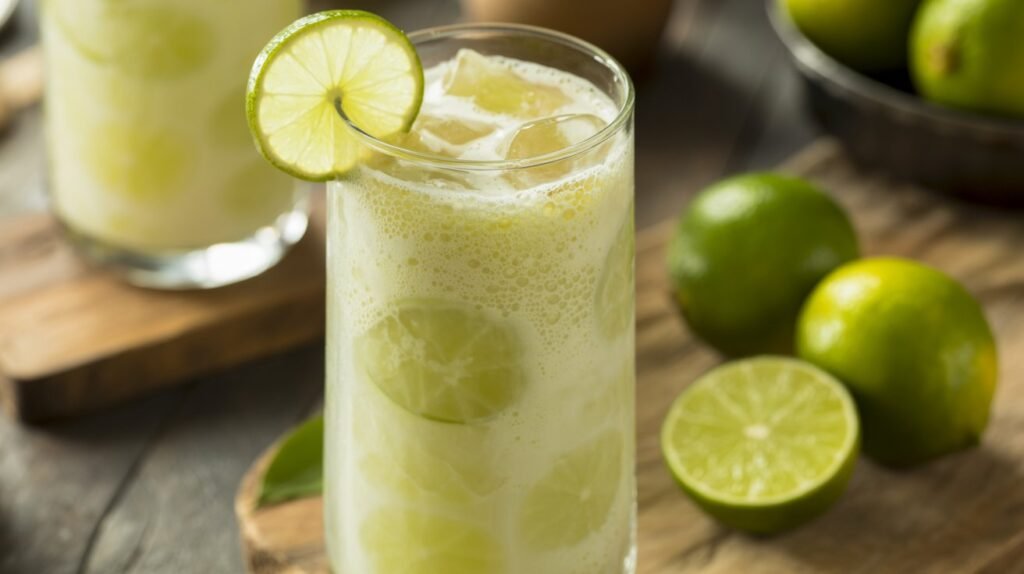
    Often called Limonada Suíça, this drink is actually made with limes, not lemons. The secret to its signature creamy, frothy texture is the combination of whole limes and sweetened condensed milk.

    The Ingredients

    • 4 juicy limes (organic or well-scrubbed, as you use the skins)

    • 4 cups cold water

    • 1/2 cup sweetened condensed milk (adjust to your sweetness preference)

    • 2 cups ice cubes


    The 5-Minute Method

    1. Prep the Limes: Wash the limes thoroughly. Cut off the ends (the “nubs”) and slice each lime into 8 wedges.

    2. The Quick Pulse: Place the lime wedges and the 4 cups of water into a blender. Pulse only 5–8 times. > Tip: Do not over-blend! If you blend the limes into a puree, the drink will become incredibly bitter from the white pith. You just want to extract the juice and oils from the skin.

    3. Strain: Pour the mixture through a fine-mesh strainer into a pitcher. Discard the pulp and skins.

    4. Sweeten & Chill: Pour the strained lime water back into the blender. Add the sweetened condensed milk and the ice. Blend on high until the drink is frothy and the ice is mostly crushed.

    5. Serve Immediately: This drink is best enjoyed the second it’s made. If it sits, the lime oils will eventually turn the drink bitter.


    Quick Tips for Success

    • Remove the Pith: If you are sensitive to bitterness, slice the limes and cut out the white “core” or center string of the lime before blending.

    • “Dairy-Free” Swap: Use sweetened condensed coconut milk for a tropical, vegan-friendly version.

    • Consistency: For a thicker, slushie-like texture, add an extra cup of ice during the final blend.

  • Authentic Margarita Recipe: Mastering Mexico’s Timeless Cocktail

    Authentic Margarita Recipe: Mastering Mexico’s Timeless Cocktail

    The Margarita isn’t just a cocktail—it’s a global icon, a perfect balance of sweet, sour, and spirit that has defined summer parties and festive gatherings for decades.

    But with so many pre-made mixes and frozen versions out there, the true essence of this classic can get lost.

    This guide will walk you through the only authentic margarita recipe you’ll ever need, focusing on technique and quality to create a cocktail that’s lightyears beyond anything from a bottle.

     The Origin of the Margarita

    Like many legendary cocktails, the Margarita’s origin is deliciously murky.

    The most popular tale places its creation in the late 1930s or 1940s at a bar in Tijuana or Acapulco, crafted for a showgirl named Marjorie King (whose Spanish nickname was Margarita).

    Others claim it evolved from the “Daisy” cocktail (Margarita means “daisy” in Spanish), a Prohibition-era drink that swapped brandy for tequila.

    Regardless of its true birth, the Margarita cemented tequila’s place on the global stage, transforming it from a rustic spirit into a cornerstone of cocktail culture.

    The Classic, Authentic Margarita Recipe

    This is the holy trinity of recipes: the 2:1:1 ratio. It’s simple, elegant, and allows the quality of your ingredients to shine.

    Prep Time: 5 minutes | Serves: 1

    Ingredients:

    • 2 oz (60 ml) 100% Agave Blanco Tequila

    • 1 oz (30 ml) Fresh Lime Juice (approx. 1 large lime)

    • 1 oz (30 ml) Quality Orange Liqueur (such as Cointreau or Triple Sec)

    • Optional: ¼ oz (7 ml) Agave Nectar or Simple Syrup (for a slightly sweeter version)

    • Kosher Salt or Flaky Sea Salt (for rimming)

    • Lime Wheel or Wedge (for garnish)

    Equipment:

    • Cocktail Shaker

    • Hawthorne Strainer or Jigger

    • Fine Mesh Strainer (optional, for a smoother drink)

    • Margarita Glass, Coupe, or Rocks Glass

    Step-by-Step Instructions:

    1. Prepare the Glass: Run a lime wedge around half or the entire rim of your chilled glass. Dip the rim gently into a shallow plate of salt. Set aside.

    2. Shake It Up: Fill your cocktail shaker with fresh ice. Add the tequila, fresh lime juice, and orange liqueur (and agave nectar if using). Secure the lid and shake vigorously for 12-15 seconds—until the shaker is frosty cold to the touch.

    3. Strain and Serve: If desired, double-strain by holding a fine mesh strainer over your prepared glass and pouring the contents of the shaker through it. This catches small ice chips and pulp for a super-smooth texture. Otherwise, strain directly from the shaker into your glass.

    4. Garnish: Add a fresh lime wheel or wedge to the rim. Serve immediately.

    Delicious Margarita Variations to Try

    Once you’ve mastered the classic, the world is your oyster (or should we say, your salted rim?).

    1. The Spicy Jalapeño Margarita: Muddle 2-3 thin slices of fresh jalapeño in the shaker before adding the other ingredients. For less heat, remove the seeds and ribs. This adds a fantastic, tingling warmth that complements the lime beautifully.

    2. The Cadillac Margarita: Upgrade your orange liqueur to a top-shelf option like Grand Marnier. You can either substitute it entirely or float a ½ oz layer on top of the finished drink for a rich, brandy-forward aroma with each sip.

    Pro Tips for the Perfect Margarita

    • Tequila is Key: Always use 100% Agave Tequila. “Mixto” tequilas (51% agave) will give you a harsher, less refined drink. Blanco (silver) is traditional and provides a crisp, agave-forward flavor.

    • Citrus Freshness is Non-Negotiable: Bottled lime juice contains preservatives and lacks the bright, vibrant acidity of fresh fruit. Squeeze your limes just before mixing.

    • The Salt Rim Debate: A salt rim isn’t just decorative; it enhances the sweet and sour flavors. For a professional touch, use flaky sea salt and only rim half the glass, allowing the drinker to choose their preferred sip.

    • Shake vs. Blend: A shaken margarita on the rocks is the classic “purist” method. Reserve blending for when you’re adding fresh fruit (like strawberries or mango) for a slushy-style treat.

    Conclusion: Why the Classic Margarita Endures

    The beauty of an authentic margarita recipe lies in its perfect, balanced simplicity.

    It’s not about overwhelming sweetness or novelty; it’s about celebrating three excellent ingredients in perfect harmony. It’s a cocktail that demands good technique and rewards you with unparalleled refreshment.

    Whether you’re hosting a taco Tuesday or simply savoring a moment on the patio, a well-made Margarita is a little taste of sunshine in a glass.

  • Dalgona: Whipped Coffee Recipe

    Dalgona: Whipped Coffee Recipe

    What is Dalgona Coffee?

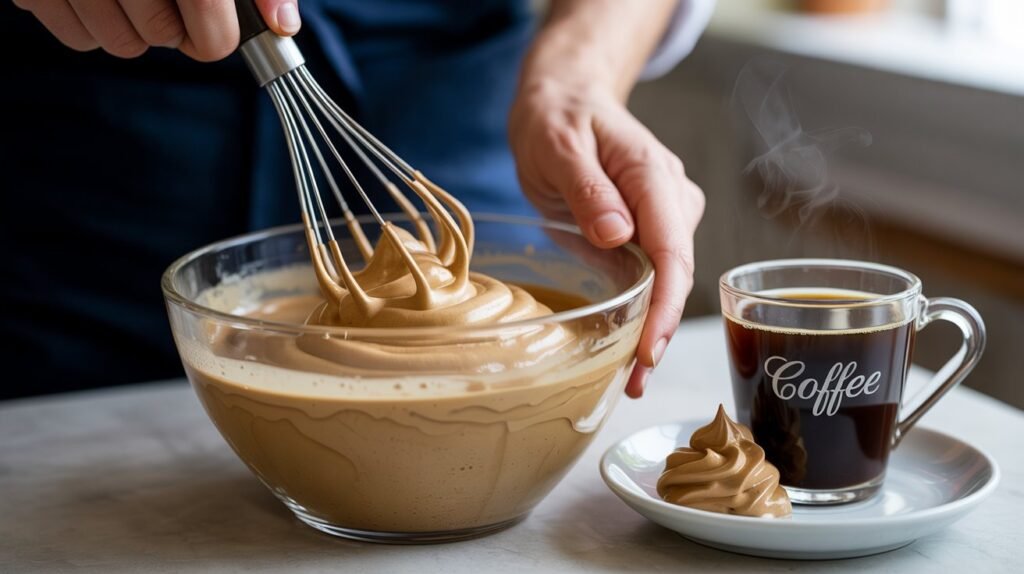
    Dalgona coffee, the frothy and creamy beverage that took the world by storm, is a perfect treat for coffee aficionados.

    Originating from South Korea, this whipped coffee is made by beating equal parts of instant coffee, sugar, and hot water until light and airy.

    The result? A cloud-like topping that transforms any glass of milk into a delicious delight!

    Simple Dalgona Coffee Recipe

    If you’re eager to try your hand at making Dalgona coffee, you’ll need just three simple ingredients:

    • 2 tablespoons of instant coffee
    • 2 tablespoons of hot water
    • 2 tablespoons of sugar

    Begin by combining the instant coffee, sugar, and hot water in a mixing bowl.

    Use a hand mixer or whisk to whip the mixture until it becomes creamy and fluffy.

    This might take about 3-5 minutes. Once done, spoon the whipped coffee over a glass filled with milk (hot or cold) and stir before drinking.

    Enjoy your homemade coffee masterpiece!

     Dalgona variations

     For a chocolate lover’s twist, mix in cocoa powder when whipping your coffee.

    Or perhaps add a dash of vanilla extract for an aromatic experience. You could even sprinkle some cinnamon on top for an extra kick!

    Dalgona whipped coffee is not just a drink; it’s an experience that brings joy and creativity into your daily routine.

    So grab those ingredients and get whipping!

  • The Best Smoothies for Weight Loss: Delicious Recipes to Shed Pounds

    The Best Smoothies for Weight Loss: Delicious Recipes to Shed Pounds

    Smoothies have gained significant popularity as a nutritious and convenient option for individuals aiming to shed pounds while enjoying delicious meals.

    This versatility makes them a favored choice on various weight loss diets.  

    One of the primary benefits of incorporating smoothies into a weight loss plan is their potential for nutrient density.

    A well-prepared smoothie can pack a substantial amount of vitamins, minerals, and antioxidants, particularly when it includes a blend of fruits, vegetables, and healthy fats.

    For example, leafy greens such as spinach or kale can be incorporated without significantly altering the flavor, offering numerous health benefits while promoting satiety.

    Furthermore, fruits such as berries and bananas can provide natural sweetness, reducing the temptation to consume high-calorie desserts or snacks.

     When crafted thoughtfully, they can supply essential nutrients while being lower in calories compared to traditional meals.

    For those on a weight loss journey, this attribute allows for a reduction in caloric intake without sacrificing satisfaction. Many find that a well-balanced smoothie can curb hunger and provide lasting energy, setting a positive tone for the day ahead.

    Additionally, blending ingredients into a smoothie can enhance the tasting experience, making nutritious foods more palatable.  

    Smoothie Nutrients

     Macronutrients consist of proteins, fats, and carbohydrates, which all play significant roles in bodily functions.

    Proteins are vital for muscle repair and growth, and they also contribute to satiety, helping individuals feel fuller for longer periods.

    Incorporating protein-rich ingredients such as Greek yogurt, protein powder, or nuts into smoothies can enhance their weight loss potential.

    Healthy fats are another crucial macronutrient, albeit often underestimated.

    Sources of healthy fats, such as avocado or chia seeds, not only improve the texture of smoothies but also promote satiety.

    These fats slow down digestion and keep hunger at bay, aiding in weight management. Meanwhile, carbohydrates should primarily come from fruits and vegetables, which provide essential energy without excessive calories.

    Micronutrients, including vitamins and minerals, should not be overlooked in weight loss smoothies. They support various bodily functions, including metabolism and immune response.

    Fresh fruits and leafy greens are excellent sources of these nutrients. Smoothies that incorporate varied colors of fruits and vegetables will likely provide a more comprehensive range of vitamins and minerals.

    Furthermore, the role of fiber cannot be overstated. Fiber enhances digestive health and contributes to feelings of fullness.

    It slows down the digestion and absorption of food, which helps in controlling cravings. Including fibrous ingredients such as oats, spinach, or flaxseeds in smoothies can significantly boost their weight loss efficacy.

    Ensuring proper hydration is essential, as water not only supports metabolic processes but also assists in appetite regulation. A well-crafted smoothie can therefore be a powerful ally in a weight loss journey.

    Top Ingredients for Weight Loss Smoothies

    Incorporating the right ingredients into your weight loss smoothies can significantly enhance their nutritional value and effectiveness. Below is a comprehensive list of the best components to consider when concocting these delicious beverages.

    Spinach is a nutrient-dense green leafy vegetable that adds volume to smoothies without a hefty calorie count.

    It is high in fiber, aiding digestion and promoting a feeling of fullness, which is essential for weight loss. A cup of raw spinach contains only about 7 calories.

    Kale is another powerful green. Rich in vitamins A, C, and K, kale is a low-calorie food that may provide a sense of satiety due to its fiber content.

    This vigorous leafy vegetable contains roughly 33 calories per one-cup serving, making it an excellent addition to your smoothie recipes.

    Berries, such as blueberries, strawberries, and raspberries, are excellent low-calorie fruit choices packed with antioxidants. A cup of mixed berries has about 70-85 calories, and their natural sweetness allows you to reduce added sugars while providing essential vitamins and minerals that support overall health.

    Greek yogurt is a great source of protein, which is vital for maintaining muscle mass while losing weight. A 5-ounce serving typically contains around 100-150 calories. The probiotics in Greek yogurt also support gut health, which can aid in weight management.

    Chia seeds are an ideal additive for weight loss smoothies, as they swell in water Chia seedsand create a feeling of fullness. Just one ounce has about 137 calories, along with healthy omega-3 fatty acids, fiber, and protein, making them a great nutritional boost.

    Incorporating protein powder into your smoothies also serves as an effective strategy for weight management.

    Depending on the type you choose, one scoop of protein powder can range from 100 to 200 calories, helping to sustain energy levels and muscle recovery post-exercise.

    Lastly, adding a splash of coconut water can enhance flavor while supplying hydration and a modest amount of electrolytes with around 46 calories per cup.

    Selecting the right ingredients for your weight loss smoothies not only enhances their taste but also supports your health and weight loss goals effectively.

    Smoothie Recipe: Green Detox Smoothie

    Preparation Time: 10 minutes
    Serving Size: 2 servings

    This refreshing green detox smoothie is designed to boost your metabolism while delivering essential nutrients.

    To prepare, combine 1 cup of spinach, 1 ripe banana, 1/2 cup of pineapple chunks, 1/2 an avocado, and 1 cup of unsweetened almond milk in a blender. Blend until smooth.

    This rich concoction is full of vitamins and minerals, promoting healthy digestion and aiding in weight loss. The incorporation of spinach, a low-calorie leafy green, provides fiber and helps to keep you feeling full longer.

    The healthy fats from avocado also contribute to satiety.

    Nutritional Information (per serving): Calories: 180, Protein: 4g, Carbohydrates: 30g, Fiber: 6g, Fat: 7g.

    Smoothie Recipe: Berry Blast Smoothie

    Preparation Time: 5 minutes
    Serving Size: 1 serving

    This berry blast smoothie is perfect for those who enjoy a sweet yet tangy flavor. For this recipe, blend 1 cup of mixed berries (blueberries, strawberries, and raspberries), 1 tablespoon of honey or agave syrup, and 1 cup of low-fat yogurt.

    This delightful mix not only tastes good but is also packed with antioxidants, which can support your weight management journey.

    Berries are low in calories but high in fiber, making them an excellent choice for reducing cravings and promoting overall health.

     Nutritional Information: Calories: 210, Protein: 10g, Carbohydrates: 40g, Fiber: 7g, Fat: 2g. 

    Smoothie Recipe: Tropical Mango Smoothie

    Preparation Time: 7 minutes
    Serving Size: 1 servingFresh-mango-smoothie 01

    Indulge in a tropical experience with this mango smoothie.

    Combine 1 cup of diced mango, 1 banana, and 1/2 cup of coconut water in your blender.

    This smoothie not only provides hydration due to the coconut water but also offers a soothing, refreshing taste.

    Mango is rich in vitamins A and C, which help to improve skin texture and boost immunity while aiding in weight loss efforts.

    The natural sweetness from the fruits may help satisfy your sweet tooth, contributing to successful diet management.

    Nutritional Information: Calories: 220, Protein: 2g, Carbohydrates: 55g, Fiber: 4g, Fat: 0g.

    Tips for Making the Perfect Weight Loss Smoothie

    It is important to choose high-quality, nutrient-dense ingredients that can offer both flavor and satiety. Base ingredients like leafy greens, such as spinach or kale, are excellent choices since they are low in calories yet rich in essential vitamins and minerals.

    Additionally, incorporating a source of protein, such as Greek yogurt, protein powder, or nut butter, can help keep you full longer and support muscle maintenance during weight loss.

    When blending, start with liquids first, such as water, unsweetened almond milk, or coconut water. This can help your blender run more smoothly.

    Next, add in your leafy greens followed by any fruits and other ingredients. Be cautious with fruit portions; while they provide fiber and vitamins, they also contain natural sugars, which can add calories. Ideally, half of your smoothie should consist of vegetables while the other half can encompass fruits.

    Avoid adding high-calorie sweeteners, juices, or pre-packaged smoothies that may contain hidden sugars and preservatives.

    Instead, experiment with different flavor enhancers like cinnamon, vanilla extract, or a dash of ginger, which can elevate taste without compromising the nutritional integrity of the drink.

    One effective strategy is to use a mix of frozen fruits; they not only add texture but also help in achieving a creamy consistency without additional calories from ice cream or yogurt.

    Customization is key when creating a weight loss smoothie. Each individual has their own dietary requirements and taste preferences; therefore, experimenting with various combinations can lead to discovering satisfying options that fit into your weight loss plan.

    Keep track of the ingredients and their effects on your body to find the best combinations over time.

    Common Mistakes to Avoid

    When it comes to creating smoothies for weight loss, several common mistakes can hinder your progress.

    One prevalent issue is adding an excessive amount of fruit.

    While fruits are nutritious and provide essential vitamins and minerals, they also contain natural sugars that can contribute to increased calorie intake.

    To create a balanced smoothie conducive to weight loss, aim to limit the fruit portion to a single serving, such as half a banana or one small apple.

    This practice ensures that your smoothie remains low in sugar and calories while still providing sweetness and flavor.

    Another pitfall is the use of high-calorie additives.

    Ingredients like sweetened yogurt, flavored nut butters, or syrups can significantly increase the caloric content of your smoothie.

    Instead, choose plain or unsweetened yogurt and opt for natural nut butters with no added sugars.

    Also, consider using unsweetened almond milk or coconut water as a base for your smoothies, as these options tend to be lower in calories than regular fruit juices or dairy milk, making them a healthier choice.

    Inattention to protein is another common mistake. Protein plays a crucial role in curbing hunger and aiding weight loss by promoting satiety.

    Failing to include a good protein source in your smoothie can lead to increased cravings later in the day.

    Incorporating options such as Greek yogurt, protein powder, or nut-based milks can enhance the protein content of your smoothie, making it a more satisfying meal or snack.

    By being mindful of these common pitfalls, you can create delicious smoothies that effectively support your weight loss journey while enjoying a variety of flavors and nutrients.

    Incorporating Smoothies into Your Diet

    Integrating weight loss smoothies into your daily routine can offer a convenient and enjoyable way to enhance your nutritional intake while supporting your weight management goals.

    One effective strategy is to allocate smoothies as meal replacements, snacks, or post-workout refreshments.

    For those looking to replace traditional meals with smoothies, consider using them during breakfast or lunch.

    A nutrient-dense smoothie can supply essential vitamins, minerals, and healthy fats, making it a wholesome alternative to heavier fare.

    It is vital to ensure that the smoothie contains an adequate balance of proteins, healthy fats, and fibers to keep you satiated throughout the day.

    As a snack option, smoothies can be a great way to curb hunger between meals. Depending on your activity level, consuming a smoothie that is lower in calories yet rich in fiber will help stave off cravings without derailing your dietary objectives.

    Many individuals also find that smoothies, when consumed post-workout, can effectively replenish lost nutrients and assist in muscle recovery.

    Combining protein powder with fruits and vegetables can create an ideal recovery blend, enhancing your workout’s effectiveness.

    When incorporating smoothies into a balanced diet, variety is key. Experimenting with different ingredients can help maintain interest and provide a broader spectrum of nutrients.

    Utilize seasonal fruits and vegetables to keep the flavors fresh and exciting, while also ensuring you are receiving the diverse nutrients your body requires.  

     However, it is essential to recognize that smoothies should not be viewed as a standalone solution for weight loss. Instead, they should be integrated into a comprehensive approach to health and wellness that includes balanced nutrition, regular exercise, and mindfulness practices.

    By adopting such a holistic perspective, individuals can create a sustainable lifestyle that supports their weight loss journey while fostering overall well-being.

    So, we encourage you to explore your own smoothie recipes and embrace the joy of creating delicious, nourishing drinks as part of your journey toward a healthier self.

  • What is Virgin Mojito?

    What is Virgin Mojito?

    A Virgin Mojito is a non-alcoholic version of the classic Mojito cocktail.

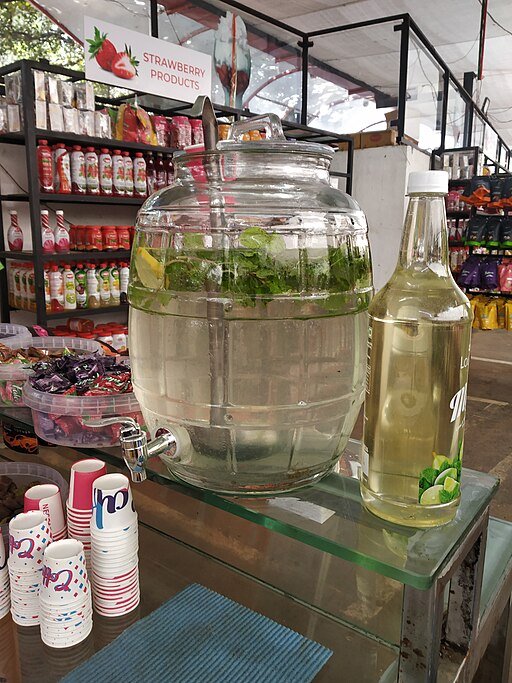
    It contains all the refreshing ingredients of a traditional mojito—fresh lime juice, mint leaves, sugar, and soda water—without the rum.

    The result is a light, citrusy, and minty drink that’s perfect for those who prefer a non-alcoholic beverage but still want to enjoy the flavors of a mojito.

    Here’s a Virgin Mojito recipe to try at home without alcohol.

     Virgin Mojito Recipe

    Ingredients:Mojitos by the sea
    1 oz (30 ml) fresh lime juice (about half a lime)
    6-8 fresh mint leaves
    2 teaspoons sugar or honey (adjust to taste)
    4 oz (120 ml) soda water (or club soda)
    Ice cubes
    Lime wedge and mint sprig for garnish

    Instructions:

    • Muddle the Mint: Add the fresh mint leaves and sugar or honey in a sturdy glass. Gently muddle the mint leaves with a muddler or the back of a spoon to release their oils.

    Be careful not to tear the leaves too much; just bruise them enough to release their aroma and flavor.

    • Add Lime Juice: Pour in the fresh lime juice over the muddled mint. Stir to combine and help dissolve the sugar or honey.
    • Add Ice and Soda Water: Fill the glass with ice cubes. Top off the drink with soda water or club soda, then give it a gentle stir to mix everything together.
    • Garnish and Serve: Garnish with a lime wedge and a sprig of fresh mint. Serve immediately and enjoy your refreshing Virgin Mojito!

    This recipe yields one serving of a delicious, non-alcoholic mojito, perfect for any occasion.

    There are more creative versions of the Virgin Mojito you might enjoy:

    Easy Strawberry Mojito recipe

    Ingredients:

    2 cups fresh strawberries, hulled and sliced
    1/4 cup fresh mint leaves
    2 tablespoons lime juice
    1 tablespoon granulated sugar
    2 tablespoons sparkling water
    Ice cubes
    Fresh strawberry slices and mint leaves for garnish

    Instructions:

    •  In a large pitcher, muddle the sliced strawberries and mint leaves together with a muddler or the back of a spoon until the strawberries are well-crushed and the mint is fragrant.
    • Add the lime juice and sugar to the pitcher and stir until the sugar is dissolved.
    • Chill the mixture in the refrigerator for at least 30 minutes to allow the flavors to meld.
    • Just before serving, stir in the sparkling water.
    • Fill glasses with ice and pour the Strawberry Mojito mixture over the ice.
    • Stir gently and garnish with additional fresh strawberry slices and mint leaves, if you desire.

    Tips and Variations:

    • Use fresh strawberries for the best flavor and texture. You can also use frozen strawberries if fresh ones are not available.
    • Adjust the amount of sugar to your taste. You can also use honey or agave nectar as a sweetener.
    • Add a splash of citrus-flavored soda, such as lemon-lime soda, for a fizzy twist.
    • Experiment with different types of mint, such as peppermint or spearmint, for a unique flavor profile.
    • Serve the Strawberry Mojito as a refreshing summer drink or as a sweet and fruity twist on the classic Mojito.

    Blue Virgin Mojito recipe

    This refreshing cocktail combines the classic flavors of mint and lime with a hint of blueberry sweetness. Here’s a simple recipe to make a Blue Virgin Mojito at home.

    Ingredients:Blue Lemonade

    2 sprigs of fresh mint leaves
    1 lime, cut into wedges
    1 1/2 cup of blueberry syrup or puree
    1/2 ounce freshly squeezed lime juice
    1/2 ounce simple syrup (equal parts water and granulated sugar, dissolved)
    Club soda
    Ice
    Fresh mint leaves and blueberries for garnish

    Instructions:

    • In a cocktail shaker, gently press the mint sprigs with a muddler or the back of a spoon to release the oils and flavor.
    • Add the lime wedges, white rum, blue curaçao liqueur, lime juice, and simple syrup to the shaker.
    • Fill the shaker with ice and shake vigorously for about 15-20 seconds to combine and chill the ingredients.
    • Fill a highball glass with ice and strain the Blue Mojito mixture into the glass.
    • Top the drink off with club soda and stir gently.
    • Garnish with a sprig of fresh mint, a lime wedge, and a few blueberries.

    Tips and Variations:

    •  Adjust the amount of blue curaçao liqueur to your taste. You can add more or less to achieve the desired blue color and flavor.
    • Use a blueberry syrup or blueberry puree instead of blue curaçao liqueur for a more intense blueberry flavor.
    • Add a splash of lemon-lime soda for a fizzy twist.
    • Experiment with different types of rum, such as dark rum or spiced rum, for a unique flavor profile.
    • Serve the Blue Mojito as a refreshing summer cocktail or as a unique twist on the classic Mojito.

    These are just a few ideas to get you started. Feel free to experiment with different flavors and ingredients to create your own unique Virgin Mojito recipes!


  • What does Sugarcane juice taste like?

    What does Sugarcane juice taste like?

    Sugarcane juice has a sweet and refreshing taste with subtle grassy undertones.

    It’s often described as having a similar sweetness to other sugary beverages like fruit juices or lemonade but with a unique flavor that comes from the sugarcane plant itself.

    Some people also note a hint of earthiness or freshness in the taste, reminiscent of freshly cut grass or green vegetables.

    Overall, sugarcane juice is known for its natural sweetness and cooling properties, making it a popular choice for quenching thirst on hot days.

    How to make sugarcane juice at home.

    Making sugarcane juice is relatively simple and requires only a few steps.  Here’s a basic recipe to make sugarcane juice:

    Ingredients:Sugarcane juice freshFresh sugarcane stalks
    Clean water (optional)
    Ice cubes (optional)

    Equipment:
    Sugarcane juicer
    Knife
    Cutting board
    Glasses or cups for serving

    Instructions

    1. Clean the sugarcane stalks: Rinse the sugarcane stalks under cold water to remove any dirt or debris. Use a clean cloth to wipe them dry.

    2. Prepare the sugarcane stalks: Using a sharp knife and cutting board, trim off the ends of the sugarcane stalks to make them easier to handle. Then, cut the sugarcane into smaller pieces that will fit into your juicer.

    3. Juice the sugarcane: Turn on your sugarcane juicer and feed the pieces of sugarcane through the chute. Allow the juicer to extract the juice from the sugarcane, collecting the juice in a clean container or pitcher.

    4. Strain the juice (optional): If you prefer a smoother juice without any pulp, you can strain the sugarcane juice through a fine mesh strainer or cheesecloth to remove any solids.

    5. Serve the sugarcane juice: Pour the freshly ext

    racted sugarcane juice into glasses or cups. You can serve the juice as is, or add some clean water to dilute it to your desired sweetness level. You can also add ice cubes to make the juice refreshing and chilled.

    6.  Serve the sugarcane juice immediately.

    Image of commercial sugar cane juicer in Phnom Penh
    Commercial sugar cane juicer in Phnom Penh

    Tips

    Choose fresh, firm sugarcane stalks for the best-tasting juice.

    If you don’t have a sugarcane juicer, you can also use a blender to blend the sugarcane pieces with water and then strain the mixture to extract the juice.

    For added flavor, mix in a squeeze of lemon or lime juice or add a splash of ginger juice to the sugarcane juice.

    How to store sugarcane juice

    Sugarcane juice is best consumed fresh, but it can be stored in the refrigerator for up to 48 hours.

    Refrigeration: The best way to store sugarcane juice is to refrigerate it immediately after extraction. Transfer the juice into a clean, airtight container and place it in the refrigerator.

    Cold temperatures slow down the growth of bacteria and preserve the freshness of the juice.

    Use within 24-48 hours: Freshly extracted sugarcane juice should ideally be consumed within 24-48 hours for the best taste and quality. As time passes, the juice may lose its flavor and nutritional value.

    Freezing: If you have excess sugarcane juice that you won’t be able to consume within a couple of days, you can freeze it for longer-term storage.

    Pour the juice into ice cube trays or freezer-safe containers, leaving some space for expansion, and freeze until solid. Frozen sugarcane juice can be kept in the freezer for up to 3 months.

    Thawing: When you’re ready to use frozen sugarcane juice, transfer the desired amount from the freezer to the refrigerator and allow it to thaw overnight.

    Avoid thawing sugarcane juice at room temperature, which can promote bacterial growth.

    Before serving sugarcane juice, please give it a good shake or stir to mix any settled pulp or sediment. This ensures that you get the full flavor and nutritional benefits.

    Check for signs of spoilage: Always inspect sugarcane juice before consuming it, especially if it has been stored for an extended period. Discard the juice if you notice any changes in color, odor, or texture, as these may indicate spoilage.

  • Can you drink alcohol in Egypt?

    Can you drink alcohol in Egypt?

    Yes, you can drink alcohol in Egypt.

    It is legal for non-Muslims, particularly in hotels, bars, and restaurants that cater to foreigners.

    However, it is important to note that alcohol consumption is prohibited for Muslims, and public intoxication is generally frowned upon in Egyptian society.

    In some areas, particularly in more conservative or rural parts of the country, alcohol may be less readily available.

    During certain religious holidays and events, there may be stricter regulations on the sale and consumption of alcohol. It’s always advisable to respect local customs and laws regarding alcohol consumption when visiting any country.

    What alcohol is Egypt known for?Ouzo 12, Volos, Griechenland

    Egypt is known for producing and exporting a type of brandy called “ouzo,” made from grapes and flavored with anise. Other popular alcoholic drinks in Egypt include beer, wine, and various spirits.

    Other alcoholic beverages commonly associated with Egypt are:

    Wine: Some well-known Egyptian wineries include Ghandurah, Omar Khayyam, and Brave Winery.

    Araki: – Araki (or Arak) is a traditional anise-flavored spirit popular in Egypt and other Middle Eastern countries.

    It is typically distilled from grapes or dates and has a distinct licorice-like taste.

    Palm wine/Palm liquor:- Palm wine, or locally known as “Laban Areer,” is an alcoholic beverage made from the fermented sap of palm trees.

    Beer is also consumed in Egypt.

    In tourist areas and larger cities like Cairo and Alexandria, you can find a variety of locally produced and imported alcoholic beverages available for purchase and consumption.

    Can females drink alcohol in Egypt?

    Yes, females are legally allowed to drink alcohol in Egypt. However, there are some cultural and religious considerations to keep in mind:

    Legal status: Alcohol consumption is legal in Egypt for both men and women, Muslims and non-Muslims, as long as they are above the legal drinking age of 21.

    Social acceptance: While legal, drinking alcohol is still not widely accepted or practiced among Egyptian women, especially in more traditional or rural areas.

    It is generally more socially acceptable for women to drink alcohol in larger cities like Cairo and Alexandria or tourist areas.

    Also, the public consumption of alcohol by women may be frowned upon or seen as inappropriate by some. Many women who do drink alcohol tend to do so in more private settings or certain restaurants and bars, particularly in areas frequented by tourists or expatriates.

    It’s important to note that, while legal, alcohol consumption by women in Egypt is still subject to societal and cultural norms.

    Is alcohol expensive in Egypt?

    Yes, alcohol is generally considered expensive in Egypt, especially for the local population. Here are a few reasons why:

    • Taxes and duties: There are high taxes and import duties levied on alcoholic beverages in Egypt. This significantly increases the retail prices.
    • Limited local production: Most alcoholic beverages available in Egypt are imported, as there is limited local production. Imported alcohol is subject to higher taxes and transportation costs, making it more expensive.
    • Tourism-centric pricing: In areas frequented by tourists, such as resorts and hotels, alcohol prices are often inflated to cater to foreign visitors who may have higher disposable incomes.
    • Social and religious factors: Due to the Islamic culture and religious beliefs of the majority population, alcohol consumption is not widespread in Egypt. This lower demand can contribute to higher prices.
    • Purchasing restrictions: There are restrictions on where and when alcohol can be purchased in Egypt, limiting the availability and contributing to higher prices.

    To give you an idea of the costs, a bottle of locally produced beer like Stella can cost around 20-30 Egyptian pounds (around $1-$2), while imported beers can cost double or triple that amount. A bottle of wine can range from 150-300 Egyptian pounds (approximately $8-$16) or more for imported varieties.

    It’s important to note that alcohol prices can vary greatly depending on the location and establishment. The prices in tourist areas and upscale venues tend to be significantly higher than in local markets or shops.

    For the average Egyptian, alcohol is considered a luxury item due to its high cost relative to the local income levels. As a result, alcohol consumption is generally limited among the local population.

    Do hotels in Egypt serve alcohol?

    Yes, many hotels do. Egypt’s alcohol laws are based on a mix of religious and secular regulations. While Islam prohibits alcohol consumption, tourism is a major source of revenue for the country.

    CECIL HOTEL, ALEXANDRIA, EGYPTSo, visitors will find that many hotels in Egypt do serve alcohol, especially those in tourist areas like Cairo, Sharm El Sheikh, and Hurghada.

    Most hotels in tourist areas will have bars or restaurants that serve beer, wine, and spirits. Hotels located outside of tourist areas are less likely to serve alcohol.

    Some hotels may be entirely dry, meaning they don’t serve alcohol at all. These hotels often cater to Muslim travelers or adhere to stricter religious principles.

    Tips for finding a hotel that serves alcohol in Egypt:

    • Look for hotels in tourist areas. These areas are more likely to have hotels that cater to international visitors.
    • Read hotel reviews online. Reviews can often mention whether or not a hotel serves alcohol.
    • Contact the hotel directly. The hotel will tell you definitively whether or not they serve alcohol.

    What do Egyptians drink in the morning?

    In the morning, many Egyptians drink tea or coffee. These drinks are often enjoyed with breakfast,  including items such as bread, cheese, and eggs.

  • What does Palm wine taste like?

    What does Palm wine taste like?

    Palm wine has a taste that can be described as both sweet and sour.

    The taste of palm wine changes as it ferments, becoming more alcoholic and less sweet over time. Some people prefer it in its fresher, sweeter state, while others enjoy it as it matures into a stronger alcoholic drink with more complex flavors.

    Also known as ‘Pami’, ‘Ogwu Ngwo’, ‘Toddy’ or ‘Kallu’ in parts of Africa and Asia, Palm wine is a traditional alcoholic beverage made from the sap of various species of palm trees.

    Its taste can also vary slightly depending on factors like the type of palm tree, the region it’s sourced from, and the fermentation process. Generally, palm wine is described as having the following taste characteristics:

    Sweet: Freshly tapped palm wine has a natural sweetness. This sweetness can be subtle or pronounced, depending on the specific variety of palm tree, and the stage of fermentation.

    A picture of Palm-wine being tapped from a Palm tree in Africa
    Palm wine being tapped from a Palm tree in Africa


    Fruity: Palm wine often carries fruity notes, which can range from a mild, tropical fruit-like sweetness to a more complex flavor profile with hints of citrus, banana, or even a touch of coconut.

    Slightly Sour: In the early stages of fermentation, palm wine may have a mildly sour or tart undertone, similar to the taste of some fermented fruit beverages.

    Earthy: Palm wine can have an earthy quality, particularly in its more traditional, less refined forms. This earthiness can be reminiscent of the natural environment in which the palm trees grow.

    Refreshing: The overall taste of palm wine is refreshing, making it a popular choice in tropical regions as a cool and thirst-quenching beverage.

     Is palm wine sweet or sour?

    Palm wine can have a sweet or sour taste, depending on the stage of fermentation. Freshly tapped palm wine tends to be sweeter, while it may develop a slightly sour or tart flavor as it ferments further.

    Can palm wine get you drunk?

    Yes, palm wine is an alcoholic beverage, and consuming it in sufficient quantities can lead to intoxication. The alcohol content can vary, but it typically contains ethanol, which has intoxicating effects.

    What happens when you drink palm wine?

    When you drink palm wine, you may experience effects typical of alcoholic beverages, such as relaxation, decreased inhibitions, and, if consumed in excess, intoxication. Moderate consumption may be a pleasant and refreshing experience.

    Who should not drink palm wine?

    Individuals who should avoid drinking palm wine include pregnant women, individuals with alcohol use disorders, those taking medications that interact with alcohol, and anyone who wishes to abstain from alcohol for personal or health reasons.

    Does palm wine smell?

    Palm wine can have a distinct aroma, which is often described as sweet, fruity, and sometimes slightly sour due to the fermentation process.

    Is palm wine addictive?

    Palm wine, like other alcoholic beverages, has the potential for addiction if consumed in excess over an extended period. Alcohol addiction is a serious health concern.

    What is the spiritual use of palm wine?

    In some cultures, palm wine has spiritual and ritual significance. It may be used in religious ceremonies, offerings, or cultural rituals. Its spiritual use varies from one region to another.

    Palm Wine in Its Traditional Pot

    Is palm wine an antibiotic?

    Palm wine is not an antibiotic. It is an alcoholic beverage made from the sap of palm trees and is not used as a medical treatment for bacterial infections.

    What are the disadvantages of palm wine drink?

    Disadvantages of palm wine may include its alcoholic content, which can lead to health and social issues when consumed excessively. It should be consumed in moderation.

    Can palm wine make you sick?

    Consuming palm wine in moderation is unlikely to make you sick. However, excessive consumption can lead to alcohol-related health problems, including intoxication and hangovers.

    When should I drink palm wine?

    Palm wine is typically enjoyed at various times, including social gatherings, celebrations, and cultural events. The choice to drink it depends on individual preferences and occasions.

    Does palm wine increase cholesterol?

    There is no direct evidence that palm wine increases cholesterol. However, excessive alcohol consumption can have adverse effects on health, including impacting cholesterol levels.

    Does palm wine make you sleepy?

    Alcohol, including palm wine, is a depressant that can induce drowsiness or sleepiness, especially when consumed in larger quantities.

    Does palm wine cause headaches?

    Excessive alcohol consumption, including palm wine, can lead to headaches and hangovers due to dehydration and other factors.

     What are the two types of palm wine?

    There are typically two types of palm wine: “Toddy” or “Kallu,” which is the fresh sap extracted from palm trees before fermentation, and the fermented version, which is the result of allowing the sap to naturally ferment.

    How do you store palm wine?

    Palm wine should be stored in a cool and dark place to slow down further fermentation. If you wish to preserve its sweetness, it can be stored in a refrigerator.

    How is alcohol obtained from palm wine?

    Alcohol is naturally produced during the fermentation process of palm wine. Yeast and other microorganisms present in the environment convert the sugars in the sap into alcohol.

    Can palm wine be bottled?

    Yes, palm wine can be bottled for convenience and preservation. It’s common to find bottled palm wine in some regions, which allows for easier distribution and storage.

    Bottled palm wine. Photo by jypsygen

    Is palm wine organic?

    Palm wine is often considered organic as it is produced using traditional methods without the use of synthetic chemicals. However, the specific practices can vary 

    Why does palm wine turn sour?

    Palm wine turns sour due to the natural fermentation process. Microorganisms, including yeast, convert the sugars in the sap into alcohol and acids, leading to changes in taste.

     
  • What Does English Breakfast Tea Taste Like?

    What Does English Breakfast Tea Taste Like?

    English Breakfast Tea is renowned for its bold and malty flavor profile.

    It is a black tea blend that typically includes teas from different regions, most commonly Assam, Ceylon (Sri Lanka), and Kenyan teas.

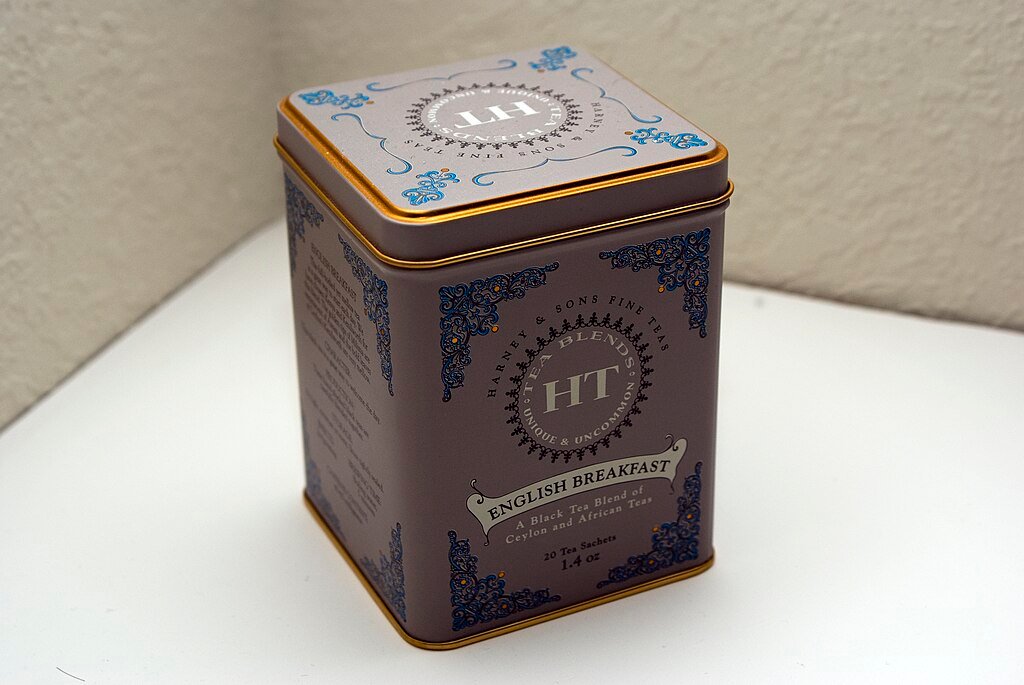
    1 ounce of English breakfast tea
    1 ounce of English breakfast tea

    These blends are carefully crafted to create a balanced and full-bodied cup of tea, making it an ideal choice to kickstart your day.

    The Taste Profile

    Bold and Malty:  The robustness of the tea leaves, especially the Assam and Kenyan varieties, contributes to its hearty and rich taste profile. Expect a strong, rich, and slightly astringent character that can stand up to milk and sugar.

    2019-3-Black tea - črni čaj Full-Bodied: This tea offers a full-bodied experience that fills your palate with its deep, satisfying flavor. It has a noticeable weight and presence in your mouth, making it an excellent choice for those who prefer a substantial tea.

    Hints of Sweetness: Amidst its boldness, English Breakfast Tea often carries subtle hints of sweetness. This sweetness can be likened to caramel or honey, providing a pleasant counterbalance to the tea’s robustness.

    Bright and Brisk: It also offers a brisk and lively quality. This means that it has a refreshing and slightly tangy edge, which adds a pleasant contrast to its rich malty notes.

    Versatile: One of the key characteristics of English Breakfast Tea is its versatility. While it’s traditionally enjoyed with milk and sugar, it can also be savored plain or with a slice of lemon. Its adaptable nature allows you to customize it to your taste preferences.

    Benefits of English Breakfast Tea

    •  Morning Boost: English Breakfast Tea contains caffeine, providing a gentle energy boost to help kickstart your day. It’s an excellent alternative to coffee for those seeking a morning pick-me-up.
    • Antioxidant-Rich: Like many black teas, English Breakfast Tea is packed with antioxidants, which may contribute to overall health by combating free radicals in the body.
    • Heart Health: Regular consumption of black tea, including English Breakfast, has been associated with potential benefits for heart health, such as improved cholesterol levels and reduced risk of heart disease.
    • Mental Alertness: The caffeine in English Breakfast Tea can enhance mental alertness and cognitive function, making it a favorite choice for concentration and focus.

    Ingredients in English Breakfast Tea

    English Breakfast Tea is typically made from a blend of black teas, which may includeRidgways Assam Tea tin pic2:

    • Assam Tea: Known for its bold and malty flavor, Assam tea is a prominent component of English Breakfast blends.
    • Ceylon Tea: Tea from Sri Lanka, often referred to as Ceylon tea, contributes to the tea’s briskness and brightness.
    • Kenyan Tea: Kenyan teas add depth and robustness to the blend.
    • Keemun Tea: Occasionally, Chinese Keemun tea is included, offering a unique smoky note to the mix.

    Calories in English Breakfast Tea

    A cup of plain English Breakfast Tea typically contains zero calories, making it a guilt-free beverage choice.

    The addition of milk and sugar will, of course, increase the calorie count, so keep that in mind if you’re monitoring your calorie intake.

    English Breakfast Tea vs. Black Tea

    English Breakfast Tea is indeed a type of black tea. However, the term “black tea” encompasses a wide range of tea varieties, while English Breakfast Tea refers specifically to a blend designed for a robust and flavorful morning brew.

    Is English Breakfast Tea Only for Breakfast?

    Contrary to its name, English Breakfast Tea can be enjoyed throughout the day. While it’s a popular choice for morning consumption, many tea enthusiasts savor it during afternoon tea or even in the evening.

    Can English Breakfast Tea Be Used for Iced Tea?

    Absolutely! English Breakfast Tea makes a delightful iced tea option. Brew it as you normally would, allow it to cool, add ice, and garnish with lemon or sweeten to taste.

    Origins and Name

    English Breakfast Tea’s origins can be traced back to the 19th century, likely in England or Scotland. The name likely reflects its popularity as a hearty breakfast beverage.

    Caffeine Content

    English Breakfast Tea contains caffeine, providing an energy boost similar to coffee. However, it generally has less caffeine than coffee, making it a milder option.

    English breakfast with tea in London

    Best Ways to Enjoy

    The best way to enjoy English Breakfast Tea varies from person to person. Some prefer it plain, while others add milk and sugar. Experiment with different variations to find your perfect cup.

    Milk and Sugar: Enhancing the Experience

    Many people prefer to enjoy English Breakfast Tea with a dash of milk and a touch of sugar.

    The addition of milk softens the tea’s astringency and highlights its malty notes, while sugar can enhance its sweetness. This classic combination is quintessentially British and is often referred to as “builder’s tea.”

    In summary, English Breakfast Tea is a tea lover’s delight, known for its bold, malty, and full-bodied flavor profile. It offers a harmonious blend of robustness and sweetness, with a refreshing briskness that invigorates your senses.

    Whether enjoyed plain or with milk and sugar, English Breakfast Tea provides a comforting and energizing start to your day.

    It’s a timeless classic that continues to captivate tea enthusiasts around the world, making it a beloved and cherished brew for all occasions.

  • Can you get Boba tea without caffeine?

    Can you get Boba tea without caffeine?

     Yes, you can absolutely enjoy Boba tea without caffeine.

    Tapioca pearls, commonly known as Boba, do not naturally contain caffeine. They are made from cassava root starch and are caffeine-free.

    The caffeine content in Boba tea primarily depends on the type of tea used as the base. Traditional Boba tea recipes use black tea or green tea as the base, and both of these teas naturally contain caffeine.

    If you want to enjoy Milk tea (as it is sometimes called) without caffeine, you can opt for alternatives.

    What Boba teas are caffeine-free?

    Here are some popular caffeine-free Boba tea options:

    • Fruit Tea: Fruit-based teas are typically caffeine-free. You can use fruit juices or fruit puree as the base and add tapioca pearls for texture. Common fruit tea flavors include mango, strawberry, peach, and lychee.
    • Honeydew: Honeydew tea is made using honeydew melon as the primary flavor. It’s typically caffeine-free and offers a sweet and refreshing taste.
    • Lychee tea is another fruity option that’s caffeine-free. It has a sweet and slightly floral flavor.
      Hibiscus Tea: Hibiscus tea, often known as “Agua de Jamaica,” is naturally caffeine-free and has a tart and tangy taste.
    • Chamomile tea is a popular herbal option for caffeine-free boba. It has a mild, soothing flavor and is often used as a base for relaxation-themed drinks.
    • Rooibos Tea is caffeine-free and has a mild, slightly sweet taste. It can be used as a base and pairs well with fruit flavors.
    • Cream Boba tea is made with coconut milk or cream, which is naturally caffeine-free. It offers a creamy and tropical flavor.
    • Almond Milk Tea is a dairy-free option made with almond milk, making it caffeine-free. It has a nutty and slightly sweet flavor.
    • Vanilla: Vanilla-flavored Boba tea is typically caffeine-free. You can use vanilla extract or syrup to add a sweet and aromatic element to your drink.
    • Chocolate: Chocolate Boba tea, made with cocoa powder or chocolate syrup, is caffeine-free. It provides a rich and indulgent flavor.
    • Matcha Latte: Matcha, a powdered green tea, contains caffeine but is often milder in caffeine content compared to black tea. You can use decaffeinated matcha powder to make a caffeine-free matcha latte.
    • Decaffeinated Black Tea: If you enjoy the flavor of black tea but want to avoid caffeine, you can opt for decaffeinated black tea bags or loose-leaf tea. Brew it and prepare your milk tea as usual.
    • Coffee Alternatives: Some coffee alternatives like herbal coffee or chicory coffee are caffeine-free and can be used to make a Milk tea that resembles a cafe latte.

    Thai Iced Bubble Tea - Sonoma Pho - Stierch - 2019

    Milk and sweetener alternatives for your Boba Tea

    After you replace the traditional black tea with one of the caffeine-free options listed above, you can customize your milk and sweetener to taste.

    • Tapioca Pearls (Boba): The pearls themselves do not contain caffeine, so you can use them in your caffeine-free tea. Follow the usual cooking instructions for them.
    • Sweeteners: To sweeten your tea, you can use sugar, honey, agave syrup, or other sweeteners to taste.
    • Milk or Milk Alternatives: If you like it creamy, you can use dairy or non-dairy milk like almond milk, coconut milk, or oat milk. Make sure your chosen milk alternative is also caffeine-free.
    • Flavorings: Enhance your Milk tea with natural fruit flavorings. You can use fresh fruit puree, fruit syrups, or extracts to add a burst of flavor.
    • Ice: Don’t forget to add ice cubes to your tea to make it refreshing.

    By following these steps, you can create a delicious and caffeine-free Boba tea that suits your taste preferences. It’s a great option for those who want to enjoy this delightful beverage without the stimulating effects of caffeine.

    When ordering, it is also good practice to confirm with the tea shop or check the ingredients if you have specific dietary preferences or restrictions.