Introduction to Arepas
Arepas are a traditional staple in Colombian cuisine, made primarily from ground maize dough. These versatile corn cakes can be filled, topped, or eaten plain, offering a multitude of culinary experiences. Arepas trace their origins back to the indigenous peoples of the region, specifically the Taino tribe, who cultivated maize and prepared a similar type of corn cake long before the arrival of European settlers. Over centuries, arepas have evolved into a beloved dish across Colombia, reflecting the rich cultural heritage and culinary diversity of the nation.
The cultural significance of arepas in Colombia cannot be overstated. They are more than just a food item; they symbolize community and tradition. In many Colombian households, making arepas is a family affair, often prepared during gatherings, celebrations, or as a comforting breakfast. They are commonly enjoyed at any time of the day, often served alongside various dishes or beverages, solidifying their role as a versatile food source.
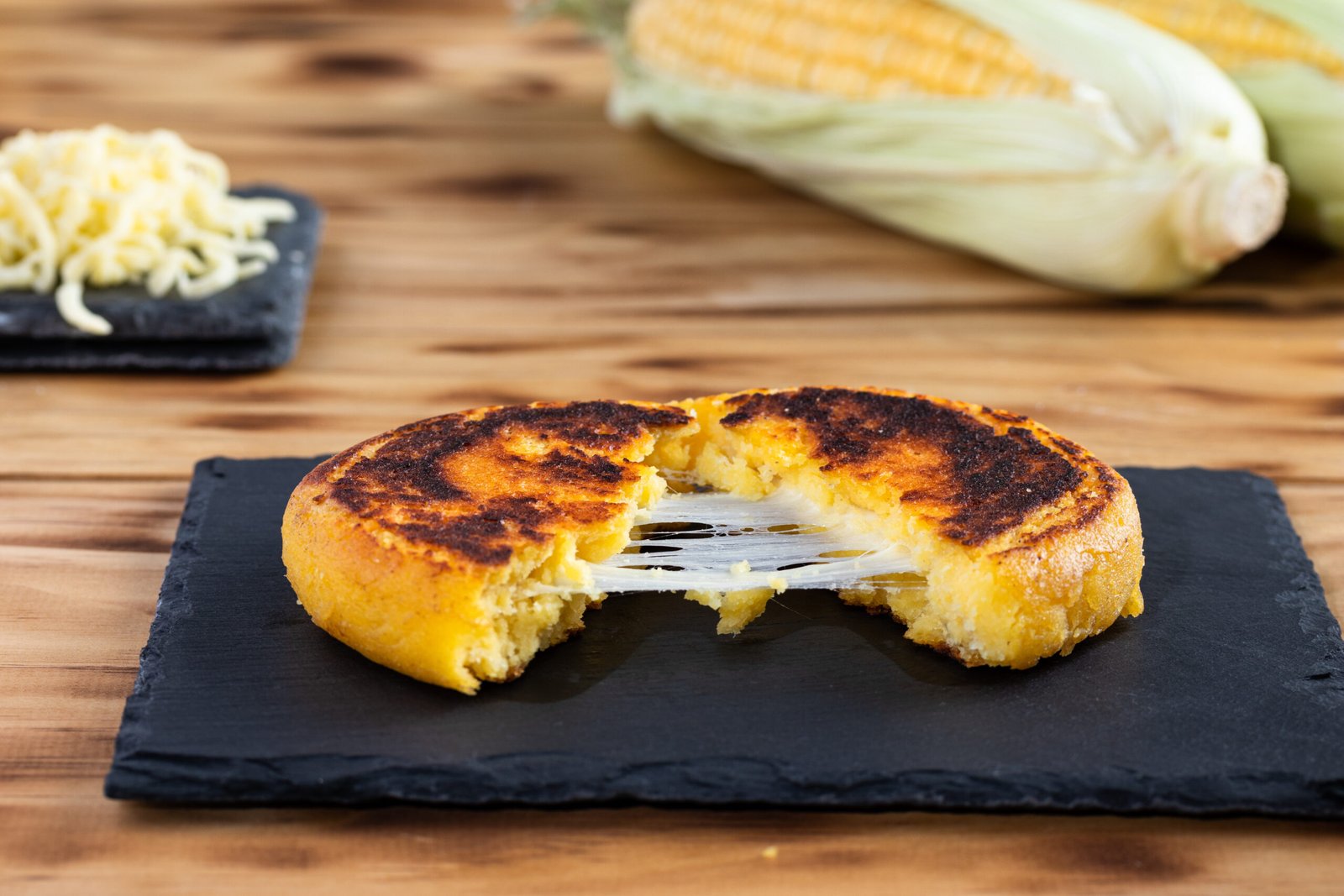
In terms of variations, there are numerous types of arepas, each distinguished by region, preparation, and ingredients. For instance, the arepa de choclo is a sweet variant made with fresh corn, while the arepa paisa includes a filling of cheese or meat. Cheese arepas particularly stand out as a quick and delicious breakfast option. These arepas are often characterized by their cheesy, savory flavor, making them an appealing choice for those seeking a hearty yet effortless meal. Cheese arepas can be simply grilled or baked, allowing for an easy preparation that fits into even the busiest of mornings.
Ingredients for Cheese Arepas
To create authentic Colombian cheese arepas, it is essential to gather the right ingredients, especially focusing on quality cheese and corn flour. The primary ingredient for traditional arepas is arepa flour, specifically prepared from ground white or yellow corn. Look for brands labeled as “masarepa,” which is finely ground and specifically suited for making arepas. This flour ensures that the arepas achieve the perfect texture—crispy on the outside and tender on the inside.
When it comes to cheese, the choice can significantly influence the flavor profile of the dish. A popular option is queso fresco, a soft and crumbly cheese that adds a delightful creaminess. However, other cheese choices include mozzarella or a blend of aged cheeses for a richer taste. Some recipes call for añejo cheese, which offers a saltier and more robust flavor, perfect for those who enjoy a stronger cheese in their arepas.
Besides cheese and flour, you might consider adding optional ingredients to elevate the taste. A pinch of salt is generally recommended, depending on the saltiness of the cheese selected.
For those seeking a touch of heat, incorporating chopped jalapeños or a sprinkle of chili powder can enhance the flavor complexity. Ingredients such as chopped green onions or fresh cilantro can also add a delightful freshness to the arepas.
The essential ingredients for cheese arepas include arepa flour, quality cheese such as queso fresco or mozzarella, and additional seasonings or flavorings to tailor the recipe to personal taste.
By carefully selecting these components, you can ensure a delicious and satisfying breakfast dish.
Step-by-Step Instructions for Making Arepas
Making cheese arepas is a delightful and straightforward culinary experience that can yield delicious results. To begin, gather the essential ingredients: arepa flour (masa arepa), water, salt, and your choice of cheese. Understanding the process of preparing this dish will enhance your breakfast experience.
First, measure one cup of arepa flour and place it in a mixing bowl. Gradually add one cup of warm water and a pinch of salt. Stir the mixture with a spoon or your hands until the dough forms. It should be moist but not sticky. If the dough feels dry, you can add a bit more water, while too much water may require additional flour.
Once the dough has the right consistency, knead it gently for a couple of minutes to enhance its elasticity. Next, divide the dough into equal portions, typically around four or five pieces, depending on your desired size for the arepas. Roll each piece into a ball and then flatten it gently to form a disc about half an inch thick.
At this point, you can choose to fill your arepas with cheese. Create a small indentation in the center of each disc and add a generous amount of cheese—queso fresco or mozzarella are popular choices. Fold the outer edges over the cheese and press to seal, ensuring the filling remains enclosed.
Now it’s time to cook the arepas. You have a couple of options: pan-frying or grilling. For pan-frying, heat a tablespoon of oil in a non-stick skillet over medium heat.
Add the arepas and cook for about five minutes on each side until they are golden brown and crisp. Alternatively, you can grill them for a smoky flavor, cooking them on medium heat until browned.
Whether pan-fried or grilled, aim for a crispy exterior and a warm, gooey cheese center. Experiment with different fillings and toppings to customize your Colombian cheese arepas, making them an exciting addition to your quick breakfast repertoire.
Serving Suggestions and Variations
Cheese arepas, a staple of Colombian cuisine, can serve as a versatile and fulfilling breakfast item. Their delightful taste offers numerous possibilities for customization and enhancement, making them a beloved choice for many. When considering how to enhance your cheese arepas, a variety of toppings and fillings are available to suit different preferences.
One popular way to enjoy arepas is by topping them with avocado slices or a generous spread of guacamole, which adds both creaminess and healthy fats.
For those who enjoy a bit of spice, incorporating salsa or a drizzle of hot sauce can provide a delightful kick. A sprinkle of fresh herbs such as cilantro or chives can elevate the flavors while adding a pop of color to your dish.
Cheese arepas pair wonderfully with various sides. A traditional accompaniment is a serving of scrambled eggs or fried eggs on the side, creating a hearty breakfast plate.
For those who prefer something lighter, a fresh fruit salad or yogurt can serve as a refreshing counterpart, balancing the richness of the arepas.
In addition, pairing the dish with coffee, herbal tea, or fresh fruit juices can complete the breakfast experience, enhancing the overall meal enjoyment.
For those looking to explore alternative fillings, the options are plentiful. Some may prefer to substitute the cheese with ingredients like shredded chicken, pulled pork, or sautéed vegetables, catering to different dietary preferences.
Other variations include adding a layer of black beans or mushrooms for added texture and flavor. This versatility allows everyone to tailor their arepa to their liking, ensuring that each meal is unique and satisfying.