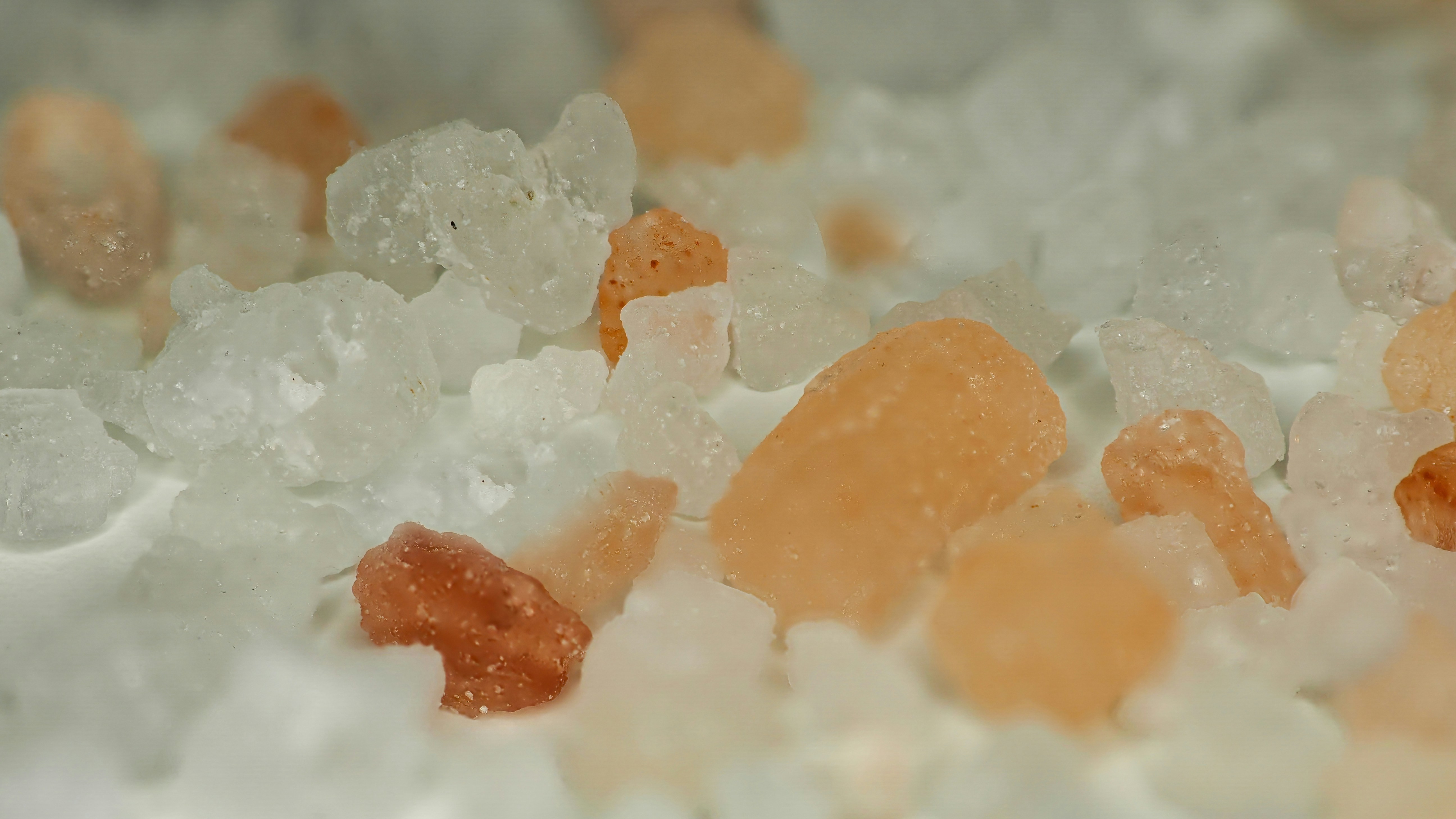
Salt is an essential mineral that has played a pivotal role in human history, serving not only as a flavor enhancer but also as a vital component in food preservation and health.
Among the various types of salt, sea salt and table salt are the most commonly used varieties.
Understanding their differences, including their sources and forms, provides insight into their unique properties and applications in culinary practices.
Sea salt is harvested through the natural evaporation of seawater. This method involves collecting seawater in shallow pools and allowing the sun and wind to evaporate the water, leaving behind salt crystals.
The mineral composition of sea salt can vary significantly based on the geographic location of the harvest. Consequently, sea salt often retains trace minerals and elements, which can impart a distinctive flavor and texture.
Sea salt is typically available in larger grains compared to table salt, making it a popular choice for culinary uses such as finishing dishes.
In contrast, table salt is primarily mined from underground salt deposits created through ancient evaporated seas. The mining process, which involves crushing and refining, results in fine, uniform grains.
Table salt usually undergoes extensive purification and often has anti-caking agents added to prevent clumping.
Due to its fine texture, table salt easily dissolves in liquids, making it a staple for cooking and baking, where precise measurements are required.
Historically, both sea salt and table salt have served critical roles in food preservation, trade, and even as a form of currency. The use of salt has evolved over the centuries, adapting to changing culinary practices and health considerations. Today, both types of salt are integral to global cuisines, each bringing a unique profile to the dishes they season.
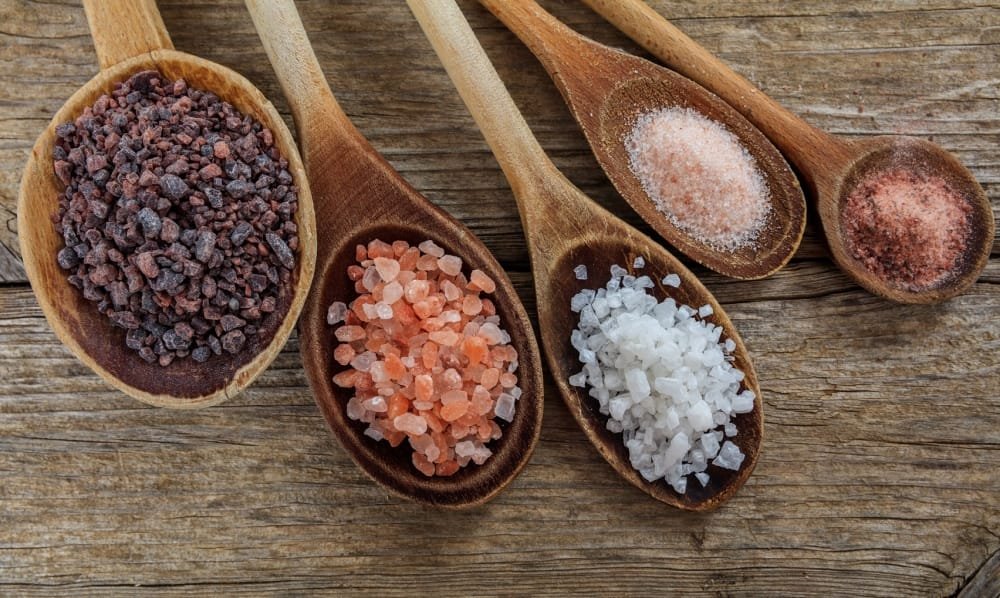
Salt Nutrition and Health Implications
When examining the nutritional profiles of sea salt and table salt, several important distinctions emerge, particularly in terms of mineral content and processing methods.
Sea salt is typically harvested through evaporating seawater, which allows it to retain trace minerals, such as magnesium, calcium, and potassium.
These minerals not only contribute to the flavor and color of sea salt but also have potential health benefits. In contrast, table salt undergoes extensive refining, resulting in a product that is predominantly sodium chloride.
This refining process strips away the natural minerals present in the salt, leaving a more uniform but less nutritionally diverse product.
Furthermore, many commercial table salts are often fortified with iodine, an essential nutrient that supports thyroid function. This fortification aims to prevent iodine deficiency, which can lead to various health issues.
On the other hand, not all sea salts contain iodine, making it crucial for consumers to consider their dietary habits and potential iodine intake when choosing between the two types of salt.
Another significant factor to consider is the sodium content in both sea salt and table salt. Despite the taste differences and mineral content, both types have comparable sodium levels.
Excessive sodium intake is linked to various health risks, including hypertension and cardiovascular diseases. Therefore, individuals should be mindful of their overall salt consumption, regardless of the type, to maintain a balanced diet and mitigate health risks.
In recent years, many have shifted towards using sea salt due to its perceived natural qualities, yet it is essential to recognize that moderation is paramount with any salt type to avoid the implications associated with high sodium intake.
Salt Flavor Profiles
In the realm of culinary applications, sea salt and table salt offer distinct flavor profiles and textural characteristics that can significantly influence the taste and presentation of dishes. Sea salt, harvested through the evaporation of seawater, typically possesses a coarser texture owing to its larger grain size.
This texture not only provides a satisfying crunch when used as a finishing salt but also allows for a more pronounced flavor release, as the crystals dissolve more slowly on the palate.
Sea salt often retains trace minerals from the seawater, such as magnesium and potassium, which can subtly enhance its flavor, imparting a slight brininess that works well in various savory dishes, salads, and seafood preparations.

Conversely, table salt is finely ground and often treated with additives such as anti-caking agents. This fine texture contributes to its uniformity, making it an ideal choice for baking, where even distribution of salt is crucial for achieving consistent results.
When used in cooking, table salt dissolves quickly, ensuring that flavors meld seamlessly throughout the dish. For many home cooks and professional chefs alike, the versatility of table salt makes it the go-to option for everyday seasoning, from soups and stews to sauces and marinades.
When considering which type of salt to use, it is essential to take the intended application into account. For recipes where texture and presentation matter, such as finishing grilled meats or garnishing vegetable dishes, sea salt is often preferred.
In contrast, for baking or dishes that require consistent mixing, table salt should be the primary choice. The distinction between these two salts ultimately lies in their unique qualities, making each suitable for particular culinary tasks and flavor enhancement.
Salt Harvesting
The production of salt, whether through sea salt harvesting or table salt mining, carries inherent environmental consequences that must be acknowledged.
Sea salt is typically derived from evaporating seawater, a process that can be more sustainable than mining for table salt, which usually involves extracting rock salt from the earth.
This latter method can lead to significant environmental disruptions, including habitat destruction, soil degradation, and groundwater pollution.
The ecological balance of the areas surrounding salt mines can be heavily affected by the extensive operations required to extract and process rock salt.
On the other hand, the methods involved in harvesting sea salt are often perceived as less intrusive. Traditional sea salt production can be conducted using low-impact methods, such as solar evaporation, which utilizes natural sunlight and wind to evaporate water from seawater.
This technique can be tailored to minimize harm to surrounding ecosystems. However, it is important to note that large-scale sea salt production can still lead to adverse effects such as coastal habitat loss and the alteration of local marine environments if not managed correctly.
Current trends in the salt industry emphasize the importance of sustainable practices and promoting environmental responsibility.
Many producers are now adopting strategies to reduce their carbon footprint and ensure the longevity of their resources.
The rise of consumer interest in sustainably sourced products has further motivated salt producers to implement better practices, including reduced water use and habitat restoration efforts.