Author: Editor

  • What is Käsekrainer?

    What is Käsekrainer?

    Käsekrainer is a type of Austrian sausage popular in Austria and neighboring countries like Germany and Slovenia.

    It is a variation of the traditional sausage known as “Krainer” or “Krainerwurst.”
    What sets Käsekrainer apart is its filling, which includes small pockets of Emmental or Swiss cheese inside the sausage.
    The sausage itself is typically made from a mixture of pork and beef, seasoned with spices such as salt, pepper, garlic, and paprika. The addition of cheese adds a rich, creamy texture and a burst of flavor when the sausage is cooked.
    Käsekrainer is often grilled or pan-fried until the casing is crispy and the cheese inside is melted and gooey. It is commonly served with mustard, ketchup, or horseradish, along with a side of bread or French fries.
    In Austria, it is a popular street food item, often enjoyed at festivals, markets, and outdoor events.

    How do you eat Käsekrainer?

    When it comes to enjoying Käsekrainer, a popular Austrian sausage filled with cheese, there are a few traditional ways to savor this delectable dish.
    One common method is to pair it with a hearty serving of fresh bread or a crispy roll. The combination of the savory sausage and the soft, warm bread creates a satisfying contrast in textures.
    Another way to eat Käsekrainer is to serve it alongside a dollop of tangy mustard or a side of flavorful sauerkraut.
    The sharpness of the mustard or the acidity of the sauerkraut complements the richness of the cheese-infused sausage, adding depth to each bite.
     
    Bratwurst on the grill

    Käsekrainer pronunciation

    The pronunciation of Käsekrainer can be a bit tricky for those unfamiliar with the German language. The correct way to say it is “kee-zeh-cry-ner.

    History of Käsekrainer

    Käsekrainer, a popular sausage originating from Austria, has a rich history dating back to the 1980s. The name “Käsekrainer” itself is derived from the German words “Käse,” which means cheese, and “Krainer,” referring to the traditional Krainer sausage.
    Created in the region of Styria, Käsekrainer gained popularity across Austria and beyond, due to its flavorful taste and satisfying texture.

    Over time, it has become a staple street food in Austrian markets, festivals, and restaurants.

    The recipe for Käsekrainer has evolved over the years, with variations incorporating different types of cheese and seasonings to suit diverse palates.

    What cheese is in Käsekrainer?

    Käsekrainer is a savory Austrian sausage that contains Emmental cheese.
    Emmental cheese
    Emmental cheese

    The cheese is mixed into the sausage meat to create a deliciously rich and gooey center once the sausage is cooked.

    Emmental cheese is known for its nutty and slightly sweet flavor, which adds an extra dimension to the already flavorful sausage.

    Käsekrainer recipe

    To prepare a delicious Käsekrainer, start by combining finely ground pork or beef with grated Emmental cheese, water, salt, pepper, garlic, and other spices in a large mixing bowl.

    Mix the ingredients until well combined, ensuring the cheese is evenly distributed throughout the meat. Once the mixture is ready, divide it into equal portions and shape them into sausage links.

    Next, preheat a grill or skillet over medium heat and cook the Käsekrainer sausages for about 10–15 minutes, turning occasionally to ensure even cooking

    The sausages should be cooked through and slightly charred on the outside.

     How to cook Käsekrainer

    To cook Käsekrainer, start by heating a pan over medium heat. Add a touch of oil to the pan and place the sausages on it, allowing them to cook until they are nicely browned on all sides. Remember to turn them frequently to ensure even cooking throughout.

    Once the Käsekrainer is golden and heated through, remove them from the pan and let them rest for a few minutes before serving.

    This will help the flavors settle and the cheese inside to melt slightly, enhancing the overall taste of the sausage.

    Enjoy your delicious Käsekrainer with your favorite side dishes or as a standalone treat!

    What to serve with Käsekrainer

    When it comes to enjoying Käsekrainer, selecting the ideal side dishes can elevate your culinary experience.Käsekrainer Pairing this savory sausage with some bread, pickles, and mustard offers a delightful experience.

    Alternatively, serving Käsekrainer with a fresh, zesty salad can provide a refreshing balance to the rich flavors of the sausage.

    A simple green salad tossed with a tangy vinaigrette dressing can complement the cheesy goodness of the Käsekrainer and add a pop of brightness to each bite.

  • Is Falafel gluten free?

    Is Falafel gluten free?

    Falafel can contain gluten, depending on how it is prepared. Traditional falafel recipes often include wheat flour to help bind the ingredients together, making them not gluten-free.

    However, there are gluten-free falafel recipes available that use alternatives like chickpea flour or omit flour altogether. When making or buying falafel, it is essential to check the ingredients carefully to ensure it is gluten-free

    Ingredients in Falafel

    The main ingredients in traditional falafel include chickpeas, fresh herbs such as parsley and cilantro, garlic, onion, cumin, and coriander. These ingredients are combined and formed into small patties before being fried to perfection.
     Some recipes may also call for the use of flour as a binding agent to help the falafel hold its shape during cooking.
     However, it is important to note that this flour can sometimes contain gluten, which may be problematic for individuals with gluten intolerance or celiac disease.

    It is recommended to opt for gluten-free alternatives such as chickpea flour or rice flour to ensure that the falafel remains suitable for those with gluten sensitivities.

    Gluten and its effects on health

    Gluten, a protein found in wheat, barley, and rye, has gained attention in recent years due to its potential effects on health.

    For individuals with celiac disease, an autoimmune condition triggered by the consumption of gluten, ingesting even small amounts of this protein can lead to severe intestinal damage and other complications.

    Symptoms of celiac disease can vary widely and may include digestive issues, fatigue, skin rashes, and nutrient deficiencies.

    While not as severe as celiac disease, gluten sensitivity can still significantly impact one’s quality of life.

    It is important for individuals experiencing recurring symptoms after consuming gluten-containing foods to consult with a healthcare professional for a proper evaluation and diagnosis.

    Falafel Con Pistachos (121423687)

    Is wheat used in falafel?

    Wheat is traditionally used in falafel as a binding agent. It helps hold the mixture of ground chickpeas or fava beans, herbs, and spices together before frying.

    The wheat flour acts as a glue that prevents the falafel mixture from falling apart during the cooking process.

    However, there are variations of falafel recipes that do not include wheat.

    Some recipes use alternative gluten-free flours, like chickpea flour or rice flour, as substitutes for wheat flour.

    These alternatives still provide the necessary binding element without gluten, making them suitable for those with gluten intolerance or celiac disease.

    Cross-contamination in falafel preparation

    Cross-contamination is a significant concern when preparing falafel, particularly for individuals with gluten intolerance or celiac disease.

    This risk can occur when equipment such as fryers, utensils, or countertops come into contact with gluten-containing ingredients, leading to the unintentional transfer of gluten to traditionally gluten-free foods like falafel.

    By maintaining a clean and organized kitchen space, regularly sanitizing equipment, and using separate utensils for gluten-free items, the risk of cross-contamination can be significantly reduced, allowing individuals with gluten intolerance to enjoy falafel safely.

    Gluten-free alternatives to traditional falafel ingredients

    Chickpeas are the primary ingredient in traditional falafel, lending the dish its signature texture and taste.

    For a gluten-free option, consider using alternative grains such as quinoa or millet. These alternatives not only provide a similar texture to chickpeas but also offer additional nutritional benefits.

    Additionally, roasted sweet potatoes or butternut squash can serve as a tasty and hearty substitute for chickpeas in gluten-free falafel recipes.

    When it comes to binding agents in gluten-free falafel, flaxseed meal or chia seeds can be used instead of traditional wheat flour or breadcrumbs.

    These options are not only rich in fiber but also aid in creating a cohesive mixture for shaping the falafel balls. Moreover, incorporating ground almonds or cashews into the falafel mixture can add a delicious nutty flavor while ensuring a gluten-free preparation.

    Tips for making gluten-free falafel at home

    When making gluten-free falafel at home, it’s crucial to start with gluten-free ingredients.

    Opt for chickpea flour or a combination of chickpeas and gluten-free oats instead of traditional wheat flour. Ensure that all spices and seasonings used are also certified gluten-free to avoid any potential cross-contamination risks.

    Another tip is to mix your falafel ingredients thoroughly to achieve the right texture. Adding a bit of water gradually can help bind the mixture without the need for gluten-containing ingredients.

    Once the mixture is ready, shape the falafel balls and either bake or fry them using gluten-free oil to achieve a crispy exterior. Enjoy your homemade gluten-free falafel with your favorite toppings and sauces!

    How to check if falafel is gluten-free when dining out

    When dining out and hoping to enjoy falafel without gluten, it’s essential to communicate your dietary needs clearly to the restaurant staff.

    Start by asking if their falafel is made with any wheat-based ingredients. Inquire about the possibility of cross-contamination during preparation, particularly if the falafel is fried in the same oil as gluten-containing foods.

    Consider asking for the list of ingredients used in their falafel recipe to ensure there are no hidden sources of gluten.

    Some establishments may even have a separate gluten-free menu or can offer alternative options to traditional falafel ingredients.

    Don’t hesitate to request information on how the falafel is cooked and if any precautions are taken to avoid gluten contamination. By being proactive and inquiring about these details, you can enjoy your falafel meal with peace of mind.

  • What does Tzatziki taste like

    What does Tzatziki taste like

    Tzatziki is a popular Greek sauce or dip that has a tangy flavor profile. Its primary ingredients typically include yogurt, cucumber, garlic, olive oil, and herbs such as dill or mint.

    The taste of tzatziki can be described as:

    • Creamy: The yogurt provides a creamy base, giving tzatziki a smooth and rich texture.
    • Tangy: The yogurt and lemon juice or vinegar contribute a tangy flavor to the sauce.
    • Garlicky: The addition of fresh garlic gives tzatziki a distinct and savory garlic flavor. The intensity of the garlic can vary based on personal preferences and regional variations.
    • Fresh: The cucumber adds a crisp and fresh element to the sauce, contributing both flavor and texture.
    • Herbaceous: Dill or mint is commonly used to enhance the sauce with herbal notes, adding a layer of freshness and complexity.
    • 02021 0428 (2) Eiersalat
    1. Slightly Salty: Depending on the type of yogurt and the amount of salt added, tzatziki can have a subtle saltiness that enhances its overall flavor profile.
    2. Cooling: Tzatziki is often served chilled, making it a cooling accompaniment that can balance out the heat from spicy dishes or grilled meats.
    3. Citrusy: If lemon juice is used in the recipe, it imparts a citrusy brightness to the tzatziki, enhancing the overall freshness.
    4. Mild Sweetness: The natural sweetness from the yogurt and sometimes the cucumber can provide a subtle, pleasant sweetness to the sauce.

     What does Tzatziki go well with?

    Tzatziki is a versatile and enjoyable condiment that complements a wide range of dishes and adds a burst of Mediterranean flair to your palate.

    Tzatziki is an incredibly versatile condiment, and it pairs well with a variety of dishes. Here are some popular options:

    1. Gyros or Souvlaki: Tzatziki is a classic accompaniment for Greek gyros or souvlaki (grilled meat skewers). It adds a cool and tangy contrast to the savory grilled meats.
    2. Pita Bread: Tzatziki makes an excellent dip for warm pita bread. The creamy and flavorful sauce complements the soft texture of the bread.
    3. Vegetable Sticks: Serve tzatziki as a dip for fresh vegetable sticks like cucumber, carrots, celery, or bell peppers. The cool and tangy dip enhances the natural flavors of the vegetables.
    4. Falafel: Tzatziki is a popular topping for falafel sandwiches or wraps. The combination of the crispy falafel with the creamy tzatziki is delicious.
    5. Grilled Meats: Use tzatziki as a sauce for grilled meats such as chicken, lamb, or beef. It adds moisture and flavor to the meat.Greek salad and Tzatziki
    6. Burgers and Sandwiches: Tzatziki can be used as a condiment for burgers or sandwiches, giving them a Mediterranean twist.
    7. Mediterranean Bowls: Include tzatziki in Mediterranean-style bowls with ingredients like olives, tomatoes, feta cheese, and grains such as quinoa or couscous.
    8. Baked Potatoes: Tzatziki can be a tasty topping for baked potatoes, providing a refreshing contrast to the starchy potatoes.
    9. Fish and Seafood: Pair tzatziki with grilled or baked fish and seafood. The bright and tangy flavors complement the seafood well.
    10. Salads: Use tzatziki as a dressing for Greek salads or other green salads. It adds a creamy and flavorful element to the dish.
    11. Rice Dishes: Serve tzatziki alongside rice dishes, especially those with Mediterranean or Middle Eastern flavors.

    Feel free to get creative and experiment with different combinations. Tzatziki’s versatile and well-balanced flavors make it a delightful addition to a wide range of meals.

    What is Tzatziki sauce made of?

    Here’s a traditional recipe for Tzatziki:

    Ingredients:

    • 1 cup Greek yogurt
    • 1 cucumber, finely grated
    • 2 cloves garlic, minced
    • 1 tablespoon extra-virgin olive oil
    • 1 tablespoon fresh lemon juice
    • 1 tablespoon fresh dill, finely chopped
    • Salt and pepper to taste

    Instructions:

    Prepare the Cucumber:

    Wash the cucumber and grate it finely using a box grater. You can peel the cucumber if you prefer, but it’s not necessary.

    Drain the Cucumber:

    Place the grated cucumber in a fine-mesh sieve or cheesecloth over a bowl. Sprinkle a pinch of salt over the cucumber and let it sit for about 15-20 minutes. This helps draw out excess moisture from the cucumber. Afterward, squeeze or press the cucumber to remove as much liquid as possible.

    Prepare the Yogurt:

    In a mixing bowl, combine the Greek yogurt, minced garlic, olive oil, and lemon juice. Mix well until the ingredients are evenly combined.

    Add Cucumber and Herbs:

    Stir in the grated cucumber and chopped fresh dill into the yogurt mixture. Mix thoroughly to ensure even distribution of ingredients.

    Season to Taste:

    Taste the tzatziki and season with salt and pepper according to your preference. Keep in mind that the flavors will meld as the tzatziki rests, so it’s okay to slightly under-season initially.

    Chill:

    Cover the tzatziki and refrigerate for at least 1-2 hours before serving. Chilling allows the flavors to meld and intensify.

    Serve:

    Before serving, give the tzatziki a final stir. You can garnish it with a drizzle of olive oil and a sprinkle of fresh dill if desired.

    Enjoy:

    Serve the tzatziki as a dip with pita bread, alongside grilled meats, or as a refreshing condiment for various dishes.

    This tasty homemade Tzatziki is simple to prepare and offers a deliciously authentic taste.

    You can also make other variations of the traditional Tzatziki recipe: Minty, Spicy, Avocado, and Yogurt and Sour Cream Blend.

    1. Minty Tzatziki:

    Additional Ingredient:

    • 1 tablespoon fresh mint, finely chopped

    Instructions:

    • Add the chopped mint to the traditional Tzatziki recipe during step 4. Mix well to incorporate the mint flavor. This version adds a refreshing and slightly sweet note to the classic Tzatziki.

    2. Spicy Tzatziki:

    Additional Ingredient:

    • 1/2 teaspoon cayenne pepper or a pinch of red pepper flakes

    Instructions:

    • Incorporate the cayenne pepper or red pepper flakes during step 4. Adjust the quantity to your preferred level of spiciness. This version adds a kick to the Tzatziki, making it suitable for those who enjoy a bit of heat.

    3. Yogurt and Sour Cream Blend:

    Additional Ingredient:

    • 1/2 cup plain sour cream in addition to the Greek yogurt

    Instructions:

    • Combine both the Greek yogurt and sour cream in step 3. This version results in a creamier and slightly tangier Tzatziki, offering a different texture and flavor profile.

    4. Avocado Tzatziki:

    Additional Ingredient:

    • 1 ripe avocado, mashed

    Instructions:

    • Mash the ripe avocado and add it during step 3 along with the Greek yogurt. Mix until smooth and well combined. This variation adds a creamy and velvety texture to the Tzatziki, along with the unique flavor of avocado.

    Feel free to experiment with these variations based on your taste preferences. Tzatziki is quite adaptable, and these additions can provide exciting twists to the classic recipe.

  • What does Palm wine taste like?

    What does Palm wine taste like?

    Palm wine has a taste that can be described as both sweet and sour.

    The taste of palm wine changes as it ferments, becoming more alcoholic and less sweet over time. Some people prefer it in its fresher, sweeter state, while others enjoy it as it matures into a stronger alcoholic drink with more complex flavors.

    Also known as ‘Pami’, ‘Ogwu Ngwo’, ‘Toddy’ or ‘Kallu’ in parts of Africa and Asia, Palm wine is a traditional alcoholic beverage made from the sap of various species of palm trees.

    Its taste can also vary slightly depending on factors like the type of palm tree, the region it’s sourced from, and the fermentation process. Generally, palm wine is described as having the following taste characteristics:

    Sweet: Freshly tapped palm wine has a natural sweetness. This sweetness can be subtle or pronounced, depending on the specific variety of palm tree, and the stage of fermentation.

    A picture of Palm-wine being tapped from a Palm tree in Africa
    Palm wine being tapped from a Palm tree in Africa


    Fruity: Palm wine often carries fruity notes, which can range from a mild, tropical fruit-like sweetness to a more complex flavor profile with hints of citrus, banana, or even a touch of coconut.

    Slightly Sour: In the early stages of fermentation, palm wine may have a mildly sour or tart undertone, similar to the taste of some fermented fruit beverages.

    Earthy: Palm wine can have an earthy quality, particularly in its more traditional, less refined forms. This earthiness can be reminiscent of the natural environment in which the palm trees grow.

    Refreshing: The overall taste of palm wine is refreshing, making it a popular choice in tropical regions as a cool and thirst-quenching beverage.

     Is palm wine sweet or sour?

    Palm wine can have a sweet or sour taste, depending on the stage of fermentation. Freshly tapped palm wine tends to be sweeter, while it may develop a slightly sour or tart flavor as it ferments further.

    Can palm wine get you drunk?

    Yes, palm wine is an alcoholic beverage, and consuming it in sufficient quantities can lead to intoxication. The alcohol content can vary, but it typically contains ethanol, which has intoxicating effects.

    What happens when you drink palm wine?

    When you drink palm wine, you may experience effects typical of alcoholic beverages, such as relaxation, decreased inhibitions, and, if consumed in excess, intoxication. Moderate consumption may be a pleasant and refreshing experience.

    Who should not drink palm wine?

    Individuals who should avoid drinking palm wine include pregnant women, individuals with alcohol use disorders, those taking medications that interact with alcohol, and anyone who wishes to abstain from alcohol for personal or health reasons.

    Does palm wine smell?

    Palm wine can have a distinct aroma, which is often described as sweet, fruity, and sometimes slightly sour due to the fermentation process.

    Is palm wine addictive?

    Palm wine, like other alcoholic beverages, has the potential for addiction if consumed in excess over an extended period. Alcohol addiction is a serious health concern.

    What is the spiritual use of palm wine?

    In some cultures, palm wine has spiritual and ritual significance. It may be used in religious ceremonies, offerings, or cultural rituals. Its spiritual use varies from one region to another.

    Palm Wine in Its Traditional Pot

    Is palm wine an antibiotic?

    Palm wine is not an antibiotic. It is an alcoholic beverage made from the sap of palm trees and is not used as a medical treatment for bacterial infections.

    What are the disadvantages of palm wine drink?

    Disadvantages of palm wine may include its alcoholic content, which can lead to health and social issues when consumed excessively. It should be consumed in moderation.

    Can palm wine make you sick?

    Consuming palm wine in moderation is unlikely to make you sick. However, excessive consumption can lead to alcohol-related health problems, including intoxication and hangovers.

    When should I drink palm wine?

    Palm wine is typically enjoyed at various times, including social gatherings, celebrations, and cultural events. The choice to drink it depends on individual preferences and occasions.

    Does palm wine increase cholesterol?

    There is no direct evidence that palm wine increases cholesterol. However, excessive alcohol consumption can have adverse effects on health, including impacting cholesterol levels.

    Does palm wine make you sleepy?

    Alcohol, including palm wine, is a depressant that can induce drowsiness or sleepiness, especially when consumed in larger quantities.

    Does palm wine cause headaches?

    Excessive alcohol consumption, including palm wine, can lead to headaches and hangovers due to dehydration and other factors.

     What are the two types of palm wine?

    There are typically two types of palm wine: “Toddy” or “Kallu,” which is the fresh sap extracted from palm trees before fermentation, and the fermented version, which is the result of allowing the sap to naturally ferment.

    How do you store palm wine?

    Palm wine should be stored in a cool and dark place to slow down further fermentation. If you wish to preserve its sweetness, it can be stored in a refrigerator.

    How is alcohol obtained from palm wine?

    Alcohol is naturally produced during the fermentation process of palm wine. Yeast and other microorganisms present in the environment convert the sugars in the sap into alcohol.

    Can palm wine be bottled?

    Yes, palm wine can be bottled for convenience and preservation. It’s common to find bottled palm wine in some regions, which allows for easier distribution and storage.

    Bottled palm wine. Photo by jypsygen

    Is palm wine organic?

    Palm wine is often considered organic as it is produced using traditional methods without the use of synthetic chemicals. However, the specific practices can vary 

    Why does palm wine turn sour?

    Palm wine turns sour due to the natural fermentation process. Microorganisms, including yeast, convert the sugars in the sap into alcohol and acids, leading to changes in taste.

     
  • How to store Okra at home

    How to store Okra at home

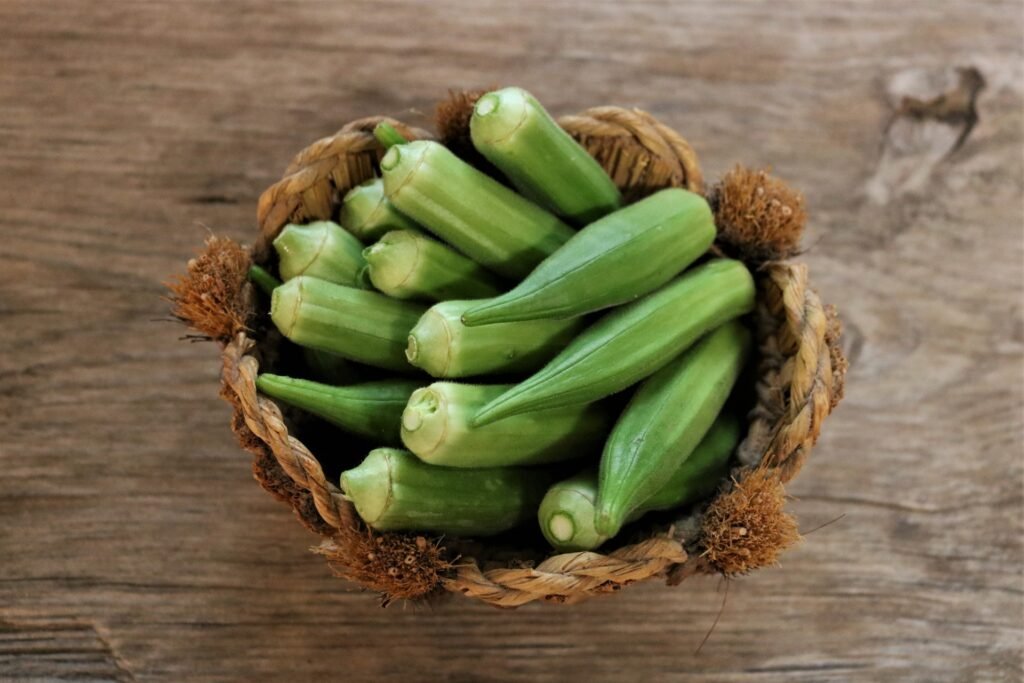
    Okra is an important ingredient in the cuisines of many cultures, including West African, Southern United States, Indian, Middle Eastern, and Caribbean cuisines. It is used in traditional dishes passed down through generations.

    It is low in calories and rich in nutrients, including fiber, vitamin C, vitamin K, vitamin A, folate, and antioxidants.  Okra is believed to have several health benefits, including improved digestive health due to its high fiber content.

    When selecting okra, look for small, firm, and bright green ones with no signs of bruising or blemishes. Okra can be stored for up to a week but is best consumed soon after purchase for optimal freshness.

    Storing okra to maintain its freshness and quality can be done in various ways:

    Use a fridge: The best way to store fresh okra is in the refrigerator.

    Place the okra in a perforated plastic bag or a container with a lid. This will help maintain humidity while allowing excess moisture to escape. Store it in the vegetable crisper drawer.

    Cool space: If you prefer not to use the fridge, store okra in a cool, well-ventilated place. A dark pantry or a cellar with good air circulation can work. Keep the okra in a container with a lid or a breathable bag to prevent moisture buildup.

    Drying: To store okra by drying, you can dehydrate it. Wash and slice the okra into rounds, then arrange the slices on a dehydrator tray.

    Follow your dehydrator’s instructions for drying time and temperature. Once dried, store the okra in an airtight container in a cool, dark place. Dried okra is excellent for adding to soups and stews.

    Dried Okra

    Freeze them: Okra can be frozen without blanching; it may result in a slightly softer texture. Simply wash and dry the okra, then slice it.

    Place the slices on a baking sheet and freeze them until they’re solid. Once frozen, transfer them to an airtight container or freezer bag. Use the frozen okra within a few months.

    Long-Term Storage: For long-term storage, consider canning or pickling okra. Canned okra can be stored for an extended period. Follow safe canning practices and use proper canning jars and lids.

    Pickled okra

    After Picking: After harvesting okra from your garden, immediately sort it to remove any damaged or overripe pods. Then, use one of the storage methods mentioned above to keep it fresh.

    Storing Okra Seeds: If you are interested in saving okra seeds, allow a few pods to mature fully on the plant. Once they are fully dry and brown, collect the seeds and store them in a cool, dry place, away from direct sunlight.

    Remember that okra is a highly perishable vegetable; its freshness can deteriorate quickly, especially at room temperature.

    Using the refrigerator or other appropriate storage methods will help prolong its shelf life and preserve its quality.

  • What does lettuce taste like?

    What does lettuce taste like?

    Lettuce, in its most common form, has a mild and subtle sweetness with a pleasant crispness.

    The taste is often described as clean and refreshing, making it an ideal base for salads and a popular choice for adding a subtle crunch to sandwiches.

    Varieties of Lettuce and Their Flavors

    • Iceberg Lettuce: This classic variety is known for its crisp texture and mild, slightly sweet taste. It’s an excellent choice for those who prefer a neutral base for their salads.

    Lactuca sativa Iceberg lettuce1
    Iceberg lettuce

    •  Romaine Lettuce: Romaine lettuce has a more pronounced, earthy flavor with a hint of bitterness. Its elongated leaves offer a hearty crunch, making it a favorite for Caesar salads.

    Picture of Romaine lettuce in the Philippines
    Romaine lettuce

    • Butterhead Lettuce: As the name suggests, butterhead lettuce is tender and almost melts in your mouth. It possesses a delicate, sweet flavor, making it a delightful choice for salads and lettuce wraps.

    Butterhead lettuce image
    Butterhead lettuce

    • Red Leaf Lettuce: This variety features vibrant, maroon-tinted leaves with a flavor similar to green leaf lettuce but with slightly bitter undertones. Its color adds an appealing contrast to salads.

    Red leaf Lettuce
    Red leaf Lettuce

    • Batavia Lettuce, also known as French crisp lettuce or Summer Crisp lettuce, is a type of loose-leaf lettuce.
      Salade batavia-4-cliche Jean Weber (23568694082)
      Arugula: While not technically a lettuce, arugula is often included in salad mixes. It boasts a peppery, slightly bitter taste that adds a unique zing to salads and sandwiches.

    Lettuce, a versatile leafy green, offers a mild, fresh flavor that is primarily sweet with little to no bitterness. Let’s address your questions about lettuce:

    • Is lettuce Sweet or Sour?

    Lettuce is generally sweet with no pronounced sourness.

    • Is lettuce bitter?

    Lettuce, in its most common forms, is not typically bitter. However, some varieties, such as red leaf lettuce, may have a slight bitterness.

    • Can we eat lettuce directly?

    Yes, lettuce can be eaten directly, either as a standalone snack or as part of salads and sandwiches. Cooking can cause it to wilt and lose its crisp texture. However, some people use it in cooked dishes like soups or stir-fries for a subtle flavor and added nutrition.

    • How do you prepare lettuce for eating?

    To prepare lettuce, wash it thoroughly to remove dirt and debris. You can tear or chop it into bite-sized pieces, depending on your preference. The leaves of lettuce are the edible part, and they come in various shapes and sizes depending on the variety.

    • What does lettuce do for your body?

    Lettuce is a low-calorie vegetable rich in vitamins, minerals, and fiber. It can contribute to hydration, support digestion, and provide essential nutrients.

    • Are lettuce and cabbage the same?

    Lettuce and cabbage are not the same; they belong to different plant families. Lettuce is a leafy green, while cabbage is a dense, round, or elongated vegetable with layered leaves.

    • What is the other name for lettuce?

      Another common name for lettuce is “salad greens.”

    •  Why is it called lettuce?

    The word “lettuce” is derived from the Latin word “lactuca,” which means “milky.” This refers to the milky fluid found in some lettuce varieties.

    • Is raw cabbage healthier than lettuce?

    Both raw cabbage and lettuce are healthy, but they offer different nutrients. Cabbage is a good source of fiber and vitamins, while lettuce is lighter and more hydrating.

    •  Is lettuce a fruit or vegetable?

    Lettuce is a vegetable because it is typically consumed for its leaves rather than its seeds or fruits.

    • What are the 4 main types of lettuce?

    The four main types of lettuce are iceberg, romaine, leaf, and butterhead lettuce. Each has distinct characteristics and flavors.

    • Which lettuce is tastiest?

    Taste is subjective, but many people enjoy the mild and crisp taste of romaine lettuce.

    • Which lettuce is healthiest?

    Nutrient content varies, but darker varieties like romaine and leaf lettuce tend to be more nutrient-dense.

    •  Which lettuce is used in a burger?

    Iceberg lettuce is a common choice for burgers due to its crisp texture.

    • How can you tell if lettuce is good to eat?

    Look for fresh, crisp leaves without wilting or discoloration. Check for a pleasant, mild aroma.

    • Which lettuce is the sweetest?

    Butterhead lettuce, such as Bibb or Boston lettuce, is known for its sweet, tender leaves.

    • Which part of lettuce is bitter?

    Some varieties of lettuce, like red leaf lettuce, may have slightly bitter outer leaves.

     Lettuce’s mild and versatile flavor makes it an ideal base for countless salads, sandwiches, and wraps. It can be enjoyed in a variety of ways, from adding a delicate crunch to your dishes to being a key ingredient in your favorite salad creations.

    Lettuce’s mild flavor allows it to pair wonderfully with a wide range of ingredients. To enhance the taste, consider awell-chosen dressing, such as a balsamic vinaigrette or creamy ranch.

    Combine lettuce with ingredients like ripe tomatoes, crunchy cucumbers, sweet bell peppers, or tangy cheeses to create a harmonious balance of flavors and textures.

     Fresh herbs like basil, cilantro, or mint, along with a sprinkle of sea salt and a dash of black pepper, can add depth to the overall taste.

    Also, incorporating grilled chicken, tofu, or chickpeas can turn a simple lettuce salad into a satisfying meal with contrasting flavors and textures.


  • African soups to eat with Fufu

    African soups to eat with Fufu

    Fufu is a staple food in many African countries, particularly in West and Central Africa. It is a dough-like food made from starchy ingredients like cassava, yam, plantains, or a combination of these.

    Fufu is typically served with a variety of flavorful and hearty soups.

    It’s hard to pick one with so many delicious options.

    Here’s our list of some popular African soups that are commonly enjoyed with Fufu:

    1. Egusi Soup: Egusi soup is a delicious and creamy soup made from ground melon seeds (egusi). It’s a popular choice in West Africa, especially Nigeria and Ghana. The soup is often cooked with leafy vegetables like spinach or bitter leaf and can include meat or fish.

    A picture of a bowl of Egusi Soup with vegetables and wraps
    Bowl of Egusi Soup with vegetables and wraps

    2. Groundnut soup, also known as peanut soup, is a rich and nutty soup made from ground peanuts. It’s a favorite in countries like Ghana and Nigeria. The soup is typically cooked with meat, fish, or chicken and flavored with spices like ginger and garlic.

    3. Light soup is a spicy and tangy tomato-based soup that’s commonly enjoyed with fufu in Ghana. It’s often made with chicken or fish and flavored with hot peppers and aromatic herbs.

    4.  Oha soup is a traditional Igbo dish in Nigeria. It features oha leaves, which have a unique flavor and can be cooked with various proteins like goat meat or cow tripe. The leaves add a distinct taste to the soup.

    Oha soup photo
    Oha soup

    5. Okra Soup: Okra (or Okro) soup is a popular choice in West Africa, including Nigeria and Ghana.

    Okro soup with shrimps,dried fish,cow leg and tail with meat
    Okro soup with shrimps, dried fish, cow leg, and tail with meat

    It’s made from sliced okra, which gives the soup a thick and slightly slimy consistency.  Okra/Okro soup can be prepared with various types of meat or seafood.

    6. Efo Riro is a Nigerian soup that’s rich in vegetables.

    It often includes ingredients like spinach, bell peppers, and scotch bonnet peppers, along with your choice of protein like beef, goat meat, or fish.

    Efo riro
    Efo riro soup

    7. Pepper soup is a spicy and aromatic broth made with various spices and hot peppers. It can be prepared with different types of meat, fish, or even offal. It’s popular in Nigeria, Cameroon, and other African countries.

    8. Banga Soup (Palm Nut Soup): Banga soup is a rich and flavorful soup made from palm fruit extract. It’s a specialty in Nigeria’s Niger Delta region and is often served with starch or fufu.

    Banga Soup
    Banga Soup with assorted meat and fish

    9. Miyan Kuka (Baobab Leaf Soup): This is a traditional Nigerian soup made from baobab leaves. It has a tangy taste and is often cooked with dried fish or meat.

    10. Taro Leaf Soup: Taro leaves are used to prepare this soup in many African countries, including the Democratic Republic of Congo. The leaves are cooked with various seasonings and often served with fufu.

    11.  Bitterleaf soup is a traditional Nigerian soup made with bitterleaf vegetables. Also called Onugbu soup, it is typically cooked with a variety of meats and seasoned with spices and palm oil.

    Fufu
    A piece of unwrapped Fufu

    12.Okazi soup, also known as Ukazi soup is similar to Afang soup, but is thicker. Its origins are from the Igbo ethnic region of Nigeria.

    13. Edikang Ikong is a popular Nigerian vegetable soup made with a combination of waterleaf and fluted pumpkin leaves. It’s known for its delicious and nutritious ingredients.

    14. Nsala Soup (White Soup): Ofe Nsala as it is popularly called,  is a Nigerian soup with a light, white color. Ofe Nsala as it is popularly called, is made with yam or plantains and typically includes fish or meat.

    Afang Soup (okazi)
    Afang Soup

    15. Afang Soup: This is a specialty of the Efik and Ibibio people in Nigeria. It’s made with a mixture of wild and cultivated vegetables, including Afang leaves.

    16. Ewedu soup is a Yoruba dish from Nigeria made with jute leaves. It has a mucilaginous texture and is often served with Amala (a type of fufu).

    Ewedu (Green soup) mixed with Gbegiri soup (yellow soup)
    Ewedu (Green soup) mixed with Gbegiri soup (yellow soup)

    17. Gbegiri Soup: Gbegiri is a Nigerian soup made from peeled and cooked black-eyed beans. It’s often served alongside Ewedu soup.

    18. Abenkwan (Palm Nut Soup): Abenkwan is a Ghanaian palm nut soup made from palm fruit extract. It’s a rich and creamy soup that pairs well with fufu.

    19. Domoda (Peanut Butter Soup): Domoda is a popular Gambian soup made with peanut butter, tomatoes, and various vegetables. It’s often served with rice or fufu.

    20. Atama soup is a traditional soup from the Efik and Ibibio tribes in Nigeria. It’s made with palm fruit concentrate and Atama leaves.

    21. Miyan Taushe (Pumpkin Soup): Miyan Taushe is a Nigerian soup from the north of the country, made with pumpkin leaves and groundnut (peanut) sauce. It’s often served with tuwo shinkafa (pounded rice) or Fufu.

    Picture of Miyan taushe
    Miyan Taushe

    22. Efo Elegusi is a Yoruba soup from Nigeria made with ground melon seeds and leafy vegetables. It’s a hearty and nutritious dish.

    23. Mafe (Groundnut Stew): Mafe is a West African stew made with groundnuts (peanuts), tomatoes, and various meats or vegetables. It’s commonly enjoyed with rice or fufu.

    24. Achu Soup: Achu is a Cameroonian soup made with pounded cocoyam and palm nut cream. It’s often served with yellow plantains and a spicy sauce.

    25. Cassava leaf soup is a staple in many West African countries. It’s made from cassava leaves and often cooked with meat, smoked fish, or crayfish.

    26. Egusi Ijebu is a Nigerian soup that features egusi (melon seeds) and is native to the Ijebu people of Nigeria. It’s often prepared with leafy vegetables and palm oil.

    Fufu served with Ogbono Soup
    Fufu served with Ogbono Soup

    27.  Ogbono soup is a thick and hearty Nigerian soup made from Ogbono seeds. It’s often prepared with leafy vegetables and various meats or fish.

    28. Sorrel soup is enjoyed in various African countries, including Senegal. It’s made from sorrel leaves and has a tangy flavor.

    29. Cowpea Soup: This is made from cowpeas (black-eyed peas) and is popular in several African countries. It’s often cooked with vegetables and spices.

    Pounding of fufu
    Fufu being pounded

    These diverse African soups showcase the rich culinary traditions of the continent and are enjoyed with various types of fufu or starchy accompaniments, depending on the region and local preferences.

  • What Does English Breakfast Tea Taste Like?

    What Does English Breakfast Tea Taste Like?

    English Breakfast Tea is renowned for its bold and malty flavor profile.

    It is a black tea blend that typically includes teas from different regions, most commonly Assam, Ceylon (Sri Lanka), and Kenyan teas.

    1 ounce of English breakfast tea
    1 ounce of English breakfast tea

    These blends are carefully crafted to create a balanced and full-bodied cup of tea, making it an ideal choice to kickstart your day.

    The Taste Profile

    Bold and Malty:  The robustness of the tea leaves, especially the Assam and Kenyan varieties, contributes to its hearty and rich taste profile. Expect a strong, rich, and slightly astringent character that can stand up to milk and sugar.

    2019-3-Black tea - črni čaj Full-Bodied: This tea offers a full-bodied experience that fills your palate with its deep, satisfying flavor. It has a noticeable weight and presence in your mouth, making it an excellent choice for those who prefer a substantial tea.

    Hints of Sweetness: Amidst its boldness, English Breakfast Tea often carries subtle hints of sweetness. This sweetness can be likened to caramel or honey, providing a pleasant counterbalance to the tea’s robustness.

    Bright and Brisk: It also offers a brisk and lively quality. This means that it has a refreshing and slightly tangy edge, which adds a pleasant contrast to its rich malty notes.

    Versatile: One of the key characteristics of English Breakfast Tea is its versatility. While it’s traditionally enjoyed with milk and sugar, it can also be savored plain or with a slice of lemon. Its adaptable nature allows you to customize it to your taste preferences.

    Benefits of English Breakfast Tea

    •  Morning Boost: English Breakfast Tea contains caffeine, providing a gentle energy boost to help kickstart your day. It’s an excellent alternative to coffee for those seeking a morning pick-me-up.
    • Antioxidant-Rich: Like many black teas, English Breakfast Tea is packed with antioxidants, which may contribute to overall health by combating free radicals in the body.
    • Heart Health: Regular consumption of black tea, including English Breakfast, has been associated with potential benefits for heart health, such as improved cholesterol levels and reduced risk of heart disease.
    • Mental Alertness: The caffeine in English Breakfast Tea can enhance mental alertness and cognitive function, making it a favorite choice for concentration and focus.

    Ingredients in English Breakfast Tea

    English Breakfast Tea is typically made from a blend of black teas, which may includeRidgways Assam Tea tin pic2:

    • Assam Tea: Known for its bold and malty flavor, Assam tea is a prominent component of English Breakfast blends.
    • Ceylon Tea: Tea from Sri Lanka, often referred to as Ceylon tea, contributes to the tea’s briskness and brightness.
    • Kenyan Tea: Kenyan teas add depth and robustness to the blend.
    • Keemun Tea: Occasionally, Chinese Keemun tea is included, offering a unique smoky note to the mix.

    Calories in English Breakfast Tea

    A cup of plain English Breakfast Tea typically contains zero calories, making it a guilt-free beverage choice.

    The addition of milk and sugar will, of course, increase the calorie count, so keep that in mind if you’re monitoring your calorie intake.

    English Breakfast Tea vs. Black Tea

    English Breakfast Tea is indeed a type of black tea. However, the term “black tea” encompasses a wide range of tea varieties, while English Breakfast Tea refers specifically to a blend designed for a robust and flavorful morning brew.

    Is English Breakfast Tea Only for Breakfast?

    Contrary to its name, English Breakfast Tea can be enjoyed throughout the day. While it’s a popular choice for morning consumption, many tea enthusiasts savor it during afternoon tea or even in the evening.

    Can English Breakfast Tea Be Used for Iced Tea?

    Absolutely! English Breakfast Tea makes a delightful iced tea option. Brew it as you normally would, allow it to cool, add ice, and garnish with lemon or sweeten to taste.

    Origins and Name

    English Breakfast Tea’s origins can be traced back to the 19th century, likely in England or Scotland. The name likely reflects its popularity as a hearty breakfast beverage.

    Caffeine Content

    English Breakfast Tea contains caffeine, providing an energy boost similar to coffee. However, it generally has less caffeine than coffee, making it a milder option.

    English breakfast with tea in London

    Best Ways to Enjoy

    The best way to enjoy English Breakfast Tea varies from person to person. Some prefer it plain, while others add milk and sugar. Experiment with different variations to find your perfect cup.

    Milk and Sugar: Enhancing the Experience

    Many people prefer to enjoy English Breakfast Tea with a dash of milk and a touch of sugar.

    The addition of milk softens the tea’s astringency and highlights its malty notes, while sugar can enhance its sweetness. This classic combination is quintessentially British and is often referred to as “builder’s tea.”

    In summary, English Breakfast Tea is a tea lover’s delight, known for its bold, malty, and full-bodied flavor profile. It offers a harmonious blend of robustness and sweetness, with a refreshing briskness that invigorates your senses.

    Whether enjoyed plain or with milk and sugar, English Breakfast Tea provides a comforting and energizing start to your day.

    It’s a timeless classic that continues to captivate tea enthusiasts around the world, making it a beloved and cherished brew for all occasions.

  • How to cut a cucumber

    How to cut a cucumber

    Cutting a cucumber is a simple and essential culinary skill. Here’s a step-by-step guide on how to cut a cucumber into common shapes and sizes:

    Basic tools you’ll need:

    • A sharp knife
    • A cutting board

    Steps to cut a cucumber:

    1. Wash the Cucumber: Before you begin, thoroughly rinse the cucumber under cold running water to remove any dirt or contaminants from the skin.
    2. Trim the Ends: Place the cucumber on a cutting board and use your knife to trim off both ends. This step ensures that you have a clean starting point.
    3. Peel (Optional): Depending on your preference and the cucumber variety, you can choose to peel the cucumber or leave the skin intact. To peel, use a vegetable peeler or a knife and gently remove the skin in a downward motion. Some cucumbers have thin, tender skins and may not require peeling.
    4. Slice into Rounds:
      • For cucumber rounds, simply slice the cucumber crosswise into even pieces. The thickness of the rounds can vary based on your preference, but a common thickness is about 1/4 to 1/2 inch (0.6 to 1.3 cm).
    5. Cut into Half-Moons:
      • To create cucumber half-moons, start by slicing the cucumber into rounds as mentioned above. Then, cut each round in half to create semi-circular pieces.
    6. Dice or Cube:
      • For cucumber cubes or dice, first cut the cucumber in half lengthwise to create two long halves.
      • Lay one-half flat on the cutting board and make lengthwise cuts to create cucumber sticks or batons.
      • Then, gather the sticks and make perpendicular cuts to create cubes or dice of your desired size.
    7. Julienne (Matchstick Cuts):
      • To julienne a cucumber, start by cutting the cucumber in half lengthwise, as in the previous step. Then, cut each half into thin, matchstick-sized strips. These can be used in salads or as a garnish.
    8. Spiralize (Optional):
      • If you have a spiralizer, you can create cucumber noodles (also known as “cucumber spirals”). Simply spiralize the cucumber using the appropriate blade attachment on your spiralizer. These cucumber noodles are great for salads or as a low-carb pasta alternative.
    9. Serve or Store: Once you’ve cut the cucumber into your desired shape, you can use it immediately in your recipe, garnish a dish, or store it in an airtight container in the refrigerator for later use. Cucumbers are best when used fresh to retain their crispness and flavor.

    Frequently Asked Questions

    We’ll explore various cucumber-cutting techniques, serving styles, and the numerous health benefits of enjoying this green gem.

    How to Cut Cucumber Decoratively

    1. Flower-Shaped Slices: Create an eye-catching cucumber garnish by slicing it crosswise into thin rounds. Make several small cuts around the edges of each round to resemble flower petals.
    2. Cucumber Fans: To make cucumber fans, start with a peeled cucumber. Slice it lengthwise into thin strips, leaving a small portion uncut at the top to hold the slices together. Gently fan out the slices to create an elegant presentation.

    How to Cut Cucumber into Strips

    1. Cucumber Sticks: For a quick and healthy snack, cut cucumbers into long, thin sticks, similar to carrot sticks. These are perfect for dipping in hummus or tzatziki.

    Slicing cucumber (5442160654)
    Cucumber spears

    How to Cut Cucumber for Salad

    1. Classic Slices: The most common way to prepare cucumbers for salads is to slice them into rounds or half-moons. These slices add a refreshing crunch to your greens.
    2. Cucumber Ribbons: Use a vegetable peeler to create cucumber ribbons for a unique salad texture. Simply run the peeler along the length of the cucumber.

    How to Cut Cucumber for Snacks

    1. Cucumber Rounds: Slice cucumbers into rounds for a simple, healthy snack. Top them with a sprinkle of salt and pepper or your favorite seasoning.
    2. Cucumber Chips: For a low-calorie chip alternative, slice cucumbers thinly and bake them in the oven until they become crispy.

    How to Cut Cucumber in Different Shapes

    1. Cucumber Stars: Use a small star-shaped cookie cutter to create cucumber stars for a fun and kid-friendly garnish.
    2. Cucumber Hearts: Similar to the stars, cut cucumbers into heart shapes with a cookie cutter for a romantic touch.

    How to Cut Cucumber Chinese Style

    1. Diagonal Slices: In Chinese cuisine, cucumbers are often sliced diagonally. This technique provides larger, more irregularly shaped pieces that absorb sauces well.

    How to Cut Cucumber Long Ways

    • Cucumber Spears: Cut cucumbers lengthwise into long, narrow spears for a different take on cucumber sticks.

    How to Cut Cucumber for Charcuterie Board

    • Cucumber Rounds or Batons: Arrange cucumber rounds or batons on your charcuterie board for a refreshing contrast to cured meats and cheeses.

    How to Cut Cucumber for Coleslaw

    • Matchsticks or Shredded: When preparing cucumber for coleslaw, you can julienne them into matchsticks or shred them finely, depending on your coleslaw recipe preference.

    What Are the Benefits of Eating Raw Cucumbers?

    Eating raw cucumbers provides numerous health benefits, including hydration, a good source of vitamins and minerals, and potential antioxidant and anti-inflammatory properties. Cucumbers are also low in calories and can support weight management.

    Can You Eat Cucumber Raw?

    Yes, cucumbers are commonly eaten raw. Their refreshing taste and crisp texture make them a popular choice for raw consumption, whether in salads, sandwiches, or as a snack.

    Is It Better to Eat Cucumber with or Without Skin?

    Cucumber skin is a good source of fiber and contains some additional nutrients. However, some people may prefer to peel cucumbers due to personal taste or digestive sensitivities. Eating cucumbers with the skin on is generally recommended for maximum nutritional benefits.

    Can You Eat Cucumber Every Day?

    Yes, cucumbers are a healthy addition to your daily diet. They are low in calories, hydrating, and packed with vitamins and minerals. However, like any food, moderation is key, and it’s essential to maintain a balanced diet.

    Is It Good to Eat Cucumber on an Empty Stomach?

    Eating cucumber on an empty stomach can be a refreshing and hydrating choice. It can help kickstart your digestion and provide a light and healthy start to your day.

    Incorporate these cutting techniques and serving styles to make the most of cucumbers in your meals and snacks. Whether you prefer them as a decorative garnish, a crunchy salad component, or a simple snack, cucumbers offer both versatility and health benefits when enjoyed raw.

    Remember to exercise caution when using a sharp knife, and keep your fingers away from the blade while cutting. With these simple steps, you can easily prepare cucumbers for a wide range of culinary applications.

  • What does a sea cucumber taste like

    What does a sea cucumber taste like

    The taste of a sea cucumber can vary depending on how it’s prepared and the specific species. In general, sea cucumbers are often described as having a mild, subtle flavor.

    Some people liken their taste to a mix of seafood and a hint of oceanic brininess.

    When properly cooked and seasoned, sea cucumbers can take on the flavors of the ingredients they are prepared with, making them a versatile ingredient in various dishes.

    The texture of a sea cucumber is a significant part of its culinary appeal.The Sea Cucumber

    When cooked, it becomes soft and gelatinous, with a slightly chewy and springy texture that can be pleasant in certain dishes.HK Mongkok 601 Nathan Road Chong Hing Plaza 魚翅大排檔 Shark's Fin Restaurant food March 2019 SSG 01

    Sea cucumbers are popular in many Asian cuisines, particularly Chinese, where they are often used in soups, stir-fries, and stews, absorbing the flavors of the surrounding ingredients.

    Overall, the taste and texture of a sea cucumber can be an acquired taste for some, but it is appreciated for its ability to complement and absorb the flavors of the dishes it is prepared in.

    Sea cucumbers, often considered oceanic oddities, have gained popularity not only for their unique appearance but also for their potential health benefits and culinary uses.

    We’ll now dive into the fascinating world of sea cucumbers, answering common questions about their consumption, nutritional value, cost, and more.

    Is it safe to eat Sea Cucumbers?

    Yes, it is perfectly safe to eat sea cucumbers, and they are a delicacy in many parts of the world. However, it’s essential to prepare them properly, remove any potentially toxic parts, and purchase them from reputable sources to ensure they are safe for consumption.

    Is Sea Cucumber a Fish?

    No, sea cucumbers are not fish. They belong to a separate group of marine animals known as echinoderms. Echinoderms also include starfish, sea urchins, and sand dollars.

    Sea cucumbers are more closely related to these creatures than to fish.

    Cohombro de mar pardo (Holothuria arguinensis), Parque natural de la Arrábida, Portugal, 2020-07-23, DD 34 What Does Sea Cucumber Do for the Body?

    Sea cucumbers are believed to offer several health benefits. They are a good source of protein, vitamins, and minerals. Some potential health benefits of sea cucumbers include promoting joint health, supporting the immune system, and aiding in wound healing due to their high collagen content.

    What Are Three Interesting Facts About Sea Cucumbers?

    • Natural Filtration: Sea cucumbers play a vital role in marine ecosystems as natural recyclers. They feed on detritus and plankton, helping to maintain the health of ocean floors.
    •  Regenerative Abilities: Sea cucumbers have impressive regenerative abilities. If a predator attacks them and they lose a portion of their body, they can regenerate the lost parts over time.
    • Prized Delight: Sea cucumbers are a prized ingredient in various cuisines, particularly in Asian countries. They are used in soups, stir-fries, and stews for their unique texture and ability to absorb flavors.

    Which Country Eats Sea Cucumber?

    Sea cucumbers are consumed in many countries, but they are particularly popular in Asian cuisines. China, Japan, South Korea, and Southeast Asian countries have a long history of incorporating sea cucumbers into their traditional dishes.

    What is Another Name for Sea Cucumber?

    Sea cucumbers are sometimes referred to as “holothurians.” This name is derived from their scientific classification within the phylum Echinodermata.

    In conclusion, sea cucumbers are not only safe to eat but also offer potential health benefits. Their unique texture and ability to absorb flavors make them a prized ingredient in various culinary traditions worldwide.

    Their culinary and nutritional value makes them a sought-after delicacy in many cultures.

  • What does Banana taste like?

    What does Banana taste like?

    Banana flavor is often described as a combination of fruity and slightly tangy notes. The texture is creamy and soft, making it a pleasant and easy-to-eat fruit.

    Bananas belong to the Musaceae family. They are one of the most popular fruits globally, prized for their natural sweetness, creamy texture, and versatility in culinary applications.

    Do bananas taste sweet or sour?

    Bananas are primarily known for their sweet taste. When they are fully ripe, they have a natural sweetness with subtle hints of tartness, but the sweetness dominates.

    Types of Banana

    Bananas come in various shapes and sizes, but the most common type is the Cavendish banana, known for its bright yellow skin and sweet, slightly tangy flavor.

    Other types of bananas include plantains, Lady Finger bananas, and red bananas. Each variety offers a distinct taste experience.

    What Does a Red Banana Taste Like?

    Red bananas are shorter and plumper than their yellow counterparts, with reddish-purple skin. Their flavor is a delightful blend of sweet and slightly tangy notes. Red bananas are often compared to Cavendish bananas but are typically creamier and more robust in taste, with subtle raspberry undertones.

    Which banana is sweeter?

    Among the common banana varieties, the Cavendish banana is often considered one of the sweetest when fully ripe. However, there are other sweeter banana varieties such as the

      • Gros Michel
      • Manzano
      • Some specialty bananas like the sugar banana (also known as the finger banana)
      • Honey banana.

     What makes a banana sweeter?

    The sweetness of a banana is influenced by several factors:

        • Ripeness: As a banana ripens, its starches convert into sugars, making it sweeter over time.
        • Variety: Different banana varieties have varying levels of natural sweetness. Some are naturally sweeter than others.
        • Growing Conditions: Factors such as climate, soil quality, and cultivation methods can affect the sweetness of bananas.
        • Storage: Proper storage conditions can help bananas ripen evenly, enhancing their sweetness.

    In general, the level of ripeness and the banana variety play crucial roles in determining its sweetness. Some people prefer bananas when they are just ripe and slightly firm, while others enjoy them when they are fully ripe with a sweet and soft texture.

    What does a banana smell like?

    Bananas are known for their distinctive and pleasant aroma. The smell of a ripe banana is often described as sweet, fruity, and tropical.

    It has a strong, fruity fragrance with notes of vanilla and a hint of citrus. Some people also detect a floral undertone in the scent of ripe bananas.

    The aroma of a ripe banana is a significant part of its appeal and is often associated with the fruit’s readiness to eat.

    It’s one of the reasons why bananas are a popular choice for baking, smoothies, and various culinary applications, as their scent can add a delightful fragrance to dishes.

    Overall, the smell of a ripe banana is generally well-liked and considered inviting.

  • Difference Between Street Food and Fast Food: 23 comparisons

    Difference Between Street Food and Fast Food: 23 comparisons

    It is often an argument whether street food and fast food are the same, and whether street food can be a healthy option for weight loss

    In this article, we’ll answer these questions and explore the key differences between street food and fast food.

    First, let’s start by asking:

    What is Street Food?

    These ready-to-eat foods and beverages are prepared and sold by local vendors in public spaces, typically on the streets, sidewalks, or in open-air markets. Street food is popular, and an integral part of many cultures around the world.

    StreetfoodNY What is Fast Food?

    Fast food refers to a type of food that is prepared quickly, typically served at restaurants or established eateries that emphasize speed and convenience in both the ordering and serving processes.

    Restaurant Chick-Fil-A in Sugar House SLC                               Comparisons and differences

    1.Menu Variety:

    Street Food: Street food vendors often specialize in a limited number of dishes, showcasing local or regional specialties. The menu tends to be compact but full of flavor.

    Korean.snacks-Street food-01 Fast Food:   Fast food restaurants, on the other hand, boast extensive menus with a wide range of items, from burgers and fries to salads and breakfast options. Variety is their strong suit.

    Fast food menu
    Fast food menu

    2. Preparation:

    Street Food: Street food is typically prepared fresh to order right in front of customers, adding a personalized and artisanal touch to each dish.

    Fast Food: Fast food is often prepared in commercial kitchens with standardized processes and assembly-line cooking, emphasizing speed and efficiency.

    3. Ingredients and Health Considerations:

    Street Food can vary widely in terms of ingredients and healthiness. Some vendors prioritize fresh and locally sourced ingredients, offering relatively healthier options. However, indulgent choices abound, like deep-fried treats.

    Fast Food has faced criticism for its use of processed ingredients, high sodium content, and unhealthy cooking methods. Many fast food chains have begun to offer healthier menu options in response to health concerns.

    4. Price Range:

    Street food is typically more budget-friendly, catering to a range of wallets while still offering good value for money.

    Fast Food prices are competitive and often come with combo meals and value deals, making them an affordable option.

    5. Ownership and Branding:

    Street food vendors are often small, local businesses that may not have significant branding or advertising budgets. They’re deeply ingrained in their communities.

    Fast food chains are typically part of large corporations with established branding and marketing efforts. Their logos and mascots are recognizable worldwide.

    HK WC 灣仔 Wan Chai McDonald's fast food restaurant January 2020 SS2  6. Cultural and Regional Influences:

    Street food reflects local and regional culinary traditions, providing an authentic and culturally diverse experience.

    Fast food chains offer standardized menus globally, with minimal adaptation to local tastes. It’s a uniform experience wherever you go.

    7. Environmental Impact:

    Street food vendors often use fewer resources and produce less waste since their operations are compact and mobile. They are generally more environmentally friendly.

    Fast food restaurants have larger physical footprints and produce more packaging waste, making them less eco-friendly by comparison.

    8. Authenticity:

    Street food is celebrated for its authenticity, offering a taste of local culture and traditions.

    Street Food Shop Fast food is consistent but may lack the regional flair and authenticity found in street food.

    9. Popularity:

    Street food is incredibly popular worldwide, drawing both locals and tourists seeking an authentic culinary experience.

    Fast food is also highly popular, especially among those looking for a quick and familiar meal.

    10. Convenience:

    Street food is convenient in the sense that it’s readily available while you’re out and about, often found in bustling urban areas or near popular attractions.

    Fast food is known for its drive-thru service, making it convenient for those on the road or in a hurry.

    11. Freshness:

    Street food is often made fresh on the spot, with ingredients sourced locally, providing a sense of immediate freshness.

    Fast food, while quick, may rely more on pre-packaged and processed ingredients, potentially impacting the perception of freshness.

    12. Healthier Choices:

    A Suya meat seller along the road
    Suya vendor

    Many street food vendors offer healthier options, such as salads, grilled meats, and fresh fruit. It’s possible to find nutritious choices.

    Fast food chains have introduced healthier menu items, but they are often seen as having fewer healthy options overall, with many items high in calories and fat.

    13. Opening Hours:

    Street food vendors often operate during specific hours, primarily in the evenings or on weekends, depending on the location.

    Fast food restaurants usually have longer opening hours, often offering 24/7 service.

     14. Social Experience:

    Dining at street food stalls often involves a social experience, as customers interact with vendors and fellow patrons in an open-air setting.

    Fast food dining is often more solitary, with customers focused on quick consumption, especially in drive-thru situations.

    15. Dietary Restrictions:

    Street food vendors may offer more flexibility in accommodating dietary restrictions and preferences, as they can often customize dishes.

    Fast food chains may have limited options for those with specific dietary requirements, but they are increasingly offering alternatives.

    15. Culinary Innovation:

    Street food is known for its innovation, with vendors frequently experimenting and creating new dishes or fusions of traditional recipes.

    Dishes at Chinese fusion restaurant "Masa's kitchen" in Tokyo 10

    Fast food menus tend to evolve more slowly, with changes and innovations happening on a corporate level.

    16. Support for Local Economy:

    Purchasing street food often directly supports local entrepreneurs and small businesses, contributing to the local economy.
    Street food vendors mexico IMG 5439

    While fast food franchises employ local staff, a significant portion of profits may go to corporate headquarters.

     17. Portability:

    Street food is designed for easy portability, often served in handheld containers or on skewers, making it convenient for eating on the go.

    Fast food is also designed for portability, with items like burgers and sandwiches served in paper wrappers or containers.

    18. Local Ingredients:

    Street food vendors often use locally sourced ingredients, which can vary based on the region and season, contributing to the local economy.

    Fast food chains often rely on standardized, mass-produced ingredients, which may not always reflect local agricultural or culinary diversity. Some items are even imported.

    19. Food Safety:

    Food safety practices among street food vendors can vary widely, but many insist on prioritizing hygiene to maintain their reputation and customer trust.

    Fast food chains typically adhere to strict food safety and quality control standards, ensuring consistency and minimizing health risks. They are for the most part, better regulated.

    20. Speed of Service:

    Street food is often served quickly, especially for items that are pre-prepared or easy to assemble.

    As the name suggests, fast food is designed for rapid service, with drive-thru options for even faster convenience.

     21. Seating:

    Street food dining is often informal, with limited or no seating provided. Customers may eat while standing or find nearby public seating.

    Fast food restaurants typically offer indoor and outdoor seating options for dine-in customers.

    Pepper Lunch in New Town Plaza Phase 3 interior 2017 22. Payment Methods:

    Street food vendors often accept cash payments, but in some urban areas, digital payment options like mobile apps are becoming more common.

    Fast food chains widely accept both cash and digital payment methods, including credit and debit cards.

     23. Culinary Skills:

    Street food vendors are often skilled cooks or chefs with expertise in specific regional cuisines, adding authenticity to their offerings.

    Fast food employees typically follow standardized preparation procedures, requiring less culinary expertise.

    These differences highlight the diverse nature of street food and fast food, showcasing the unique experiences and qualities that each offers to consumers. Whether you’re seeking a quick meal on the go or a culturally immersive dining experience, both options have their place in the culinary landscape.