Author: Editor

  • 16 Street food business ideas

    16 Street food business ideas

    Starting a street food business can be an exciting and profitable venture, provided you plan it well and offer unique, high-quality dishes that cater to the tastes of your target customers.

    Here are some street food business ideas to consider:

    1. Food Truck:

    Food trucks are a popular choice for street food businesses. You can serve a variety of dishes, from gourmet burgers and tacos to specialty desserts, all from a mobile kitchen. Research the local food truck regulations and permits in your area.

    2. Kiosk or Stall:

    – Set up a small kiosk or stall at a busy street corner, farmer’s market, or festival. You can specialize in a particular cuisine or signature dish. Make sure to check the local regulations and obtain any necessary permits.

    Asian Street Food (Unsplash)

    3. Pop-Up Restaurant

    – Organize temporary pop-up restaurants in partnership with other businesses, such as cafes or bars. Offer a limited menu for a specific period, creating a buzz and attracting food enthusiasts.

    4. Hot Dog Stand

    Hot dogs are classic street food. Consider selling gourmet hot dogs with unique toppings and condiments. Vegan and vegetarian options can also be added for a broader customer base.

    5. Falafel and Shawarma Cart

    Middle Eastern street food like falafel and shawarma can be a hit. Serve them in pita bread with various fresh veggies and sauces.

    Sharwarma meat
    Shawarma meat being grilled

     6. Pancake or Crepe Cart

    – Offer sweet and savory pancakes or crepes with an array of fillings like Nutella, fruits, cheese, and herbs.

    7. BBQ Skewers and Kebabs:

    Skewers and kebabs can be a favorite at street food festivals and events. Offer a variety of protein and veggie options with delicious marinades.

    Grillen - BBQ - Barbeque - Fleisch auf dem Grill - 2 - 8. Taco Stand

    Tacos are versatile and loved by many. Create a menu with different protein options, salsas, and toppings.

    9. Sushi or Sashimi Bar

    If you have experience with sushi-making, a mobile sushi or sashimi bar can be a unique and high-end street food option.

    4 perisa Sushi bersama kotak sushi
    Sushi pack

    10. Dessert Truck

    Focus solely on desserts like ice cream, cupcakes, waffles, or specialty cakes. You can also offer coffee and tea to complement your sweet treats.

    11. Smoothie and Juice Bar

    Juice bar (8687474397)

    Healthy options are always in demand. Set up a smoothie and juice bar serving fresh, nutritious beverages with a range of flavors and add-ins.

    12. Ethnic Specialties

    Offer street food specialties from various countries, such as Indian samosas, Vietnamese banh mi, or Ethiopian injera with various stews.

    13. Doughnut or Churro Stand

    Fried pastries like doughnuts or churros are indulgent and popular choices for street food.

    Picture of the Kings Meringue Party (Dunkin' Donuts), Oosterflank, Rotterdam (2022)
    The Kings Meringue Party (Dunkin’ Donuts)

    14. Gourmet Grilled Cheese Sandwiches

    Elevate the classic grilled cheese sandwich with artisanal bread and gourmet ingredients like specialty cheeses, truffle oil, or fig jam.

    15. Vegan and Vegetarian Options

    Picture of Vegan food
    Vegan sandwich

    With the growing demand for plant-based foods, consider specializing in vegan or vegetarian street food options, such as plant-based burgers, tofu bowls, or jackfruit tacos.

    Before starting your street food business, thoroughly research your target market, location, and competition.

    Ensure you have all the necessary permits and licenses, and invest in high-quality ingredients and equipment to create memorable dishes that keep customers coming back for more.

    Building a strong brand and online presence through social media can also help you promote your street food business effectively.

  • Popular food in Norway

    Popular food in Norway

    Norwegian cuisine is characterized by its focus on fresh, locally sourced ingredients, often reflecting the country’s maritime and agricultural heritage.  Here are some popular foods in Norway:

    1. Smørbrød is a Norwegian open-faced sandwich made with a slice of buttered bread, a variety of toppings, and a garnish. It is often served as a light meal or snack, but it can also be a main course. Some popular toppings for smørbled include ham, cheese, sliced meats, eggs, fish, vegetables, and fruits.

      Smørbrød
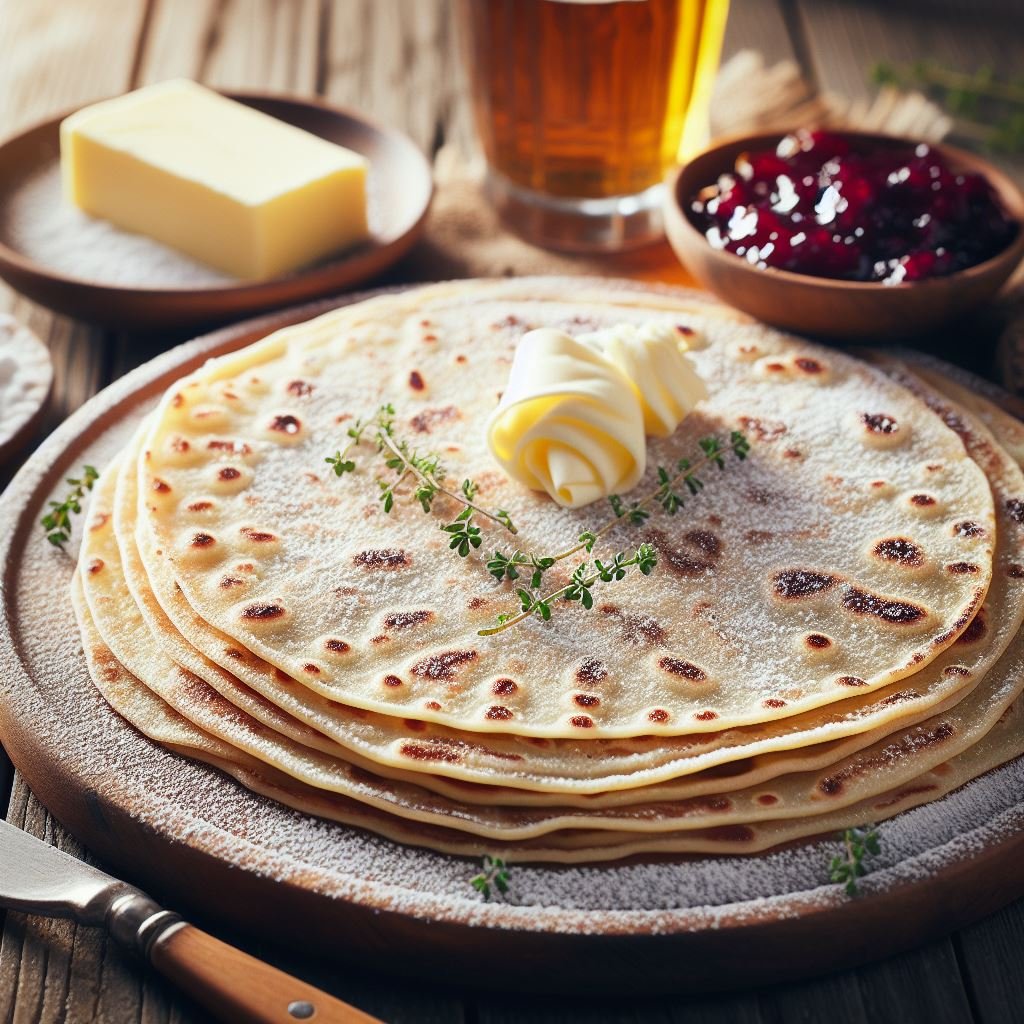
    2. Lefse is a thin, flat bread made from flour, water, and butter. It is traditionally cooked on a hot griddle and then rolled up.Lefse can be eaten plain or with a variety of toppings, such as butter, jam, cheese, or meat. It is a popular breakfast food in Norway, but it can also be enjoyed as a snack or dessert.

      Lefse
    3. Pølse: A classic Norwegian street food, pølse is a type of sausage that is grilled and served in a hot dog bun. It is usually topped with ketchup, mustard, and crispy onions.

      Pølse i vaffel 02
      Pølse with waffels
    4. Raspeballer – These are potato dumplings that are traditionally served with meat and gravy. However, you can also find them as a street food, often served with pickled red cabbage and bacon.
    5. Gravlaks: Gravlaks is a traditional Norwegian dish consisting of thinly sliced salmon cured with salt, sugar, and dill. It is typically served as an appetizer with mustard sauce, bread, or boiled potatoes.

      Gravlax
      Gravlaks with potato and dill
    6. Kjøttkaker: These are Norwegian meatballs made with minced meat (usually beef or pork) mixed with breadcrumbs, egg, onion, and spices. They are often served with mashed potatoes, lingonberry jam, and gravy.

      Norwegian meatballs
      Norwegian meatballs
    7. Fårikål is a classic Norwegian stew made with lamb or mutton, cabbage, potatoes, and peppercorns. It is considered Norway’s national dish and is especially popular in autumn.
    8. Rakfisk: Rakfisk is a traditional Norwegian delicacy made from fermented freshwater fish, typically trout or char. It is often served as an appetizer with flatbread, sour cream, and onions.

      Sliced rakfisk
      Sliced rakfisk
    9. Lutefisk: Lutefisk is another traditional Norwegian dish made from dried whitefish (usually cod or ling)  soaked in a lye solution to rehydrate it. It is then boiled or baked and served with potatoes, bacon, peas, and mustard sauce.

      Buttered Lutefisk
      Buttered Lutefisk
    10. Rømmegrøt is a creamy Norwegian porridge made with sour cream, flour, and butter. It is often served as a dessert or snack, topped with sugar, cinnamon, and butter.
    11. Brunost, or “brown cheese,” is a sweet, caramelized cheese made from whey and milk. It has a distinct caramel flavor and is often served on bread or crackers for breakfast or as a snack.

      Brunost
    12. Fiskekaker are Norwegian fish cakes made from minced white fish (such as cod or haddock), mixed with potatoes, onions, and seasonings. They are typically pan-fried and served with boiled potatoes and vegetables.
    13. Cloudberries: Cloudberries are a prized Norwegian delicacy known for their tart, sweet flavor. They are often used to make jams, sauces, and desserts, such as cloudberry cream or cloudberry tart.

      vOatmeal with cloudberry
      Oatmeal with cloudberry
    14. Krumkake is a traditional Norwegian wafer cookie made from a batter of flour, sugar, butter, and eggs. The batter is cooked on a special iron to create thin, crispy waffle-like cookies, which are then rolled into cones and filled with whipped cream or preserves.

       Krumkake
      Krumkake
    15. Vafler: Vafler, or Norwegian waffles, are a popular street food item, especially during outdoor events and markets. These heart-shaped waffles are often served with a dollop of sour cream and lingonberry jam or topped with brown cheese.
    16. Svele: Svele is a Norwegian pancake-like pastry that’s a favorite at street food stalls and food markets. It’s similar to a thick pancake or crepe and is typically served with butter and jam.

      Svele
      Svele
    17. Fiskebolle: Fiskebolle are fish dumplings made from minced fish and flour, boiled in a light broth. They’re often served hot from street food stalls, especially in coastal areas, and are a comforting and satisfying snack.
    18. Bergensk Fiskesuppe: Bergen fish soup is a hearty and flavorful seafood soup that can sometimes be found at street food stalls or food markets. Made with a variety of fish, shellfish, vegetables, and creamy broth, it’s a warming treat on a chilly day.
    19. Kanelbolle – Kanelbolle,   a cinnamon roll, is a popular pastry in Norway. It is a sweet, spiral-shaped pastry that is coated with sugar and cinnamon.

      Kanelboller

    Other popular Norwegian eats

    1. Kebab – Like in many other parts of the world, kebab is a popular street food in Norway. It is usually made with lamb or chicken, served with vegetables, and topped with a spicy sauce.
    2. Tacos are a popular street food in Norway, and you can find them in many different varieties. They are usually made with soft tortillas and filled with meat, vegetables, and a spicy sauce.
    3. Lomper – Lomper is a potato tortilla often served with brown cheese or sour cream. They are a popular snack in Norway and can be found at many street food vendors.
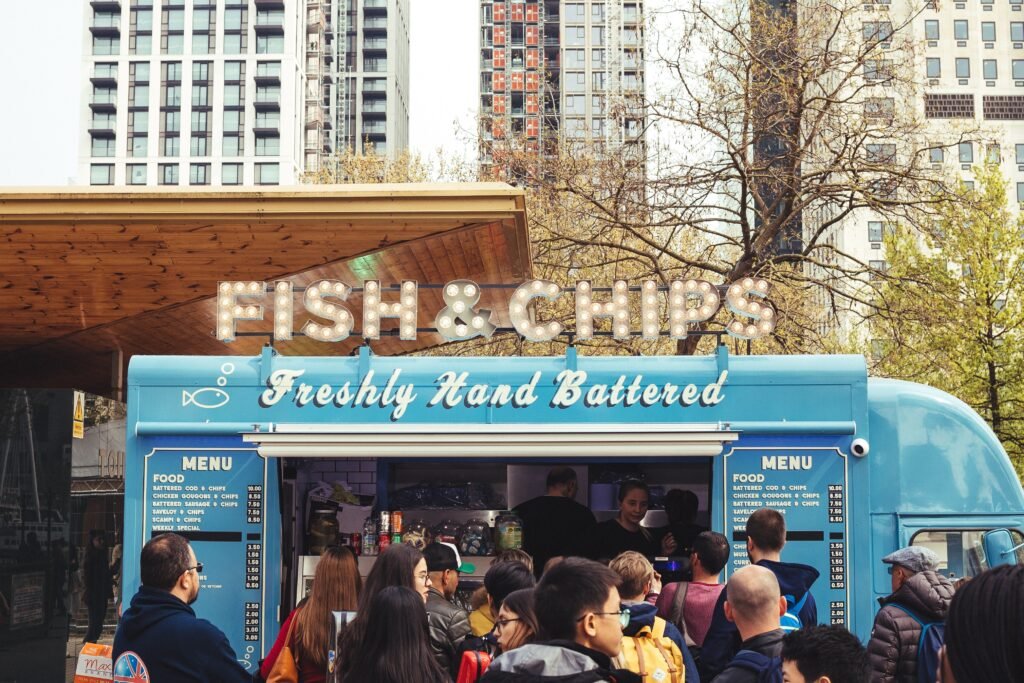
    4. Fish and Chips – Fish and chips is a popular street food in Norway, especially in coastal towns. It is usually made with fresh, locally caught fish that is battered and fried, served with crispy chips (french fries).
    5. Grilled Skewers – Grilled skewers are a popular street food in Norway, especially during the summer months. They are usually made with meat, vegetables, or both.
    6. Churros – Churros are a popular dessert in Norway, especially in Oslo. They are a type of fried dough that is usually served with a dusting of sugar and a side of chocolate sauce for dipping.
    7. Ice cream: Ice cream is a popular street food in Norway, especially during the summer.  You can find many street vendors selling ice cream in a variety of flavors.

    Some traditional dishes eaten in Norway include lutefisk, rakfisk, and fårikål. Lutefisk is a dried codfish that is soaked in lye and then boiled. Rakfisk is a fermented trout that is cured in salt and water. Fårikål is a lamb stew with cabbage, potatoes, and onions.”

  • Exploring the differences between a Frying pan, Skillet, Sauté Pan, Wok and Griddle

    Exploring the differences between a Frying pan, Skillet, Sauté Pan, Wok and Griddle

    In the world of cooking, having the right tools can make all the difference.

    So, in this article, we’ll explore the differences between a skillet, sauté pan, wok, griddle, and frying pan, helping you make informed decisions in the kitchen.

    The difference between a Frying Pan and a Sauté Pan

    A frying pan usually has straight, vertical sides. It excels at shallow frying and sautéing, making it ideal for pancakes, eggs, and shallow-fried meats.

    Frying Pan
    Frying Pan


    A common source of confusion is between sauté pans and frying pans. These two pans are quite similar in appearance, but their differences lie in their intended use.

    • A sauté pan has a flat bottom and straight sides, similar to a frying pan.
    •  It often comes with a lid and is designed for cooking methods like sautéing, braising, and simmering.
    • The lid helps trap heat and moisture, making it suitable for slow-cooking dishes.

      Kupferpfanne Sautoir Plat à sauter Copper pan
      Copper saute pan

    A frying pan is primarily used for shallow frying and quick cooking techniques. It lacks the lid commonly found on sauté pans.

    Cast Iron Skillet vs Non-Stick Frying Pan: Material Matters

    A small cast iron pan
    Cast iron skillet

    The choice of material is another significant factor when comparing cookware. Cast iron skillets are known for their excellent heat retention and distribution. They are perfect for achieving a deep sear on steaks and can even be used in the oven for baking. However, they require seasoning and maintenance to prevent rust.

    In everyday language, the terms “skillet” and “pan” are often used interchangeably. However, a skillet and a pan can refer to slightly different things.

    Non-stick frying pan
    Non-stick frying pan

    A skillet typically has slanted or sloped sides and is designed for a variety of cooking techniques, including frying, searing, and even baking. It’s known for its versatility and is often the go-to choice for dishes that require tossing or flipping, such as stir-fries and omelets.

    Non-stick frying pans are beloved for their convenience. They make cooking and cleaning a breeze, thanks to their non-stick coating.

    These pans are ideal for delicate foods like eggs and fish but may not achieve the same level of searing as cast iron.

    Wok vs Skillet: Stir-Fry Showdown

    Stir-frying is a popular cooking technique in many cuisines. While both woks and skillets can be used for stir-frying, there are some distinctions.Wok 2

    A wok is designed for high-heat cooking and features high, sloped sides that allow for quick tossing and stirring. It’s perfect for achieving that classic stir-fry flavor.

    Skillets, especially those with flat bottoms, can also be used for stir-frying, but they may not distribute heat as evenly as a wok.

    However, skillets are more versatile and can handle a broader range of cooking methods.

    Frying Pan vs Griddle: Flat and Fabulous

    The griddle is a versatile cooking tool that resembles a flat, solid surface, typically made of cast iron, stainless steel, or non-stick materials. Its flat design allows for even heat distribution, making it ideal for cooking a wide range of foods.

    Griddles are perfect for making breakfast staples like pancakes and waffles. The flat surface ensures even cooking and consistent browning, resulting in deliciously fluffy pancakes and crispy waffles.

    Toast, meat and eggs on a griddle

    They are also excellent for searing meats, such as steak, burgers, and chicken breasts. The large cooking surface allows you to cook multiple pieces of meat simultaneously while achieving a flavorful caramelization on the exterior.

    Breakfast meats like bacon, sausage, and ham. The large surface area allows you to cook multiple pieces at once, making it ideal for feeding a crowd during brunch gatherings.

    It also provides the perfect surface for cooking eggs, as well as flatbreads like naan, pita, and tortillas. The even heat distribution ensures that the bread cooks evenly and develops a nice charred flavor.

    They are also suitable for cooking vegetables, such as sliced bell peppers, onions, zucchini, and mushrooms.

    Overall, the griddle is a versatile cooking tool that can handle a wide range of foods, making it a must-have in any kitchen. Whether you’re cooking breakfast, lunch, or dinner, a griddle can help you achieve delicious results with ease.

    Is a Griddle Pan the same as a Griddle?

    No, a griddle pan and a grill pan are not the same, although they may appear similar at first glance.

    A griddle pan typically features a flat, smooth cooking surface. Some have light grooves for a charred look.

    electric griddle image
    Electric griddle

    Griddle pans are often used for cooking items like pancakes, eggs, burgers, and vegetables.

    Griddle pan
    Grill pan

    A grill pan, on the other hand, has a ridged cooking surface that resembles the grates of an outdoor grill. The raised ridges create grill marks on food and help to mimic the flavor and appearance of outdoor grilling.

    Grill pans are primarily designed for grilling meats and vegetables. While they can also be used for other types of food, their ridged surface may not be as suitable for cooking items like pancakes or eggs.

    A griddle pan is ideal for cooking a variety of foods on a flat surface, while a grill pan is best suited for grilling meats and vegetables with distinctive grill marks.

     Choosing the Right Cookware

    Frying pan, 2015 ( 1030212)In the skillet, wok, sauté pan, griddle vs. frying pan debate, there’s no one-size-fits-all answer.

    The choice between these cookware items depends on your cooking style and the dishes you love to prepare.

    Whether you’re a seasoned chef or a novice in the kitchen, having a variety of cookware at your disposal can help you tackle a wide range of culinary challenges.

    So, consider your cooking needs, experiment with different pans, and enjoy the delicious results that each can bring to your table.


  • Frying Pan vs Skillet: Which one should you choose?

    Frying Pan vs Skillet: Which one should you choose?

    Two kitchen essentials that often confuse home chefs are the frying pan and the skillet. Are they the same, or do they serve different purposes?  Which one should you choose when starting to cook.

    Before diving into the comparison, let’s establish a clear understanding of what each of these kitchen workhorses is:

    Features of a Frying Pan:

    • Shape: Frying pans typically feature shallow, sloping sides that make it easier to flip and toss food.

    Frying Pan 2 2019-03-21

    • Versatility: They are incredibly versatile and can handle a variety of cooking tasks, from sautéing and searing to frying and making stir-fries.
    • Materials: Frying pans come in various materials, including stainless steel, non-stick, cast iron, and more.

    Features of a Skillet:

    • Shape: Skillets have straight, high sides that are perfect for tasks that involve liquids, like simmering or making sauces.

    Griswold cast iron skillet Versatility: They are excellent for one-pot meals, such as casseroles and frittatas, and can seamlessly transition from stovetop to oven.

    • Materials: Skillets are also available in a range of materials, with cast iron and stainless steel being popular choices.

    Key differences

    Now that we know the basics let’s delve into the key differences between frying pans and skillets:

    Cooking  Techniques:

    • Frying Pan: Ideal for quick, high-heat cooking methods like searing and stir-frying. The sloped sides make flipping and sliding food a breeze.

      Photo by Dana Tentis
    • Skillet: Great for recipes that involve simmering, baking, or cooking in sauces. The higher sides prevent splattering and allow you to work with more liquid.

    Food Types:

    • The Frying Pan is perfect for cooking foods that benefit from a quick, even sear, like steaks, chicken breasts, or vegetables.
    • The Skillet is best suited for dishes that involve more liquid, such as paellas, stews, and dishes that require slow cooking.

    Cleanup:

    • Frying Pan: Non-stick frying pans are generally easier to clean, but they may not last as long as their cast iron counterparts.
    • Skillet: Cast iron skillets require special care to maintain their seasoning but can last a lifetime if properly cared for.Frying pan, 2015 ( 1030212)

    Which One Should You Choose?

    The decision between a frying pan and a skillet ultimately depends on your cooking style and the types of dishes you love to prepare. Here are some guidelines:

    • Choose a Frying Pan If:

      – You prefer quick and high-heat cooking methods.- You want something versatile that can handle a variety of dishes.
      – Easy cleanup is a priority.

    • Choose a Skillet If:

    – You enjoy slow-cooked meals with lots of sauces and liquids.- You like the idea of transitioning from stovetop to oven seamlessly.
    – You’re willing to invest time in seasoning and maintaining cast iron.

    Conclusion

    In the frying pan vs. skillet showdown, there’s no clear winner; it’s all about what works best for your cooking needs.

    Both have their unique strengths and having both in your kitchen arsenal can open up a world of culinary possibilities.

    So, the next time you’re in the kitchen, whether you’re searing a steak or simmering a savory stew, you’ll know exactly which pan to reach for.

    Happy cooking!

  • How to cook Pizza in a Frying Pan at home

    How to cook Pizza in a Frying Pan at home

    Pizza is an all-time favorite comfort food. While traditional pizza ovens are the gold standard for achieving that perfect crispy crust and bubbling cheese, not everyone has access to one. So, we’ll teach you how to make pizza in a frying pan at home.

    In this article, we’ll also walk you through reheating leftover slices, and even cooking frozen pizza in a pan.

    Cook Pizza in a Frying Pan

    Making pizza in a frying pan is a versatile and efficient way to enjoy a delicious homemade pie. Here’s a step-by-step guide on how to do it:

    Ingredients:

    Pizza dough (store-bought or homemade)
    Pizza sauce
    Shredded mozzarella cheese
    Toppings of your choice (e.g., pepperoni, mushrooms, bell peppers, onions)

    Instructions:

    Max Avans

    1. Prepare Your Dough: Roll out your pizza dough on a floured surface to your desired thickness. Ensure it fits the size of your frying pan or skillet.

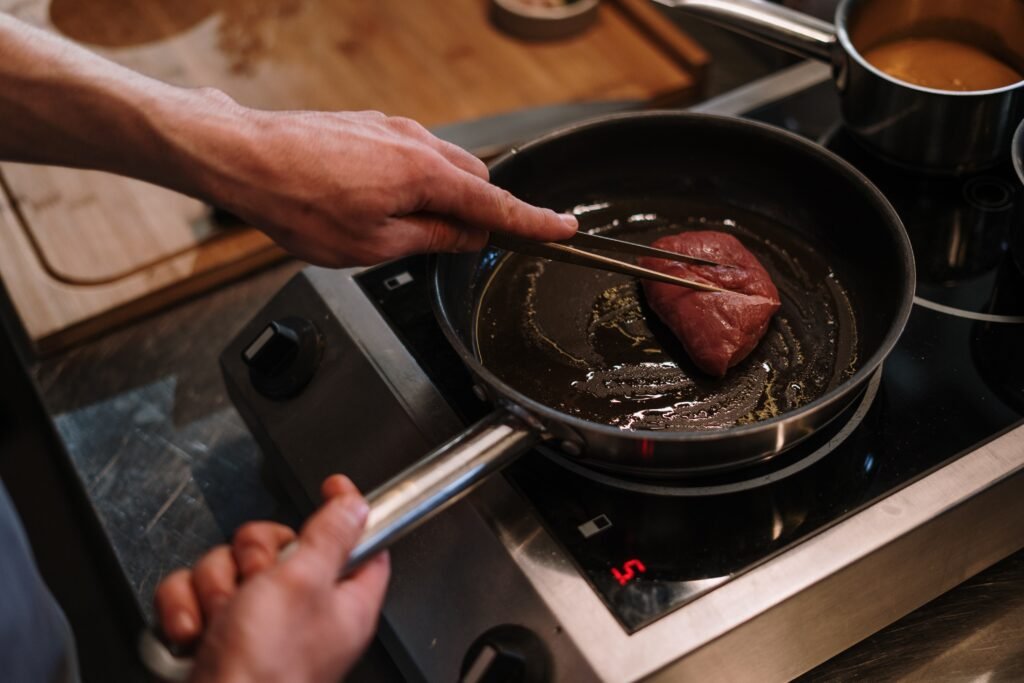
    2. Heat the Pan: Place your frying pan or skillet on the stove over medium-high heat. Add a small amount of olive oil to prevent sticking.

    3. Transfer the Dough: Carefully place the rolled-out dough into the hot pan. Allow it to cook for about 2-3 minutes or until it starts to bubble and brown slightly on the bottom.

    4. Add Toppings: Spread pizza sauce evenly over the crust, leaving a small border for the crust. Sprinkle a generous amount of shredded mozzarella cheese and your chosen toppings.

    5. Cover and Cook: Cover the pan with a lid or foil to help the cheese melt and toppings cook. Reduce the heat to medium-low and cook for 8-10 minutes or until the crust is golden brown, and the cheese is bubbly.

    6. Serve: Carefully slide your cooked pizza onto a plate, slice, and enjoy!

    How to Reheat Pizza in a Frying Pan

    Reheating pizza in a frying pan is a game-changer for reviving leftover slices. It maintains the crispy crust and melty cheese.Deep dish pizza

    Here’s how to do it:

    1. Heat the Pan: Place your frying pan or skillet on low to medium heat and add a few drops of olive oil.

    2. Place the Pizza Slices: Lay the pizza slices in the pan, making sure they don’t overlap.

    3. Cover and Heat: Cover the pan with a lid or foil and let the pizza heat for 2-4 minutes, or until the bottom is crispy.

    4. Crispy Crust Finish: To crisp up the crust further, remove the lid or foil and heat for an additional 1-2 minutes. Your reheated pizza is now ready to be savored.

    Cooking Frozen Pizza in a Frying Pan

    2020-06-15 20 46 36 A Celeste Original 4 Cheese Pizza for one before heating in a microwave in the Franklin Farm section of Oak Hill, Fairfax County, Virginia

    Sometimes you crave pizza, and all you have is a frozen one. Don’t worry; you can cook it in a frying pan for a quick and satisfying meal:

    1. Heat the Pan: Preheat your frying pan or skillet over medium-high heat with a bit of oil.

    2. Add the Frozen Pizza: Place the frozen pizza directly into the hot pan.

    3. Cover and Cook: Cover the pan with a lid and cook for about 10-15 minutes, occasionally checking the crust’s crispiness. Once the crust is golden brown and the cheese is melted, your frozen pizza is ready to be enjoyed.

    Cooking pizza in a frying pan or skillet is a convenient and delicious way to satisfy your pizza cravings at home.

    Whether you’re making pizza from scratch, reheating leftovers, or cooking a frozen pie, the frying pan method can deliver a crispy crust and gooey cheese that rivals your favorite pizzeria.

    So, next time you’re in the mood for pizza, give these methods a try, and enjoy a slice of homemade heaven.

  • Road Trip: Food Ideas with no refrigeration

    Road Trip: Food Ideas with no refrigeration

    Whether you’re embarking on a cross-country journey or just a weekend getaway, one essential aspect of a successful road trip is having the right food to keep you fueled along the way.

    However, not all road trip snacks require refrigeration. In this article, we’ll explore some delicious and convenient road trip food ideas that don’t need cooling.

    • Peanut Butter and Jam Sandwiches:

    Peanut butter, almond butter, or any nut butter of your choice can be your best friend on the road. Pair it with your favorite jam or jelly, and you have a tasty and energy-packed snack. Opt for whole-grain bread to make it even healthier.

    • Trail Mix

    Trail mix is a classic road trip snack that doesn’t require refrigeration. You can create your own mix with a combination of nuts, dried fruits, and chocolate chips for a sweet and savory treat. Gorp

    • Jerk

    Beef jerky, turkey jerky, or even plant-based jerky options are perfect for long stretches on the road.Beef jerky

    They’re high in protein and can keep you satisfied between meals.

    • Canned Tuna or Salmon

    Canned seafood is a protein-rich option that doesn’t need refrigeration. You can enjoy it on crackers or in a sandwich for a quick and nutritious meal.

    • Fresh Fruit

    While many fruits require refrigeration, some are road trip-friendly. Apples, oranges, bananas, and grapes can withstand being out of the fridge for a few days and provide essential vitamins and natural sugars.

    • Hard-Boiled Eggs

    Prepare a batch of hard-boiled eggs before your trip. They are a portable source of protein and can be seasoned with a sprinkle of salt and pepper.

    • Rice Cakes with Toppings

    Rice cakes are a low-calorie base for various toppings like peanut butter, hummus, or even cheese spreads. They’re easy to pack and won’t go bad without refrigeration.Quaker-Popped-Rice-Snacks

    • Canned Soups and Stews

    Many canned soups and stews are available in single-serving containers. Heat them up on a portable stove or fire if you have one, or enjoy them at room temperature.

    • Crackers and Cheese

    Cream crackers with cheese spread
    Choose hard cheeses like cheddar, parmesan, or gouda, which can stay fresh for a while without refrigeration. Pair them with whole-grain crackers for a satisfying snack.

    • Instant Oatmeal Packets

    For a quick and filling breakfast option, pack individual servings of instant oatmeal. Just add hot water, and you’re good to go.

    Remember to bring along a cooler with ice packs for perishable items like yogurt, cheese slices, and fresh veggies if you plan to use them early in your trip.

    By incorporating these no-refrigeration road trip food ideas, you’ll ensure you have tasty and nourishing snacks to keep you energized throughout your journey.

  • Ice Cream from around the world

    Ice Cream from around the world

    Ice cream is more than just a frozen treat, it’s a passport to the world’s diverse flavors and cultures.

    In this delectable exploration, we invite you to embark on a frozen odyssey of ice cream from around the world.

    Photo by Piotr Arnoldes

    Rolled Ice Cream

    Originating in Thailand, rolled ice cream has taken the world by storm. It’s a street food sensation that involves pouring flavor-infused milk onto a chilled pan surface.

    Rolled ice cream on a street corner

    This liquid canvas is mixed with diced ingredients, creating a creamy blend. Using a nimble spatula work, the ice cream is deftly rolled into delectable cylinders that look as good as they taste.

    Mochi Ice Cream

    Japan gifted the world with mochi ice cream, a playful twist on traditional ice cream. In this sweet treat, small, round ice cream balls are cocooned within a soft, chewy dough made from pounded rice. The result is a delightful fusion of textures and flavors.

    Li-Hing mango mochi ice cream (6825643734)
    Mochi

    Mochi ice cream comes in a variety of exciting flavors, from classic red bean to the zesty Yuzu and the vibrant purple Ube. Its journey from Japan to global stardom is a testament to the enduring charm of handcrafted ice cream.

    Gelato

    Hailing from Italy, gelato is celebrated for its velvety texture and rich flavors. Crafted by blending fresh ingredients with cold milk, this artisanal delight undergoes a churning process that yields a softer, creamier consistency than regular ice cream.

    Gelato at Chocolat in Milan in 2006
    Gelato


    Gelato aficionados often praise its lower calorie and fat content, thanks to unsaturated milk and cream. Flavors like hazelnut, pistachio, and white chocolate with strawberries have become beloved classics.

    For a plant-based option, vegan gelato is also making waves with its entirely plant-based ingredient list.

    Frozen Yogurt

    A lighter alternative to traditional ice cream, frozen yogurt (froyo) is made with milk instead of cream. Its signature tartness has won over health-conscious dessert lovers.

    Picture of Strawberry Frozen Yogurt
    Strawberry Frozen Yogurt

    The beauty of froyo is its simplicity; it doesn’t require an ice cream maker.

    Simply mix your chosen ingredients with milk, freeze, and shape as you like. Whether sugared or non-sugared, froyo offers a delightful tangy twist on traditional ice cream.

    Sorbet

    For a dairy-free indulgence, sorbet is the answer. Crafted from fruit and often fruit puree, this refreshing treat also features a sugar syrup. The result is a dessert with a light texture and vibrant color that bursts with fruity goodness.

    Blood orange sorbet
    Blood orange sorbet

    These are just a few of the handcrafted ice cream delights you can find around the world. Each culture’s unique approach to creating frozen wonders tells a story of tradition, innovation, and the joy of savoring something lovingly made by hand.

    Kulfi

    Kulfi is a traditional Indian ice cream that dates back to the 16th century.

    It’s known for its dense texture and is made from sweetened evaporated milk.

    Kulfi
    Kulfi

    The ingredients are boiled for an extended period before being frozen in molds, often with sticks. Unlike many ice creams, kulfi does not involve whipping.

    Faloodeh

    Royal Falooda - Azad Restaurant - Trivandrum, Kerala - DSC 0003

    Faloodeh, also spelled “falooda” or “faludeh,” is a traditional Persian dessert that has become popular in various Middle Eastern and South Asian countries.

    This refreshing and unique dessert is a delightful combination of flavors and textures.Faloodeh is an original Persian sorbet made from vermicelli rice noodles, cherry syrup, rose water, and lime juice.

    It is commonly sold on the streets and in shops in Iran, offering a refreshing and unique dessert experience.

     Dondurma

    Dondurma, a Turkish word meaning ‘freezing,’ refers to the popular hand-churned ice cream sold by street vendors in Turkey.

    Istanbul DondurmaIt contains four primary ingredients: milk, sugar, mastic (a plant resin), and salep (ground tuber from orchids). Salep gives it a distinct stretchy texture. Dondurma is often cut with a knife due to its thick and chewy consistency.

    Granita

    Granita is an Italian dessert with similarities to sorbet but without dairy. It is known for its crunchy ice crystals. To make granita, fresh fruit and water are mixed and frozen.

    The mixture is then scraped with a fork to create icy flakes. Additional flavorings can be added, making it a versatile and refreshing treat.

    Tris di granite
    Granita

    These frozen desserts showcase the rich culinary diversity found across different cultures and regions, each offering a unique taste and texture experience.

  • How to pack frozen food for air travel

    How to pack frozen food for air travel

    Traveling with frozen food can be a convenient way to enjoy your favorite meals or stock up on special treats when visiting friends or family.

    However, packing frozen food for air travel requires careful planning.

    In this article, we’ll explore how to pack frozen food for air travel, keep it cold on a plane, and what you need to know about TSA guidelines.

     Choose the Right Cooler or Insulated Bag

    Select an insulated cooler or freezer bag that is sturdy and leak-proof. Ensure it is appropriately sized for the frozen food you plan to carry.

    Gather Your Supplies

    You will need the following items:

    • Insulated cooler or freezer bag
    • Ice packs or dry ice (if needed)
    • Plastic freezer bags or airtight containers
    • Bubble wrap or newspaper (for insulation)
    • Thermometer (optional but helpful)

    Prepare the Frozen Food

    Ensure your frozen food items are properly frozen before packing. This means they should be solid and not partially thawed.
    If the food is in its original packaging and not airtight, consider placing it inside a plastic freezer bag or airtight container to prevent leakage or contamination.

    Use Dry Ice (Optional)

    If your travel duration is long and you want to ensure your items stay frozen, consider using dry ice. Dry ice can maintain a sub-zero temperature for an extended period.

    Handle dry ice with care, wearing gloves or using tongs. Place it at the bottom of the cooler or bag. Layer your frozen food items on top of the dry ice or ice packs.

    Use bubble wrap or newspaper to insulate and separate the frozen items, preventing them from directly touching the dry ice or ice packs.

    Add Ice Packs

    If you’re not using dry ice, add ice packs on top of the frozen food to help maintain a cold temperature. Ensure they are frozen solid before packing.

    Monitor Temperature

    For longer flights or if you want extra peace of mind, consider placing a thermometer inside the cooler to monitor the temperature.

    Periodically check the temperature inside the cooler or bag, especially if it’s a long flight. Ensure the food remains frozen throughout the trip.

    Consider your destination and how you’ll store the frozen food upon arrival. Ensure there’s access to a freezer or a plan for immediate consumption if needed.

    Close and Seal

    0813 8245 4553 - Jual plastik vacuum kedap udara nylon bag Frozen food

    Seal the insulated cooler or freezer bag to prevent cold air from escaping.

    Label and Identify

    Clearly label the cooler or bag with your name and contact information. If you’re checking it in as luggage, use a luggage tag as well.

    TSA Guidelines

    TSA permits dry ice in both carry-on and checked baggage. You can bring up to 5.5 pounds (2.5 kg) of dry ice in a well-ventilated container. Inform the TSA officer if you’re carrying dry ice during security screening.

    Remember that frozen items are subject to the TSA’s liquid restrictions. Ensure your frozen food items are frozen solid when passing through security. If they begin to melt and turn into a liquid, they might be subject to the 3.4-ounce (100ml) rule for liquids and gels.

    Be prepared for the TSA to inspect your frozen food items. They might open your cooler or bag to verify the contents.

    Airline Policies

    Before you travel, check your airline’s specific policies regarding carrying frozen food. Some airlines have additional guidelines or restrictions on packing and transporting perishable items.

    By choosing the right container, using dry ice when necessary, and adhering to TSA regulations, you can ensure your frozen food stays cold and safe during your journey. Remember to monitor the temperature and follow the specific guidelines of your airline for a seamless and delicious travel experience.

  • 10 Must-Try Vienna Street Food

    10 Must-Try Vienna Street Food

    Vienna, the capital of Austria, is a city famous for its rich history, stunning architecture, and, of course, its delicious street food.

    As you explore this magnificent city, you’ll find a diverse array of street food options that cater to every palate.

    Here are some of the most popular Vienna street foods you should try:

    1. Würstel (Sausages):

    Wurstel (30144775)

    Austrian sausages, or “Würstel,” are an integral part of Vienna’s street food scene. You can find various types of sausages, including Frankfurters, Bratwurst, and Käsekrainer (sausages filled with cheese). They are often served with a side of mustard and freshly baked bread rolls. The street vendors grilling these sausages fill the air with enticing aromas.

    2. Kebabs:

    Vienna’s multicultural atmosphere is reflected in its street food, and kebabs are a prime example. You can enjoy mouthwatering kebabs made from succulent grilled meat (usually chicken or beef) wrapped in soft flatbread and garnished with fresh vegetables and sauces. The Naschmarkt area is a great place to find these international flavors.

    3. Langos:

    Originally from Hungary, Langos has become a beloved street food in Vienna. These deep-fried dough discs are generously topped with garlic, sour cream, and grated cheese. They offer a delightful blend of crispy and chewy textures and are perfect for a quick and satisfying snack.

    4. Leberkäse Semmel:

    Leberkäsesemmel

    Leberkäse, meaning “liver cheese” (although it typically contains neither liver nor cheese), is a traditional Austrian meatloaf. It’s sliced thick and served in a roll (Semmel) with mustard or ketchup. This hearty street food is a favorite among locals.

    5. Maroni (Roasted Chestnuts):

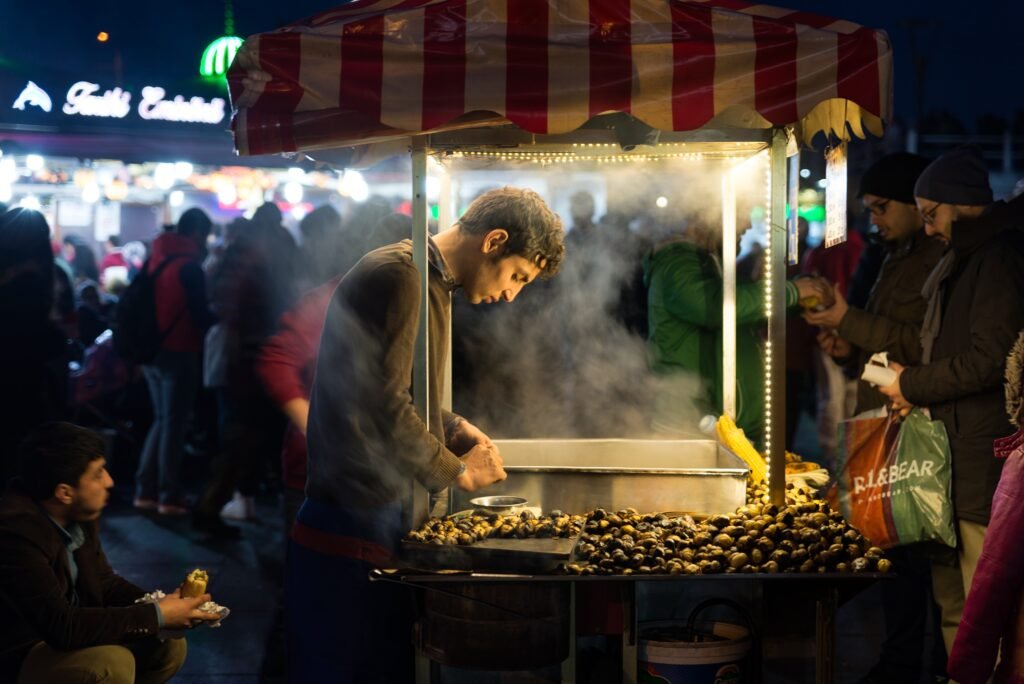
    During the colder months, street vendors roast chestnuts on open fires, filling the air with a warm and nutty aroma. Maroni is a classic Viennese street snack that will keep you toasty as you explore the city in the winter.

    6. Pretzels (Brezel):

    Soft pretzels, similar to those you might find in Germany, are popular street food items in Vienna. These doughy delights are often sprinkled with coarse salt and make for a satisfying and portable snack.

    7. Eispalatschinken:

    If you’re craving something sweet, look out for Eispalatschinken stalls. These are thin crepes filled with various sweet toppings, but the most popular version includes vanilla ice cream and chocolate sauce, creating a heavenly dessert.

    8. Austrian Pastries:

    While not traditional “street food” in the sense of handheld snacks, Vienna is world-famous for its pastries.Gebäck aus Kärnten, Österreich

    You can find delectable treats like Sachertorte, Apfelstrudel (apple strudel), and Kaiserschmarrn (fluffy shredded pancake) in bakeries and cafes throughout the city. These make for a delightful on-the-go indulgence.

    9. Roast Pork Sandwich (Schweinsbraten Semmel):

    Slow-roasted pork is a staple of Austrian cuisine, and you can often find it served in a roll with mustard or horseradish. The combination of tender pork and a crusty roll is a satisfying option for a quick meal.

    10. Freshly Squeezed Fruit Juices:

    Vienna’s street food scene also includes a variety of fresh fruit juice vendors. You can enjoy a refreshing glass of freshly squeezed orange juice or other fruit juices to quench your thirst as you explore the city.

    While exploring the charming streets and historic sites of Vienna, be sure to explore its delightful street food options to enhance your experience of this beautiful city.

    Exploring Vienna’s Street Food Culture

    Vienna’s street food culture is a vibrant tapestry of flavors, reflecting the city’s diverse history and influences.

    To fully immerse yourself in this culinary adventure, here are some tips:

      • Visit Naschmarkt: This bustling market is a treasure trove of international and Viennese street food. Plan to spend an afternoon exploring its stalls and indulging in diverse culinary offerings.

    Naschmarkt WIEN - panoramio (2)

    • Take a Food Tour: Joining a guided food tour can be a fantastic way to discover Vienna’s street food gems while learning about the city’s history and culture.
    • Chat with Locals: Strike up conversations with Viennese locals. They often have insider tips on the best street food vendors and can recommend hidden gems.
    • Explore Food Festivals: Check the city’s event calendar for food festivals and fairs. These often feature a wide range of street food vendors showcasing their specialties.
    • Embrace the Café Culture: While not street food per se, Vienna’s coffeehouses are iconic. Pair your Sachertorte with a cup of rich Viennese coffee for a truly indulgent experience.

    Vienna’s street food scene is a delightful blend of tradition and innovation, offering a taste of Austria’s culinary heritage with a global twist. From savory sausages to sweet pastries, there’s something to satisfy every palate.


  • Can you get Boba tea without caffeine?

    Can you get Boba tea without caffeine?

     Yes, you can absolutely enjoy Boba tea without caffeine.

    Tapioca pearls, commonly known as Boba, do not naturally contain caffeine. They are made from cassava root starch and are caffeine-free.

    The caffeine content in Boba tea primarily depends on the type of tea used as the base. Traditional Boba tea recipes use black tea or green tea as the base, and both of these teas naturally contain caffeine.

    If you want to enjoy Milk tea (as it is sometimes called) without caffeine, you can opt for alternatives.

    What Boba teas are caffeine-free?

    Here are some popular caffeine-free Boba tea options:

    • Fruit Tea: Fruit-based teas are typically caffeine-free. You can use fruit juices or fruit puree as the base and add tapioca pearls for texture. Common fruit tea flavors include mango, strawberry, peach, and lychee.
    • Honeydew: Honeydew tea is made using honeydew melon as the primary flavor. It’s typically caffeine-free and offers a sweet and refreshing taste.
    • Lychee tea is another fruity option that’s caffeine-free. It has a sweet and slightly floral flavor.
      Hibiscus Tea: Hibiscus tea, often known as “Agua de Jamaica,” is naturally caffeine-free and has a tart and tangy taste.
    • Chamomile tea is a popular herbal option for caffeine-free boba. It has a mild, soothing flavor and is often used as a base for relaxation-themed drinks.
    • Rooibos Tea is caffeine-free and has a mild, slightly sweet taste. It can be used as a base and pairs well with fruit flavors.
    • Cream Boba tea is made with coconut milk or cream, which is naturally caffeine-free. It offers a creamy and tropical flavor.
    • Almond Milk Tea is a dairy-free option made with almond milk, making it caffeine-free. It has a nutty and slightly sweet flavor.
    • Vanilla: Vanilla-flavored Boba tea is typically caffeine-free. You can use vanilla extract or syrup to add a sweet and aromatic element to your drink.
    • Chocolate: Chocolate Boba tea, made with cocoa powder or chocolate syrup, is caffeine-free. It provides a rich and indulgent flavor.
    • Matcha Latte: Matcha, a powdered green tea, contains caffeine but is often milder in caffeine content compared to black tea. You can use decaffeinated matcha powder to make a caffeine-free matcha latte.
    • Decaffeinated Black Tea: If you enjoy the flavor of black tea but want to avoid caffeine, you can opt for decaffeinated black tea bags or loose-leaf tea. Brew it and prepare your milk tea as usual.
    • Coffee Alternatives: Some coffee alternatives like herbal coffee or chicory coffee are caffeine-free and can be used to make a Milk tea that resembles a cafe latte.

    Thai Iced Bubble Tea - Sonoma Pho - Stierch - 2019

    Milk and sweetener alternatives for your Boba Tea

    After you replace the traditional black tea with one of the caffeine-free options listed above, you can customize your milk and sweetener to taste.

    • Tapioca Pearls (Boba): The pearls themselves do not contain caffeine, so you can use them in your caffeine-free tea. Follow the usual cooking instructions for them.
    • Sweeteners: To sweeten your tea, you can use sugar, honey, agave syrup, or other sweeteners to taste.
    • Milk or Milk Alternatives: If you like it creamy, you can use dairy or non-dairy milk like almond milk, coconut milk, or oat milk. Make sure your chosen milk alternative is also caffeine-free.
    • Flavorings: Enhance your Milk tea with natural fruit flavorings. You can use fresh fruit puree, fruit syrups, or extracts to add a burst of flavor.
    • Ice: Don’t forget to add ice cubes to your tea to make it refreshing.

    By following these steps, you can create a delicious and caffeine-free Boba tea that suits your taste preferences. It’s a great option for those who want to enjoy this delightful beverage without the stimulating effects of caffeine.

    When ordering, it is also good practice to confirm with the tea shop or check the ingredients if you have specific dietary preferences or restrictions.

  • How to make Chapman for your party

    How to make Chapman for your party

    Chapman is a popular Nigerian cocktail that is often enjoyed at social gatherings, parties, and restaurants. It is known for its refreshing and fruity flavors.

    It is usually made with a combination of various fruit juices and soda, using non-alcoholic ingredients, and in some variations, alcohol.

    We have listed three recipes that will serve 50 people.

    Traditional fruity recipe :

    Ingredients:

    • 10 cups orange juice
    • 10 cups pineapple juice
    • 10 cups lemon-lime soda (e.g., Sprite or 7UP)
    • 5 cups grenadine syrup
    • 2.5 cups lime or lemon juice
    • Slices of oranges, lemons, and cucumbers for garnish
    • Ice cubes

    Instructions:

    1. In a large punch bowl or container, combine the orange juice, pineapple juice, and grenadine syrup. Mix well to combine.
    2. Chill the mixture in the refrigerator for about 30 minutes to enhance the flavors.
    3. Just before serving, add the lemon-lime soda and lime or lemon juice. Gently stir to mix the ingredients.
    4. Taste the mixture and adjust the sweetness and tartness by adding more grenadine syrup or lime/lemon juice if needed.
    5. Fill glasses with ice cubes and pour the Chapman mixture into the glasses.
    6. Garnish each glass with slices of oranges, lemons, and cucumbers.
    7. Serve immediately and enjoy the classic and refreshing taste of traditional Chapman!

    Fanta and Sprite Chapman recipe

    Creating a Chapman drink using Fanta and Sprite is a popular approach. This recipe is also for 50 people:

    Ingredients:

    • 5 cups Fanta Orange soda
    • 5 cups Sprite or 7UP
    • 2 cups orange juice
    • 2 cups pineapple juice
    • 2 cups grenadine syrup
    • Slices of oranges, lemons, and cucumbers for garnish
    • Ice cubes

    Instructions:

    1. In a large punch bowl or container, combine the Fanta Orange soda and Sprite.
    2. Add the orange juice, pineapple juice, and grenadine syrup to the bowl. Gently stir to mix the ingredients.
    3. Taste the mixture and adjust the sweetness and flavors by adding more orange juice or grenadine syrup if needed.
    4. Chill the mixture in the refrigerator for about 30 minutes to enhance the flavors.
    5. Fill glasses with ice cubes and pour the Chapman mixture into the glasses.
    6. Garnish each glass with slices of oranges, lemons, and cucumbers.
    7. Serve immediately and enjoy the refreshing and fruity flavors of your Chapman with Fanta and Sprite!

    This recipe should make approximately 50 servings, but you can adjust the quantities based on your preferences and the number of guests you’re serving.

    Chapman recipe with Zobo

    Zobo, also known as hibiscus tea or sorrel, is a popular Nigerian drink made from dried hibiscus flowers. Combining Zobo with Chapman flavors can create a unique and flavorful drink.

    Here’s a Zobo Chapman recipe designed to serve around 50 people:

    Zobo Concentrate Ingredients:

    • 5 cups dried hibiscus petals (Zobo leaves)
    • 15 cups water
    • 3 cups pineapple juice
    • 3 cups orange juice
    • 3 cups grenadine syrup
    • 1.5 cups lemon juice
    • 3 cups sugar (adjust to taste)
    • Optional: ginger slices, cloves, or other spices for added flavor

    Assembling the Zobo Chapman:

    • Zobo concentrate
    • Lemon-lime soda (e.g., Sprite or 7UP)
    • Slices of oranges, lemons, and cucumbers for garnish
    • Ice cubes

    Zobo Concentrate Instructions:

    1. In a large pot, bring the 15 cups of water to a boil. Add the dried hibiscus petals and any optional spices if desired (such as ginger slices or cloves).
    2. Reduce the heat and let the hibiscus petals simmer for about 15-20 minutes. The water will turn a deep red color.
    3. Remove the pot from heat and strain the liquid to remove the hibiscus petals and spices.
    4. Return the strained liquid to the pot and add the sugar. Stir well until the sugar is completely dissolved. Let the mixture cool.
    5. Once the Zobo mixture has cooled, add the pineapple juice, orange juice, grenadine syrup, and lemon juice. Mix well to combine.

    Assembling the Zobo Chapman:

    1. In a large punch bowl or container, combine the Zobo concentrate with the lemon-lime soda. Start with equal parts of each and adjust to taste. You can make the mixture sweeter by adding more soda or more tart by adding more Zobo concentrate.
    2. Taste the mixture and adjust the flavors according to your preferences.
    3. Fill glasses with ice cubes and pour the Zobo Chapman mixture into the glasses.
    4. Garnish each glass with slices of oranges, lemons, and cucumbers.
    5. Serve immediately and enjoy the delightful fusion of Zobo and Chapman flavors!

    Remember that the beauty of Chapman lies in its versatility, so feel free to experiment with the ingredient ratios to achieve the perfect balance of flavors for your event.

  • Popular Oceania food you should know

    Popular Oceania food you should know

    Oceania, the vast region encompassing the Pacific Ocean, is a treasure trove of diverse cultures, breathtaking landscapes, and, of course, mouthwatering cuisine.

    From the tropical paradises of Hawaii and Fiji to the rugged terrains of New Zealand and Australia, Oceania boasts a rich tapestry of flavors that reflect its indigenous cultures, immigrant influences, and unique natural resources.

    In this culinary journey we’ll delve into the vibrant and diverse world of its popular Oceania foods.

    Curry beef pie (cropped)
    Meat Pie

    Australia: Meat Pie (savory pie with meat filling) and Sausage Sizzle (grilled sausage served in bread with onions and sauce).

    Fiji: Roti (Indian-inspired flatbread) and Kokoda (marinated fish in coconut milk).

    Kiribati: Te Bua Toro (grilled chicken with coconut milk) and Manēpōpoto (deep-fried breadfruit chips).

    Marshall Islands: Jepjep (grilled fish wrapped in banana leaves) and Kuskus (coconut bread).

    Micronesia: Lumpia (spring rolls) and Chicken Kelaguen (grilled chicken with lemon and coconut).

    • Nauru: Coconut Crab (grilled or roasted crab) and Te Olapi (banana dumplings).
    Coconut crab
    • New Zealand: Fish and Chips (battered and deep-fried fish with fries) and Hangi (traditional Maori method of cooking meat and vegetables in an earth oven).
    • Palau: Bai (sticky rice cakes with coconut and sweet potato) and Ebiil Touk (grilled coconut crab).
    • Papua New Guinea: Mumu (traditional method of cooking meat and vegetables in an underground oven) and Sago Pancakes (pancakes made from sago flour).
    • Samoa: Oka (marinated raw fish salad) and Sapasui (Samoan-style chow mein).
    • Solomon Islands: Poi (baked taro root) and Kokoda (marinated fish in coconut cream).
    • Tonga: Lu Sipi (braised lamb shanks) and Ota Ika (marinated raw fish).
    • Tuvalu: Funafuna (fried dough balls) and Luapulu (taro leaves cooked in coconut milk).
    • Vanuatu: Lap Lap (root vegetables with meat or fish cooked in banana leaves) and Nalot (grilled coconut crab).

      Nalot (Pic: Paul Pio)

    Please note that street food popularity can vary within each country, and there may be other regional or local street foods that are popular in specific areas or among certain communities.

    These examples represent some of the well-known street foods from various countries in Oceania.

    Enjoy exploring the diverse culinary delights of the region!