Category: Culture

  • Food eating competition ideas for your event

    Food eating competition ideas for your event

    Food eating competitions have gained significant popularity over the years, capturing the interest of both participants and spectators.

    These events create a unique atmosphere of excitement and challenge, often attracting large crowds and intense media attention.

    Food eating contests can take various forms, including timed challenges, where individuals race against the clock to consume a specified quantity of food, and themed events that celebrate specific cuisines or food items, such as pie-eating contests or chili cook-offs.

    Each format demonstrates the thrill of competition while allowing participants to showcase their eating prowess.

    One of the key elements that contribute to the appeal of food eating competitions is the sense of camaraderie and rivalry they foster.

    Contestants often train rigorously, perfecting their techniques and building up their stomach capacity, which adds a layer of seriousness to the competition.

    Concurso Internacional de Paella de Sueca 2016 - 77
    Paella competition

    Spectators, meanwhile, revel in the drama and suspense as they watch contestants tackle challenging food items. Such events often become social gatherings, where friends and families come together to cheer on their favorite contestants while enjoying the festive atmosphere.

    However, alongside the excitement of food eating competitions, health considerations and safety measures are crucial.

    Organizers must prioritize the well-being of participants to prevent potential health risks associated with competitive eating, such as choking or excessive overconsumption.

    It is essential to provide guidelines on portion sizes and promote a culture of responsible eating among contestants.

    Accessibility of medical assistance should also be ensured during the event, enabling quick response in case of emergencies.

    By combining thrilling competition with enforced safety protocols, organizers can create a memorable experience that captivates audiences while maintaining focus on participant health.

    Food Eating Competition Themes

    Food eating competitions provide an exhilarating and entertaining experience for participants and spectators alike. By incorporating innovative themes, organizers can elevate the excitement of these contests.

    Seasonal themes can play a significant role in engaging participants; for instance, a ‘Summer BBQ Feast’ could feature classic barbecue dishes like ribs, corn on the cob, and pulled pork sandwiches.

    This theme allows for a laid-back, outdoor setting, capturing the essence of summer festivities.

    Another seasonal idea is the ‘Halloween Treat Challenge.’

    In this theme, participants could indulge in a variety of traditional Halloween treats such as candy corn, pumpkin pie, and caramel apples.

    The vibrant, spooky decorations will not only create a festive atmosphere but also serve to attract an audience excited about the seasonal theme. By hosting these events during notable seasons, organizers can tap into the excitement already present in the community.

    Cultural food themes also present an enriching opportunity.

    An ‘Around the World’ themed competition could feature an array of dishes inspired by global cuisine, from Italian pastas to Japanese sushi. 

    Seattle - Pie-eating contest
    Pie eating contest

    This not only exposes competitors to different flavorsbut also educates attendees about various cultures. Each round could focus on a different region, thereby broadening the culinary horizons of everyone involved.

    For a more adventurous twist, consider incorporating challenges like the ‘Mystery Ingredients’ contest where participants are presented with unusual or unexpected items that they must incorporate into their dishes.

    Alternatively, a ‘Spicy Food Showdown’ can test competitors’ limits, pushing them to tackle increasingly fiery dishes to heighten the stakes.

    These creative themes aim to inspire organizers and participants alike, encouraging them to think beyond conventional formats. The result is a more engaging and memorable experience for all involved, making the food eating competition a highlight of any event.

      Planning a Successful Food Eating Competition

    Planning a successful food eating competition requires careful consideration of several key aspects to ensure a memorable experience for both participants and spectators.

    To begin with, sourcing food items is paramount. Choose items that are not only appealing but also feasible for participants to consume within a set time frame.

    Popular choices often include classics such as hot dogs, pie, or unique local delicacies. Ensuring that the food is safe for consumption and accommodating dietary restrictions will help broaden participant and audience engagement.

    Next, establishing clear competition rules is crucial. Participants should be aware of the format, time limits, and any special conditions that may apply.

    For example, if participants are expected to eat without the use of hands or must finish every bite, these rules must be communicated effectively beforehand. Additionally, it is advisable to have a team of judges who can fairly evaluate the competitors.

    Establishing criteria for judging—such as speed, presentation, and creativity—will ensure a fair competition and minimize disputes.

    Logistics also play a vital role in the smooth execution of the event.

    Carefully consider the venue, ensuring ample seating, sufficient space for participants, and consideration of the audience.

    Adequate supplies, including utensils and napkins, should be provided to create a seamless experience. Promoting the event through social media, local establishments, or community boards can significantly increase attendance and foster excitement around the competition.

    Engaging the audience during the event—through live commentary, interactive voting, or audience participation—will enhance the overall experience. Such efforts contribute to cultivating a festive atmosphere, ensuring the food eating competition is an engaging and entertaining affair that participants and spectators will remember.

    Food eating Competitions

    Food eating competitions have become a major attraction at various events, from local fairs to international festivals. One of the standout competitions occurred at the annual Nathan’s Hot Dog Eating Contest on July 4th 2025, in Coney Island, New York.

    This iconic event gained prominence due to its unique combination of gluttony and competitive spirit.

    It not only showcased an impressive number of 76 hot dogs consumed by Joey Chestnut in just ten minutes but also caught the attention of mainstream media, providing substantial visibility for both the participants and the event itself.

    Another notable example is the annual World Grilled Cheese Eating Championship held in Wisconsin.

    This event emphasizes creativity in food selection, as participants consume a variety of grilled cheese sandwiches with unique fillings.

    The success of this competition relies on its friendly yet intense atmosphere, drawing large crowds eager to witness the spectacle.

    The record of 47 grilled cheese sandwiches consumed in ten minutes set not only a competitive benchmark but also reinvigorated community involvement through local sponsorships and charity donations from ticket sales.

    Moreover, the Wing Bowl in Philadelphia features an exhilarating format where contestants devour as many chicken wings as possible in a designated time frame.

    Wing Bowl 2007
    Wing Bowl Philadelphia

    Wing Bowl has created a cult-like following, leading to record-breaking consumption rates and a high-energy environment that engages not only the participants but also a raucous audience.

    The shared excitement and camaraderie surrounding these competitions contribute to community bonding, as families and friends gather to cheer on their favorite eaters.

    Each of these competitions illustrates the diverse food selections and engaging formats that contribute to their popularity.

    They highlight how successful food eating competitions can combine entertainment, skill, and community engagement, ultimately serving as fertile ground for inspiration for future events.

  • A Guide to Making a Neem Leaf Tincture

    A Guide to Making a Neem Leaf Tincture

    Renowned for its broad range of therapeutic properties, the Neem tree has been an integral part of traditional medicine, for centuries.

    The historical significance of this remarkable tree stems from its multifaceted applications, ranging from health benefits to agricultural uses.

    Neem possesses numerous medicinal benefits attributed to its antibacterial, antifungal, and anti-inflammatory properties. These properties make it a powerful ally in various health treatments.

     
    Neem Tree (Azadirachta indica) 1

    What is a Neem Leaf Tincture?

    A tincture is a concentrated herbal extract made by soaking plant material in alcohol or another solvent.

    This process extracts the active compounds from the plant, creating a powerful and long-lasting remedy.

    Neem leaf tincture is particularly valued for its antifungal, antibacterial, antiviral, and anti-inflammatory properties.

    In many cultures, it is considered sacred, often being referred to as “the village pharmacy” due to its diverse therapeutic uses.

    By harnessing the benefits of neem through tinctures, individuals can incorporate this ancient remedy into their modern wellness routines.

    Benefits of Neem Leaf Tincture

    Neem leaf tincture is renowned for its diverse range of health benefits, primarily attributed to the numerous bioactive compounds found in the Neem tree.

     Here are some of its most notable benefits:

    1. Boosts Immunity: Neem is known for its immune-boosting properties. Regular use of neem tincture can help strengthen your body’s defenses against infections.

    2.  Supports Skin Health: Neem’s antibacterial and antifungal properties make it an excellent remedy for acne, eczema, psoriasis, and other skin conditions. Dilute the tincture with water and apply it topically to affected areas.

    The oil extracted from the seeds is frequently employed in cosmetic products, known for its excellent moisturization and skin-rejuvenating qualities. 

    3.  Promotes Oral Health: Neem is a natural remedy for gum disease and tooth decay. Add a few drops of the tincture to water and use it as a mouthwash to reduce plaque and fight bacteria.

    4.  Aids Digestion:  Neem tincture can help soothe digestive issues like bloating, constipation, and indigestion. It also supports liver health and detoxification.

    5.  Fights Infections:  Its antiviral and antibacterial properties make neem tincture effective against colds, flu, and other infections.

    6.  Reduces Inflammation:  Neem’s anti-inflammatory compounds can help alleviate joint pain, arthritis, and other inflammatory conditions.

    7.  Regulates Blood Sugar:  Some studies suggest that neem may help regulate blood sugar levels, making it beneficial for people with diabetes.

    8. Agric benefits: Furthermore, neem serves as a natural pest control agent in agriculture, providing an eco-friendly alternative to chemical pesticides and promoting sustainable farming practices.

    How to Make Neem Leaf Tincture: Step-by-Step Recipe

    Creating neem leaf tincture at home is a straightforward process that combines natural ingredients and a bit of patience.

    Ingredients:

    •  Fresh or dried neem leaves (1 cup, packed)

    •  High-proof alcohol (vodka or rum, at least 80 proof) or apple cider vinegar (for an alcohol-free option)

    •  A clean glass jar with a tight-fitting lid

    •  Cheesecloth or a fine strainer

    •  A dark glass bottle for storage

       Instructions: 

    1. Prepare the Leaves: If using fresh neem leaves, wash them thoroughly and pat them dry. If using dried leaves, ensure they are clean and free of debris.

    2. Fill the Jar: Place the neem leaves in the glass jar, filling it about halfway.

    3. Add the Solvent: Pour the alcohol or apple cider vinegar over the leaves until they are completely submerged. Leave about an inch of space at the top of the jar.

    4. Seal and Store: Close the jar tightly and store it in a cool, dark place for 4–6 weeks. Shake the jar gently every few days to help with the extraction process.

    5. Strain and Bottle: After 4–6 weeks, strain the liquid through cheesecloth or a fine strainer into a dark glass bottle. Discard the leaves.

    6. Label and Store: Label the bottle with the date and contents. Store it in a cool, dark place. Your neem leaf tincture can last for several years if stored properly.

     The longer it sits, the stronger the tincture will become; however, it is essential to monitor it for any signs of spoilage.

    Precautions

    While Neem is generally safe, it is important to use it in moderation.

    Pregnant or breastfeeding women, children, and individuals with autoimmune conditions should consult a healthcare professional before using neem tincture. Overuse can lead to side effects like nausea or dizziness.

    Incorporating Neem Leaf Tincture into Your Health Routine

    Integrating Neem leaf tincture into your daily health routine can be a beneficial way to utilize its numerous properties effectively.

     Starting with oral use, it is advisable to begin with a low dosage.

    Many practitioners recommend taking 1 to 2 ml of neem tincture diluted in a glass of water one to three times a day.

    Adjusting the dosage based on individual response is essential, as some may have varying sensitivities to this potent herb.

    For topical applications, neem leaf tincture can be diluted with a carrier oil, such as coconut or jojoba oil, before being massaged onto the skin.

    This method is especially advantageous for addressing skin irritations or conditions like acne and eczema, as the tincture’s natural antibacterial properties help in reducing inflammation and promoting healing.

    Mixing neem tincture with other beneficial herbs such as calendula or tea tree oil can enhance its efficacy, creating a synergistic effect for skin care.

    Add the tincture to homemade formulations like herbal balms, creams, or even in your bath.

    This provides an opportunity to enjoy the benefits of neem in a relaxing environment, thereby elevating the overall wellness experience.

    It is crucial to monitor how your body reacts to this herbal remedy, as responses may vary widely.

    Should you experience any adverse effects or persistent discomfort, consulting with a healthcare provider is recommended to ensure safety.

    Maintaining a holistic approach to health is vital when incorporating any herbal remedy, including neem leaf tincture. Balance and moderation are key.

    Combining this tincture with a well-rounded diet, regular exercise, and proper hydration can enhance your overall wellness strategy.

    Personal research into herbal interactions and individual needs can contribute significantly to successful incorporation into daily life.


  • What are Gummies?: From Treats to Health Supplements

    What are Gummies?: From Treats to Health Supplements

    What are Gummies?

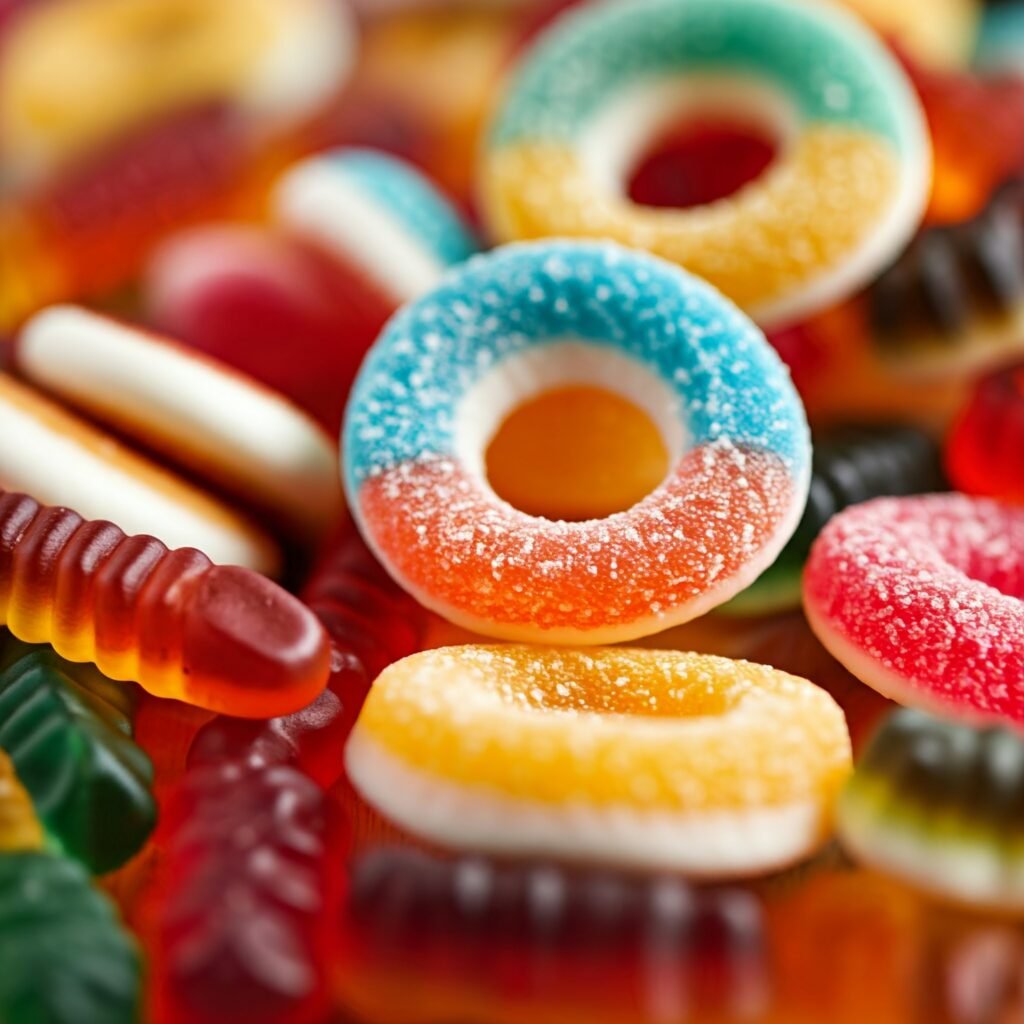
    Gummies are a popular food product that combines the enjoyment of candy with functional benefits.

    At their core, gummies are chewy confections typically made from gelatin, which gives them a distinctive texture that is both soft and elastic.

    This gelatin-based consistency is achieved through the interaction of gelatin with water and sugar, resulting in a product that is both pleasant to chew and easy to digest. The vibrant colors and enticing flavors of gummies further enhance their appeal, making them a favorite among both children and adults.

    The versatility of gummies is noteworthy. Originally conceived as a sweet treat, they have evolved into a multifaceted product that serves various purposes. On one hand, they are enjoyed purely as a candy, with countless flavor variations ranging from fruity to sour, catering to diverse palates. Their enticing appearance and taste often lead them to be included in celebrations or given as gifts, highlighting their social aspect.

    On the other hand, gummies have found a significant role in the health supplement industry.

    With the increasing trend towards convenient and enjoyable ways to consume vitamins and nutrients, many manufacturers have developed gummy formulations that incorporate essential vitamins, minerals, and herbal extracts.

    This innovation addresses the needs of individuals who may struggle with swallowing pills or prefer a tastier alternative.

    As a result, gummy supplements now encompass a wide range of health benefits, including immune support, multivitamins, and herbal aids. Thus, the evolution of gummies illustrates their dual identity as both a delightful indulgence and a functional health product, catering to a broad audience with varying preferences and needs.

    The History and Evolution of Gummies

    The origins of gummy candies can be traced back to the early 20th century, specifically in 1922, when Hans Riegel, a confectioner from Bonn, Germany, created the gummy bear.

    This innovative candy was initially designed to be a small, bear-shaped treat made from gelatin, sugar, and flavorings.

    The gummy bear gained popularity quickly, and Riegel’s company, Haribo, became synonymous with gummy candies worldwide. By the 1930s, gummy bears dominated the candy market, but they were not the only shapes that would emerge.

    Over the decades, the evolution of gummies has seen significant expansion. In the 1980s, a variety of new shapes and flavors was introduced, including gummy worms and other themed gummies that captured the attention of consumers.

    This diversification helped gummies branch out beyond their original appeal to children, attracting a broader audience that included adults seeking whimsical treats. Gummy candies began to dominate the candy aisles, showcasing vibrant colors and creative designs that enhanced their allure.

    This journey from sugary treats to essential health products illustrates how consumer needs and preferences can reshape the landscape of food and candy. With continued innovations in flavors and formulations, gummies are poised to maintain their relevance in both the candy and health sectors.

    a white and red capsule

    Types of Gummies 

    Gummies have evolved significantly beyond their sugary candy roots. 

    Edible gummies dominate this market segment, encompassing a variety of health-focused options that appeal to consumers looking for alternative methods of supplementing their diet.

    One notable category within edible gummies is CBD gummies. These products contain cannabidiol, a compound derived from hemp, which is believed to provide various wellness benefits including stress relief and improved sleep.

    These gummies discreetly and conveniently allow individuals to incorporate them into their daily routine, aligning with an increasing trend toward natural remedies.

    Vitamin gummies represent another subcategory, specifically designed to deliver essential vitamins and minerals in a palatable form.

    These gummies often appeal to children and adults who may struggle with traditional vitamins due to size or taste.

    With options ranging from Vitamin C to B-complex formulas, vitamin gummies have become a prevalent choice in the health supplement market.

    In addition, other dietary supplements are increasingly available in gummy form, including multivitamins and specific nutrient combinations tailored to support various health goals. This innovation has made it easier for consumers to maintain their health while enjoying a product that feels indulgent.

    Moreover, traditional candy gummies remain immensely popular, with numerous brands offering a vast array of flavors and textures.

    There is also a growing selection of specialized gummy variants, such as vegan, organic, and sugar-free options.

    Vegan gummies omit animal-derived ingredients, appealing to those who follow plant-based diets, while organic options use natural ingredients free from synthetic additives.

    Sugar-free gummies cater to individuals who are mindful of their sugar intake, ensuring that indulgence does not come at the cost of dietary restrictions.

    Gummies now encompass a wide spectrum of choices, transforming them from simple candies into a multifaceted category that addresses a variety of taste preferences and health considerations.

    Homemade Gummies Recipe

    Here is a simple recipe for homemade gummies:

    Ingredients:

     1 cup water
     1 cup granulated sugar
    1/2 cup light corn syrup
    1/4 cup unflavored gelatin
     Food coloring (optional)
     Flavorings (optional)

    Instructions:

    1. In a small bowl, sprinkle the gelatin over 1/4 cup of water and let it sit for 5 minutes to soften.
    2. In a medium saucepan, combine the sugar, corn syrup, and 1 cup of water. Place the saucepan over medium heat and stir until the sugar has dissolved.
    3. Bring the mixture to a boil, then reduce the heat to medium-low and simmer for 10 minutes.
    4. Remove the saucepan from the heat and add the softened gelatin, stirring until it is fully dissolved.
    5. Add food coloring and flavorings (if using) to the mixture and stir well.
    6. Pour the mixture into a silicone gummy mold or a 9×13 inch baking dish.
    7. Let the mixture cool and set at room temperature for at least 30 minutes.
    8. Once set, remove the gummies from the mold or cut them into desired shapes.
    9. Store the gummies in an airtight container at room temperature for up to 2 weeks.

    Tips and Variations:

    •  To make fruit-flavored gummies, use fruit juice or puree instead of water.
    • To make spicy gummies, add a few dashes of cayenne pepper or red pepper flakes to the mixture.
    •  For a different texture, experiment with different ratios of gelatin to liquid.
    •  To make gummies with a clearer appearance, use a higher ratio of gelatin to liquid.
    • For a more intense flavor, use a higher concentration of flavorings.

    Safety Notes:

    • Make sure to use a clean and sanitized workspace when making gummies to avoid contamination.
    • Keep the gummies away from children and pets, as they can be a choking hazard.
    • If you have any allergies or sensitivities, make sure to use ingredients that are safe for you.


  • Tupperware goes bankrupt

    Tupperware goes bankrupt

    In a surprising turn of events, Tupperware Brands filed for bankruptcy protection, marking the end of an era for its once-iconic food storage containers.

    This move underscores a broader narrative of changing consumer preferences and the challenges faced by legacy brands in adapting to modern retail landscapes.

    Tupperware containers, famous for their durability and iconic “burping seal,” became household staples in the 1950s.

    The brand thrived through innovative home party sales models, empowering women to earn income independently.

    However, as retail dynamics shifted and online platforms emerged, Tupperware struggled to maintain its relevance.

    Consumer and Retail Challenges

    The decline in Tupperware’s sales can be attributed to several factors:

    A Shift in Consumer Behavior: Today’s consumers prefer convenience and sustainability, qualities that newer brands often emphasize.

    A hand with nail polish on holding orange vintage tupperware on carpet.

    Online Retail Dominance: Tupperware’s reliance on direct sales through parties became outdated in the age of e-commerce.

    Product Perception: The brand failed to innovate sufficiently, with its containers perceived as traditional rather than innovative.

    Tupperware’s financial woes were mainly exacerbated by debt burdens and operational issues:

    Accumulating over $812 million in debt, the company faced liquidity challenges and pressure from distressed debt investors.

    Despite attempts to restructure and adapt, declining sales and high leverage proved insurmountable.

    Future Outlook

    The Tupperware situation offers valuable insights for businesses navigating competitive markets:

    Adaptability is Key: Staying relevant requires constant innovation and responsiveness to market trends.

    Diversification Strategies: Relying solely on traditional sales models can be risky; diversifying distribution channels is crucial.

    Financial Prudence: Managing debt levels and maintaining financial flexibility are critical for long-term sustainability.

    Previous revamp efforts

    In 2020, Tupperware Brands Corporation, the company that owns the Tupperware brand, announced a major rebranding effort. The company aimed to revamp its image, products, and sales strategy to appeal to a new generation of consumers.

    Tupperware-PP

    Tupperware was expanding its e-commerce capabilities, allowing customers to purchase products online and have them shipped directly to their homes.

    This shift to e-commerce has been a significant change for the company, which has traditionally relied on in-home demonstrations and party sales.

    Tupperware also introduced new products and innovations, such as smart containers that can track food freshness and a line of eco-friendly products.

    These new products generated some buzz in the media and among consumers interested in sustainable living and innovative kitchen solutions.

    In 2020, Tupperware announced that its CEO, Miguel Fernandez, would be stepping down and be replaced by a new CEO, Mike Poteshman.

    This leadership change has been making headlines in the business sector, as investors and analysts watch to see how the new CEO will shape the company’s future.

    Tupperware is a well-known brand that has been around for over 70 years.

    While the colorful containers may have lost their luster, the lessons learned from Tupperware’s rise and fall will echo through the corridors of retail history.


  • Indian government using AI anchors for farming channel

    Indian government using AI anchors for farming channel

    DD Kisan, India’s government-run television channel dedicated to farmers, recently introduced AI anchors named Krish and Bhoomi.

    These AI-powered news presenters can speak in 50 languages, covering Indian and foreign languages.

    This innovation marks a first for government TV channels in India.

    The AI anchors are designed to deliver news and updates related to agriculture, including market trends, weather forecasts, and government schemes, around the clock without the limitations of human broadcasters.

    By using artificial intelligence, the channel aims to enhance its efficiency while remaining focused on improving the lives of farmers.

    India’s public service broadcaster, Doordarshan, launched the channel in 2015, to help farmers improve their livelihoods.

    Watch the video:

    The channel broadcasts shows that offer farming techniques, weather updates, crop-related information, and expert advice on modern and traditional agricultural practices.

    It educates farmers on government schemes and policies to benefit them, including subsidies, loans, and grants.

    DD Kisan also focuses on rural development issues, such as health, education, and the empowerment of rural women.

    The channel runs live phone-in programs where farmers can directly speak with experts to get real-time solutions to their agricultural problems.