Blog

  • What is Bubble Tea and how do you make it?

    What is Bubble Tea and how do you make it?

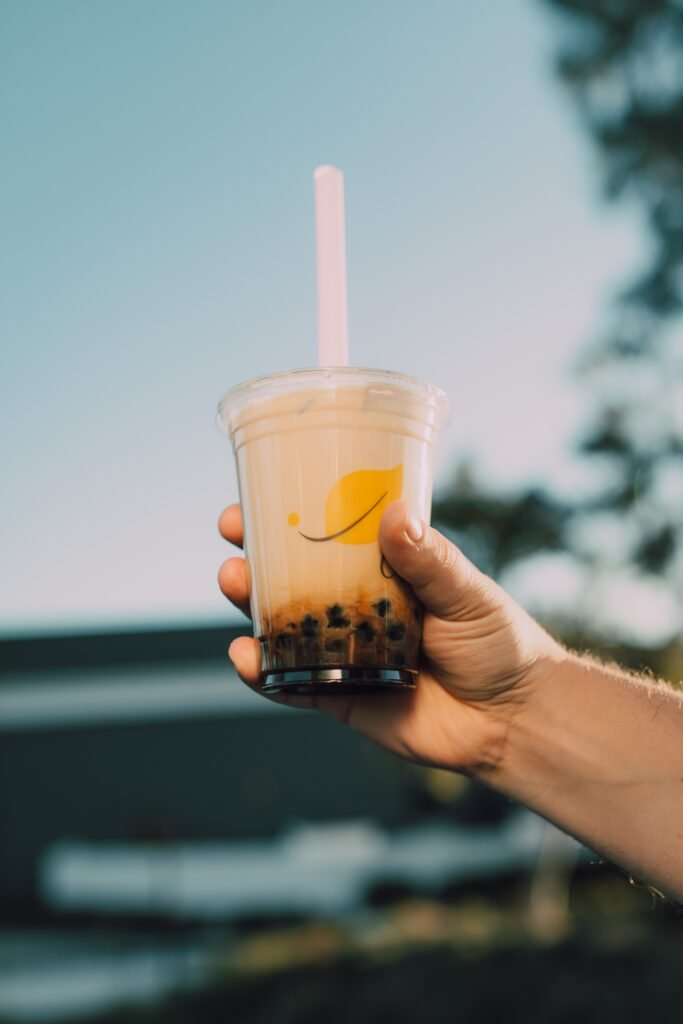
    Bubble tea, also known as Boba tea or Pearl Milk tea, is a popular Taiwanese beverage that has gained global popularity, and this has inspired people to want to make it themselves. It’s a unique and refreshing drink that typically consists of tea, milk, sweetener, and chewy tapioca pearls.The “bubbles” or “boba” in the tea refer to the tapioca pearls that are often found at the bottom of the drink.

    Origin:

    Bubble tea originated in Taiwan in the 1980s. The exact story of its creation varies, but it’s commonly attributed to Lin Hsiu Hui, who was experimenting with tea and fruit flavors at her family’s teahouse.A bubble tea with tapioca pearls, July 2018

    She began adding tapioca pearls to her drinks for added texture, which became a hit among customers. As a result, bubble tea started gaining popularity in Taiwan’s local tea shops.

    The name “Bubble tea” comes from the frothy bubbles that are created when the tea is shaken before serving, as well as the tapioca pearls that rest at the bottom, resembling bubbles.

    Key Components:

    • Tea: Traditional Bubble tea is made using black tea as the base. However, over the years, various flavors and types of tea have been used, including green tea, oolong tea, and fruit tea.
    • Milk: Milk is often added to bubble tea to create a creamy and smooth texture. Dairy milk or non-dairy alternatives like almond milk, coconut milk, or soy milk can be used.
    • Sweetener: Sweeteners such as sugar, honey, or flavored syrups are added to the tea to provide sweetness. The level of sweetness can be adjusted according to personal preference.
    • Tapioca Pearls (Boba): Tapioca pearls are the signature component of Bubble tea. These small, chewy balls are made from tapioca starch derived from cassava root. They are usually boiled until they become soft and have a slightly gummy texture.

    Variations:

    While the classic Bubble tea consists of tea, milk, sweetener, and tapioca pearls, numerous variations have emerged over the years:

    • Fruit Teas: Instead of traditional tea, fruit teas are made using fruit-infused flavors. They can include real fruit chunks or fruit-flavored syrups.
    • Flavored Tapioca Pearls: Tapioca pearls can be infused with different flavors, such as matcha, taro, or fruit flavors, adding an extra dimension to the drink.
      Boba pearls
    • Blended Bubble Tea: Similar to smoothies, these drinks are blended with ice and sometimes fruit to create a slushy, refreshing beverage.
    • Toppings: In addition to tapioca pearls, bubble tea can be topped with a variety of add-ins like fruit jelly, aloe vera, grass jelly, and more.

     Here’s a basic guide to make your own Bubble tea at home:

    You can start by assembling these kitchen utensils.

    • Medium-sized pot: You’ll need this to boil the tapioca pearls (boba). Make sure it’s large enough to allow room for the pearls to expand as they cook.
    • Spoon: A regular spoon for stirring the tapioca pearls while they boil and for scooping them out afterward.
    • Strainer or colander: Use this to drain and rinse the boiled tapioca pearls.
    • Saucepan: To make the brown sugar syrup for the tapioca pearls.
    • Measuring cups and spoons: For accurately measuring ingredients like water, sugar, and tea leaves or bags.
    • Tea infuser or tea bags: If you’re using loose-leaf tea, you’ll need an infuser. If you’re using tea bags, you’ll need those.
    • Glass or large cup: To serve your bubble tea.
    • Large straw: This is essential for enjoying tapioca pearls. Bubble tea straws are wider than regular straws to accommodate the pearls.

     Ingredients:

    For the Tea:

    Black tea bags or loose-leaf black tea
    Water
    Sweetener (sugar, honey, or syrup) to taste

    For the Tapioca Pearls (Boba):

    Tapioca pearls
    Water
    Sugar

    For the Milk  :

    Milk (dairy or non-dairy like almond, coconut, etc.)

    Instructions:

    • Prepare Tapioca Pearls (Boba): Boil water in a pot and add tapioca pearls. The ratio is usually 1:6 (1 cup pearls to 6 cups water). Stir gently to prevent sticking.
    • Cook for about 20-30 minutes until the pearls are soft and chewy. Keep checking to get the desired texture.
      Remove from heat, cover the pot, and let them sit for another 20-30 minutes.
    • Make a sugar syrup by boiling water and sugar (1:1 ratio) in a separate pot until the sugar dissolves.
      Drain the tapioca pearls and mix them with the sugar syrup. Let them sit to absorb the sweetness.
    • Brew the Tea: Brew a strong black tea using black tea bags or loose-leaf tea. Follow the instructions on the packaging for the right amount of tea and water.
    • Add sweetener to taste while the tea is still hot. Stir until the sweetener dissolves. Let the tea cool down.
    • Add ice cubes if desired.

    Insert a wide straw (specifically for bubble tea) into the glass and give it a gentle stir to mix the flavors.
    Sip, chew on the tapioca pearls through the straw, and enjoy your homemade bubble tea!

    Tips:

    You can customize your Bubble tea by adding fruit flavors, using different types of tea, or adjusting the sweetness levels.

    Tapioca pearls are available in various sizes. You can choose according to your preference for chewiness.

    They can also be stored in the sugar syrup in the refrigerator for a day or two. 
     
    If you’re using fruit flavors, you can add fruit syrups or fresh fruit chunks to your bubble tea.

    Remember, making Bubble tea might take a bit of practice to get the tapioca pearls just right, but the end result is a delightful and refreshing drink that you can enjoy at home.

  • What people cook in Antarctica

    What people cook in Antarctica

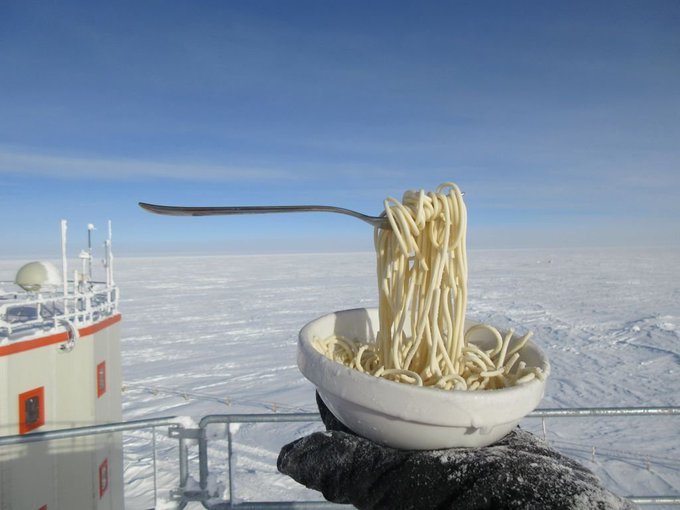
    Yup, that’s frozen spaghetti! This photograph was taken by French researcher, Cyprien Verseaux, when he tried to cook in Antarctica, (of all places) where temperatures drop to as low as -70C.

    Antarctica is a frozen, remote and uninhabited continent. The continent is primarily populated by scientists, researchers, and support staff who live in research stations.

    Their diets consist of pre-packaged and frozen food supplies brought from their home countries.

    However, it’s worth noting that during special events or celebrations at research stations, residents may organize communal meals or outdoor barbecues where they prepare food like grilled meats, sandwiches, or simple snacks. These events are more about the community gathering and enjoying a shared meal rather than specific traditional street food.

    Overall, the culinary focus in Antarctica is primarily on providing nourishing meals in extreme conditions rather than the development of local street food traditions.

    In Antarctica, the diets of people living in research stations primarily consist of pre-packaged and frozen food supplies that are brought from their home countries. These supplies are carefully planned and prepared to meet the nutritional needs of the residents, considering the challenging conditions and limited availability of fresh ingredients.

    Typically, the meals in Antarctic research stations include a variety of items such as:

    • Canned or frozen fruits and vegetables; Canned or dried meats: They serve as a source of protein, including options like canned tuna, chicken, and beef.
    • Frozen and dried grains: Rice, pasta, bread, and cereal products are commonly included in the meal plans.
    • For dairy products, powdered milk and cheese are often used.
    • Canned or dried soups and stews: These provide warm and comforting meals.
    • Frozen or canned seafood: Fish and seafood options like shrimp or canned salmon are popular protein sources.
    • Snack items: Energy bars, nuts, dried fruits, and chocolate are often available for quick snacks.

    Since fresh produce is scarce in Antarctica, efforts are made to incorporate frozen or dehydrated vegetables and fruits into meals to maintain a balanced diet. Some research stations also have small hydroponic systems or greenhouses to grow a limited supply of fresh produce, such as lettuce and herbs, during the summer months.

    It’s pretty bland, but the focus is to provide providing nutritionally balanced meals to support the physical and mental well-being of the individuals living and working in Antarctica’s extreme conditions.

    Pemmican is a traditional food that is a highly nutritious and long-lasting food source, historically used by Native American tribes and later adopted by European explorers and fur traders.

    It is renowned for its ability to provide sustained energy and sustenance, making it an essential survival food in harsh environments and during long journeys.

                                                                                                                    Pemiccan ball

    The preparation of Pemmican involves a simple but effective process:

    Meat Preparation: The primary ingredient in Pemmican is lean meat, usually buffalo, deer, elk, or moose. The meat is first sliced into thin strips and then dried. The drying process traditionally involved air-drying the meat in the sun or using smoke from a controlled fire.

    Fat Rendering: After the meat is sufficiently dried, it is pounded into a powder or shredded into small fibers. Separately, animal fat, often from the same animal as the meat, is rendered by melting it down until it becomes liquid.

    Mixing: The dried and pounded meat is mixed with the rendered fat in a 1:1 or 2:1 ratio, depending on the desired consistency and calorie content. Sometimes, crushed berries or dried fruits are added for additional flavor and nutrients.

    Shaping: The mixture is then shaped into small, compact cakes or bars. These cakes are pressed firmly to remove air and ensure a longer shelf life.

    Pemmican’s success as a survival food is due to its nutritional density. It is rich in protein, healthy fats, and essential nutrients, providing a good balance of energy and nutrients for sustained physical activity.

    The high-fat content allows the body to utilize fat as a source of energy, which is especially beneficial during long periods of physical exertion and limited access to fresh food.