When it comes to digestive health, fibre is often hailed as the hero. But for many people, eating more fibre leads to a frustrating problem: bloating, gas, and even more irregularity.
Why does this happen? The answer lies in the type of fibre you eat and how you introduce it. If you struggle with constipation but have a sensitive gut, you don’t need to cut out fibre, you just need to choose the right kind.
Here is your evidence-based guide to using fibre for better bowel movements without the painful side effects.
Soluble Fibre is Your Best Friend for Regularity
Not all fibre is created equal. While insoluble fibre (roughage) adds bulk, soluble fibre absorbs water to form a gel-like paste. This softens the stool, making it easier to pass without irritating the gut lining.
If you suffer from hard, dry stools or hemorrhoids, focus on soluble fibre sources first.
Good sources of soluble fibre for bowel movements:
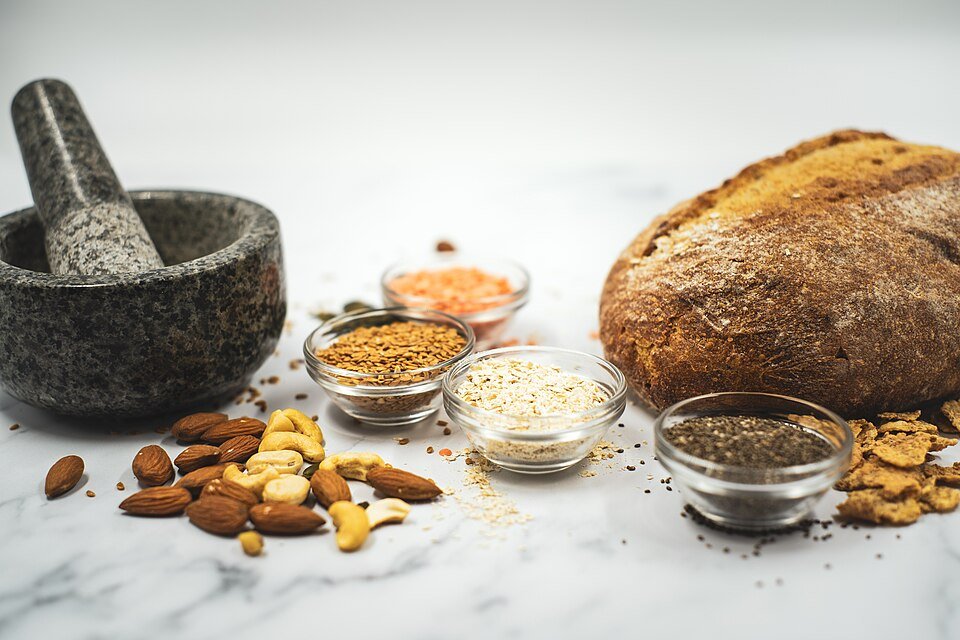
- Chia seeds: When soaked, they form a gel that lubricates the intestines.
- Oats: Rich in beta-glucan, which supports regular, soft stools.
- Cooked vegetables: Cooking breaks down tough plant cell walls. Opt for carrots, zucchini, and green beans. These are much gentler than raw veggies.
Go Slow and Stay Hydrated
One of the biggest mistakes people make is a sudden fibre spike. If your current diet is low in fibre, jumping to high-fibre cereals or raw kale salads will almost certainly cause severe bloating and cramping.
How to increase fibre safely:
1. Gradual increase: Add one serving of soluble fibre (e.g., 1 tbsp of chia seeds or ½ cup of cooked carrots) every 3 days.
2. Hydration is mandatory: Fibre acts like a sponge. Without water, it clumps up and causes constipation. Drink at least 8 to 10 glasses of water daily when increasing fibre.
Pro tip: If you feel bloated 24 hours after increasing fibre, you likely increased too fast or didn’t drink enough water.
When Digestive Troubles Persist: Reduce Insoluble Fibre
For some people, especially those with IBS, gastroparesis, or post-infectious gut issues, insoluble fibre does more harm than good.
Signs you need to reduce insoluble fibre:
- You feel full after just a few bites of salad.
- You experience sharp gas pains after eating raw vegetables.
- Your stool is loose but still difficult to pass.
Foods to temporarily reduce or avoid:
Raw salads (lettuce, spinach, kale)
Raw vegetables (broccoli, cauliflower, bell peppers)
Too many nuts and seeds (especially with hard shells)
Instead, switch to the cooked soluble fibre list above. You can often tolerate small amounts of nut butters (smooth) better than whole nuts.
If you want a regular bowel movement without the bloat follow this 7-day starter plan:
- Breakfast: ½ cup rolled oats cooked with water or milk + 1 tbsp chia seeds (soaked).
- Lunch: Cooked carrots and zucchini with a small portion of white rice or quinoa.
- Dinner: Baked or steamed green beans with a lean protein.
- Hydration: 2 liters of water throughout the day.
- Avoid: Raw salads, high-fibre bars with inulin, and dry nuts.
While adjusting fibre types helps most people, chronic constipation or diarrhea lasting more than two weeks warrants medical investigation.
Fibre is essential for bowel movements—but only when you choose the right type. Prioritize soluble fibre (chia, oats, cooked veggies). Increase it slowly. Drink water.
Your gut needs the right kind of gentle lubrication.